





Fiber optic cable TV uses light signals that travel through thin glass fibers to deliver tv content to your home with remarkable speed and clarity. You benefit from a system where digital signals convert into light pulses, moving rapidly from the provider directly to your living room. This advanced process gives you a clearer picture, access to more channels, and an enhanced HDTV experience. Many consumers choose fiber tv for its superior bandwidth, strong security, and future-proof technology, especially as demand for high-speed services continues to grow worldwide.
Key Takeaways
- Fiber optic cable TV uses light signals to deliver high-speed, high-quality content directly to your home.
- This technology offers superior bandwidth, allowing for more channels and faster streaming without interruptions.
- Fiber optic cables maintain signal integrity over long distances, ensuring clear picture and sound quality.
- The system is highly reliable, with an average uptime of 99.9%, making it less prone to outages during storms or power surges.
- Upgrading to fiber optic TV not only enhances your viewing experience but also provides future-proof technology for evolving entertainment needs.
How Fiber TV Works
Signal Transmission Process
You experience fiber tv as a seamless flow of high-quality channels and on-demand content, but the process behind it involves advanced engineering. The journey begins when your fiber tv provider encodes digital tv signals at their central facility. These signals convert into pulses of light using lasers or LEDs. The light pulses travel through fiber optic cables, which consist of ultra-thin strands of glass. These cables carry the light signals over long distances with almost no loss in quality.
When the light signals reach your neighborhood, a local distribution hub receives and decodes them. The system then routes the signals through a network of fiber optic cable directly to your home. At your residence, a receiver or set-top box converts the light pulses back into digital tv signals, which your television displays as crisp images and clear sound.
Tip: Fiber optic technology enables interactive features like on-demand tv and live streaming. You can watch your favorite shows whenever you want, with no buffering or lag.
Comparison: Fiber Optic vs. Copper Cable TV
|
Feature |
Fiber Optic |
Copper Cable |
|---|---|---|
|
Signal Type |
Light signals |
Electrical signals |
|
Interference |
Immune to EMI and RFI |
Susceptible to EMI and RFI |
|
Bandwidth |
Higher bandwidth |
Lower bandwidth |
|
Distance Capability |
Longer distances without loss |
Shorter distances with loss |
Fiber optic cables transmit data using light, making them immune to electromagnetic and radio frequency interference. Copper cables, which use electrical signals, often suffer from signal degradation due to interference from nearby electronics. This difference ensures that you receive a more reliable and consistent tv experience with fiber tv.
Speed and Bandwidth Advantages
Fiber tv stands out for its unmatched speed and bandwidth. Fiber optic cable can deliver several terabits per second, while traditional coaxial cable maxes out at about 1 Gbps. This massive difference means you enjoy ultra-fast channel changes, instant access to on-demand content, and flawless high-definition streaming.
|
Cable Type |
Maximum Bandwidth |
Speed Characteristics |
|---|---|---|
|
Coaxial Cable |
Up to 1 Gbps |
Performance decreases with distance and interference. |
|
Fiber Optic Cable |
Several terabits per second |
Ultra-fast speeds with minimal signal loss over long distances. |
Fiber tv also delivers extremely low latency, which is crucial for interactive services and live events. The following chart shows how fiber optic cable tv compares to satellite and traditional cable tv in terms of latency:
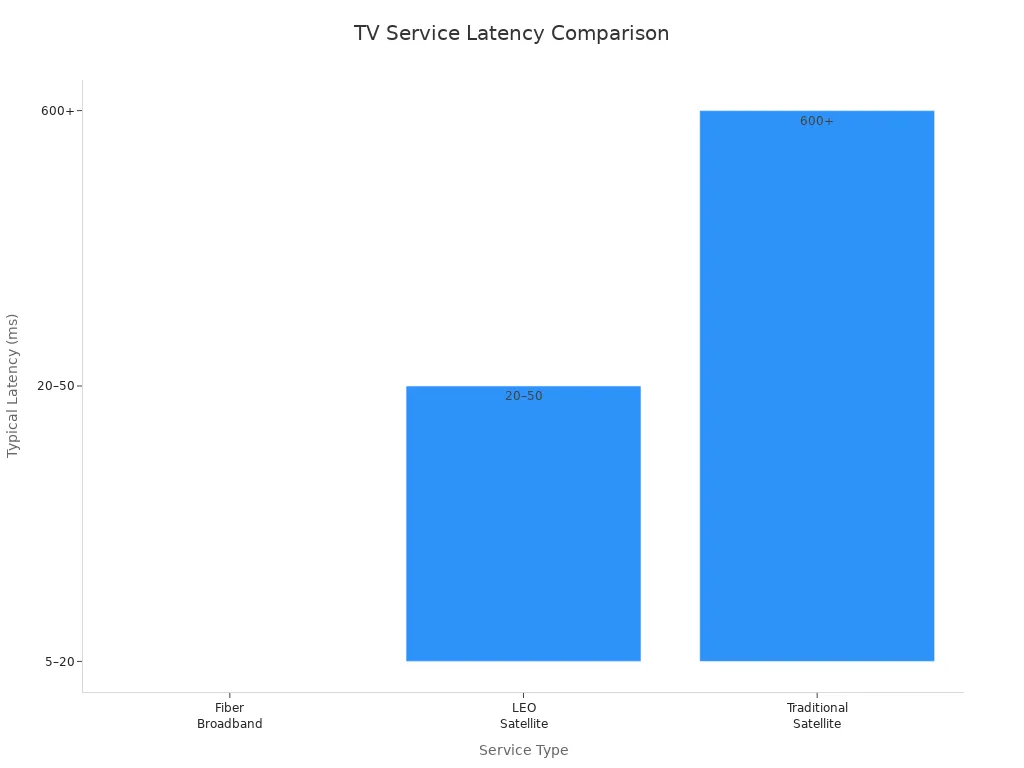
- Fiber optic cable tv: 5–20 ms latency
- LEO satellite tv: 20–50 ms latency
- Traditional satellite tv: 600+ ms latency
With fiber tv, you get higher bandwidth, which allows you to stream high-definition content, participate in video calls, and use multiple devices at once without interruptions. You can watch more channels, enjoy enhanced HDTV quality, and experience fewer delays compared to traditional cable tv.
Recent advancements in fiber optic cable have pushed the boundaries even further. Providers now use innovative fiber designs and advanced optics to double data rates every five years. Some networks have achieved record speeds of over 22 petabits per second on a single fiber, making fiber tv the most future-proof choice for home entertainment.
Note: The strength and durability of fiber optic cables also mean fewer outages and less maintenance, so you can rely on your tv service even during storms or power surges.
Fiber Optic Cable Components
Core and Cladding
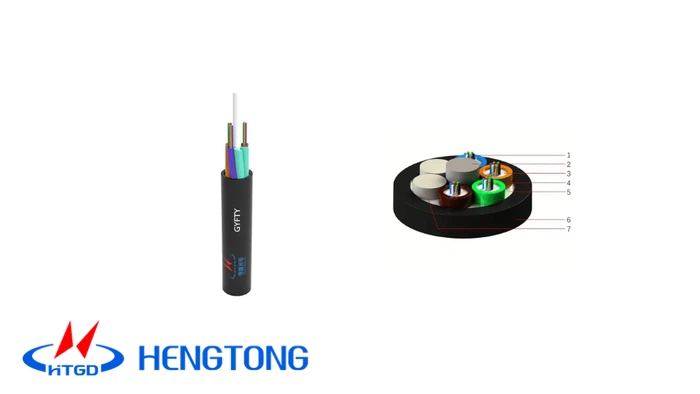
When you look inside a fiber optic cable, you find a precise structure designed for efficient TV signal delivery. The core sits at the center and acts as the pathway for light signals. This core, made from high-quality glass or plastic, transports the light pulses that carry your TV content. Surrounding the core, the cladding forms a protective layer with a lower refractive index. This difference in refractive index is not just a technical detail-it is essential for keeping the light signals inside the core, preventing them from escaping and losing strength.
Here is a breakdown of the main components and their functions:
|
Component |
Function |
|---|---|
|
Core |
Transports light signals from the light source to the receiving device. |
|
Cladding |
Surrounds the core, containing the light with a lower refractive index. |
|
Coating |
Protects the core from damage due to shocks, nicks, scratches, and dampness. |
|
Strengthening fibers |
Provides mechanical strength to prevent stretching or breaking under tension. |
|
Cable jacket |
Protects the fiber from environmental damage and outside forces. |
You benefit from this layered design because it ensures your fiber tv service remains reliable and high-performing, even in challenging environments.
optical fiber cable uses
The magic behind fiber optic cables lies in total internal reflection. When light pulses travel through the core, they hit the boundary with the cladding at a steep angle. Because the cladding has a lower refractive index, the light reflects back into the core instead of escaping. This process repeats along the length of the cable, allowing the signal to travel miles with almost no loss.
Total internal reflection means you get high-speed, high-quality TV signals delivered straight to your home. Unlike copper cables, which lose signal strength over distance, fiber optic cables maintain data integrity. This structure supports the demands of modern entertainment, giving you crisp images, clear sound, and access to more channels. You also gain from the cable's durability and resistance to interference, which translates to fewer outages and a longer lifespan for your TV service.
Tip: The advanced structure of fiber optic cable not only boosts performance but also reduces environmental impact by requiring less energy and generating less electronic waste over time.
How Fiber Optic Cables Work

Light Signal Conversion
You might wonder how fiber tv delivers such a clear and reliable signal to your home. The answer lies in how fiber optic cables work to convert digital tv signals into light pulses. At the provider's central facility, transmitters take digital data-essentially a stream of binary code-and transform it into rapid flashes of light. These flashes travel through the core of each fiber optic cable, which consists of ultra-thin glass strands designed for efficient light transmission.
- Fiber optic cables use transmitters to convert digital tv signals into light pulses.
- The light pulses move through the fiber core at incredible speed, carrying your tv content with minimal delay.
- Receivers at the other end decode the light pulses back into digital data, which your set-top box then processes for your tv.
This process ensures that you receive high-definition channels, on-demand content, and interactive features without lag. Fiber optic connections also support high-speed broadband internet, so you can stream, game, and browse with ease.
Data Integrity Over Distance
You benefit from fiber optic cables because they maintain data quality over long distances, unlike traditional copper cables. The unique design of fiber optic cable keeps your tv signal strong, even if you live far from the provider's hub. Here's a comparison to help you understand why:
|
Feature |
Fiber Optic Cables |
Copper Cables |
|---|---|---|
|
Signal Integrity |
Maintains strong signal integrity over long distances |
Prone to signal loss over long distances |
|
Electromagnetic Interference |
Immune to EMI, RFI, and electrical storms |
Susceptible to EMI and RFI |
|
Environmental Resilience |
Performs well in extreme temperatures, moisture, and chemicals |
Less resilient to environmental factors |
You get reliable tv service because fiber optic cables transmit data using light, which is not affected by electromagnetic interference. This makes fiber tv ideal for homes in busy neighborhoods or areas with lots of electrical equipment. Cable companies use fiber optics to distribute signals from their local centers to neighborhood nodes. In most modern networks, a hybrid fiber-coax approach converts optical signals into electronic format for delivery to your home. Your set-top box then ensures compatibility with your existing tv and entertainment system.
Tip: If you want to connect your home theater, simply use a fiber optic HDMI cable. Plug one end into your source device and the other into your tv or projector. This setup gives you higher bandwidth, longer cable lengths, and better resistance to interference.
When you choose fiber tv, you invest in a system built for speed, reliability, and future growth. You enjoy more channels, better picture quality, and fewer interruptions-making fiber optic cable the smart choice for modern entertainment.
Benefits of Fiber TV

Picture and Sound Quality
When you switch to fiber tv, you notice a dramatic improvement in both picture and sound quality. Fiber optic cables transmit signals using light, which means you receive high-definition visuals and crystal-clear audio without interference. You enjoy vibrant colors, sharper images, and immersive surround sound, even during peak viewing hours. Fiber tv programming delivers more channels in HD and 4K, so you can watch sports, movies, and live events with stunning clarity.
Consider how fiber optic cable outperforms traditional cable television. Regular cables often suffer from signal degradation, especially over long distances or during bad weather. Fiber optic cables maintain signal integrity, so you never experience fuzzy images or audio dropouts. You can stream multiple shows at once, play online games, and join video calls-all without sacrificing quality.
|
Feature |
Explanation |
|---|---|
|
No signal loss |
Fiber optic cables maintain signal integrity over long distances, ensuring high-quality transmission. |
|
No interference |
They are immune to electromagnetic and radio-frequency interference, enhancing reliability. |
|
Longer distance |
Capable of transmitting signals over 100 feet without performance drop, unlike regular cables. |
|
High bandwidth |
Supports high-definition video and audio simultaneously, providing clear visuals and sound. |
Tip: You can upgrade your home theater setup with fiber tv for a truly cinematic experience.
Reliability and User Experience
Fiber tv sets a new standard for reliability. You benefit from a service that rarely goes down, even during storms or power surges. Fiber optic cable tv boasts an average uptime of 99.9%, compared to 98.5% for traditional cable television. You spend less time troubleshooting and more time enjoying your favorite tv shows.
|
Service Type |
Uptime Percentage |
|---|---|
|
Fiber Optic TV |
99.9% |
|
Traditional Cable TV |
98.5% |
You also experience a smoother installation process. Technicians install fiber optic cable quickly and efficiently, and you rarely need amplifiers or extra equipment. Everyday use feels effortless. You can access on-demand content, switch channels instantly, and connect multiple devices without lag.
|
Feature |
Fiber Optic Cable TV |
Other Methods (Coaxial/Satellite) |
|---|---|---|
|
Throughput |
Higher throughput, capable of carrying more data |
Lower throughput, limited data capacity |
|
Image Quality |
Superior image quality, resistant to interference |
Prone to signal degradation |
|
Long-Distance Transmission |
Effective over long distances without quality loss |
Requires amplifiers for long distances |
|
Future-Proofing |
Easily upgradeable for higher speeds and bandwidth |
More challenging to upgrade |
You save money over time because fiber tv requires less maintenance. While installation costs may be higher, you benefit from lower operational expenses and fewer service interruptions. Fiber optic cables resist temperature changes and moisture, so your tv service stays reliable in any weather.
- Fiber optic cables are made of glass or plastic, which are not affected by temperature fluctuations.
- They maintain signal integrity regardless of weather conditions.
- Regular maintenance and proper installation are crucial for ensuring reliability.
Note: Fiber tv gives you peace of mind, knowing your entertainment will not be interrupted by storms or technical issues.
You see how fiber optic cable TV uses light signals traveling through a core and cladding structure to deliver high-speed, reliable tv service. This advanced design ensures minimal signal loss, immunity to interference, and strong security. You benefit from superior speed, picture quality, and uptime. Consider fiber tv for your home entertainment needs. Ask providers about installation, bandwidth, and long-term reliability. Review the table below for a quick summary of fiber optic cable advantages:
|
Feature |
Benefit |
|---|---|
|
High bandwidth |
More channels, faster streaming |
|
Low attenuation |
Clear signal over long distances |
|
Security |
Difficult to tap or intercept |
Leading industry sources and recent data confirm the strength and durability of fiber optic cable. You make a smart choice by upgrading to fiber tv.
FAQ
Why does fiber optic cable TV offer better signal quality than traditional cable?
Fiber optic cable TV uses light signals that travel through glass fibers. You receive a signal that resists interference and maintains clarity over long distances. Copper cables lose strength and suffer from electromagnetic noise, which reduces picture and sound quality.
Why should you choose fiber optic cable TV for your home?
You gain higher bandwidth, faster speeds, and more reliable service. Fiber optic cables deliver HDTV and 4K content with minimal lag. Industry data shows fiber networks achieve 99.9% uptime, so you enjoy uninterrupted entertainment and future-proof technology.
Why is fiber optic cable TV installation considered more durable?
Fiber optic cables use high-strength glass or plastic. These materials resist temperature changes, moisture, and physical stress. You benefit from fewer outages and lower maintenance costs. Providers report fiber cables last over 25 years with proper installation.
Why does fiber optic cable TV cost more upfront?
You pay more for advanced materials and specialized installation. However, you save money long-term due to lower maintenance and fewer repairs. Fiber optic networks support upgrades, so you avoid frequent replacements and enjoy lasting value.
Why do gamers and streamers prefer fiber optic cable TV?
You experience ultra-low latency and high bandwidth. Fiber optic cable TV supports fast data transfer, which reduces lag during gaming and streaming. You can connect multiple devices without sacrificing speed or quality.