






You experience fiber optic cable internet as data traveling at incredible speeds through thin glass fibers using pulses of light. Unlike copper fiber optic cables, which rely on slower-moving electrons, fiber optic internet harnesses photons that move nearly at the speed of light. This unique method delivers high bandwidth, minimal signal loss, and strong resistance to interference. Imagine sending information across town as quickly as shining a flashlight-fiber makes your streaming, gaming, and remote work smoother and more reliable.
Key Takeaways
- Fiber optic internet uses light signals to transmit data, allowing for incredibly fast speeds and minimal signal loss.
- The structure of fiber optic cables includes a core, cladding, and jacket, each playing a crucial role in maintaining signal quality and durability.
- Compared to copper fiber optic cables, fiber optic cables offer higher speeds, lower latency, and greater resistance to environmental interference.
- Fiber internet supports multiple devices simultaneously without slowing down, making it ideal for streaming, gaming, and remote work.
- Investing in fiber optic internet prepares your home for future technologies, ensuring reliable connectivity as digital demands grow.
What is Fiber Optic Cable Internet?
Fiber optic cable internet delivers high-speed connectivity by transmitting data as light signals through specialized fiber optic cables. You benefit from this technology because it forms the backbone of modern fiber optic networks, supporting rapid and reliable communication across vast distances.

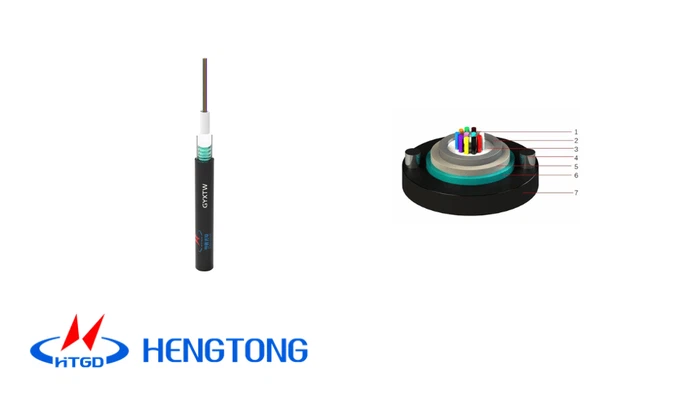
Fiber Optic Cable Structure
You encounter three main layers in fiber optic cables, each designed for optimal data transmission:
|
Material |
Role in Data Transmission Efficiency |
|---|---|
|
Core |
Made from optically transparent glass or plastic with a high refractive index, affecting light propagation and signal attenuation. |
|
Cladding |
Slim coating that reflects light back into the core, preventing loss and reducing signal degradation. |
|
Jacket |
Protects the fiber from environmental damage, enhancing durability and reliability. |
- The core's size and composition directly influence how light travels and how much data you can send.
- The cladding's refractive index keeps light signals inside the core, minimizing loss.
- The jacket shields the fiber optic cable from physical harm, ensuring your fiber optic network stays reliable.
This structure allows fiber optic internet to maintain strong performance even in challenging environments. You experience fewer interruptions and faster speeds because the fiber optic cable design prevents signal loss and environmental damage.
How It Differs from Copper Cables
You notice significant differences between fiber optic cables and traditional copper fiber optic cables. Fiber optic cable internet uses light signals, while copper cables rely on electrical signals. This distinction leads to several advantages for your fiber optic network:
|
Feature |
Fiber Optic Cables |
Copper Cables |
|---|---|---|
|
Signal Transmission |
Uses light signals reflected within the core |
Uses electrical signals prone to degradation |
|
Signal Loss |
Minimal signal loss due to reflection |
High signal loss over distance |
|
Speed |
Extremely high-speed data transmission |
Limited speed over longer distances |
|
Environmental Resistance |
Immune to temperature and EMI |
Susceptible to degradation from EMI |
Fiber optic internet experiences only about 3% signal loss every 100 meters, while copper cables can lose up to 90% over the same distance. You gain access to speeds up to 60 terabits per second with fiber, compared to copper's limit of about 10 gigabits per second. Fiber optic cables also resist electromagnetic interference, making your connection more reliable in noisy environments.
Tip: If you need consistent, high-speed internet for streaming, gaming, or remote work, fiber optic cable internet offers superior performance and reliability compared to copper-based options.
How Fiber Internet Works

Understanding how fiber internet works helps you appreciate the technology that powers your high-speed connection. This process involves converting digital data into light, transmitting it through glass fibers, and then converting it back into usable information at your destination. Each step uses advanced materials and precise engineering to ensure fast, reliable data transfer.
Data as Light Pulses
You start your journey with fiber internet when your device sends out digital data. The system must convert this data into a form that can travel through the fiber optic cables. At the transmitting end, a device called a transceiver uses either a laser diode or an LED to turn electrical signals into light pulses. These light pulses represent the binary 1s and 0s of your digital information.
- The transmitter converts electrical impulses into light signals.
- Laser diodes create highly focused, monochromatic light for long-distance, high-bandwidth communication.
- LEDs emit broad-spectrum light, which works well for short distances and lower bandwidth needs.
|
Light Source Type |
Characteristics |
Applications |
|---|---|---|
|
LED |
Broad-spectrum, cost-effective, durable |
Short-distance, lower-bandwidth, industrial uses |
|
Laser Diode |
Coherent, monochromatic, narrow spectral width |
Long-distance, high-bandwidth, telecom backbones |
The choice between LEDs and lasers depends on your specific fiber internet application. For most home and business connections, laser diodes provide the speed and reliability you expect from fiber optic internet.
Think of this process like sending Morse code with a flashlight. The transmitter blinks the light on and off in a pattern that represents your data, but at speeds far beyond what the human eye can detect.
Transmission in Glass Fibers
Once converted into light, your data travels through the core of the fiber optic cable. The core consists of ultra-pure glass, surrounded by a layer called cladding. The cladding has a lower refractive index than the core, which keeps the light signals bouncing inside the core through a process called total internal reflection. This mechanism allows light to travel long distances with minimal loss.
- Optical fibers use total internal reflection to confine light within the core.
- The cladding prevents light from escaping, ensuring efficient data transfer.
- Fiber optics exhibit much lower attenuation rates than copper wires, making them ideal for long-distance communication.
|
Material |
Function |
Strength & Durability |
|---|---|---|
|
Glass Core |
Guides light pulses for data transfer |
High tensile strength, resists stretching |
|
Cladding |
Maintains total internal reflection |
Protects core, adds flexibility |
|
Protective Jacket |
Shields against moisture, chemicals, and impact |
Enhances durability in harsh environments |
You benefit from this design because fiber internet maintains signal quality over miles, while copper cables lose much of their signal strength after just a few hundred feet. The glass fibers used in fiber optic cable internet can withstand significant tension and environmental stress, making them both strong and reliable.
Light pulses in fiber internet travel at nearly 186,000 miles per second-the speed of light in a vacuum. This speed ensures rapid data transfer, even across continents.
Conversion Back to Usable Data
When the light pulses reach their destination, the system must convert them back into electrical signals that your devices can understand. At the receiving end, a photodiode or avalanche photodiode detects the incoming light. This device transforms the light pulses into electrical signals, which your computer, router, or other devices then process as usable data.
- The receiver uses a photodetector or photodiode to convert light back into electrical signals.
- This conversion happens almost instantly, minimizing latency and ensuring fast response times.
- The rapid conversion process is a key reason why fiber internet offers lower latency compared to traditional copper connections.
When you request a website or stream a video, your device sends an electrical signal that becomes light, races through the fiber, and then turns back into data you can use-all in a fraction of a second.
This seamless process explains how fiber internet works and why it delivers such impressive speed and reliability. The combination of advanced materials, precise engineering, and efficient data transfer makes fiber optic internet the gold standard for modern connectivity.
Fiber Optic Internet Advantages
Speed and Bandwidth
You experience unmatched speed and bandwidth when you choose fiber internet. This technology supports download speeds up to 10,000 Mbps and upload speeds that match, far exceeding what fiber optic cable or DSL can deliver. The following table highlights the differences:
|
Internet Type |
Maximum Download Speed |
Maximum Upload Speed |
|---|---|---|
|
Fiber Optic |
Up to 10,000 Mbps |
Up to 10,000 Mbps |
|
Cable |
Up to 940 Mbps |
Up to 50 Mbps |
|
DSL |
Up to 100 Mbps |
Up to 20 Mbps |
Fiber optic cable internet allows you to stream 4K videos, download large files, and join video conferences without lag. The superior bandwidth of a fiber optic network means you can connect multiple devices at once without slowdowns. You benefit from consistent, high-speed performance, even during peak usage times.
Note: Fiber optic technology transmits vast amounts of data over long distances without losing quality or speed. This makes it ideal for high-demand activities like streaming, gaming, and remote work.
Reliability and Low Signal Loss
You gain exceptional reliability with fiber internet. The fiber optic network resists weather disruptions and electromagnetic interference. Unlike cable or DSL, fiber optic cables use light instead of electricity, so storms and moisture rarely affect your connection. You enjoy stable performance, even in harsh conditions.
- Fiber optic internet remains highly resilient to weather disruptions due to underground installation and light-based data transmission.
- Cable and DSL connections often slow down or drop during storms or heavy usage.
- Fiber internet maintains low signal loss, ensuring your download speeds stay fast and consistent.
Your fiber optic network delivers reliable service for critical tasks, such as remote work or online classes, where interruptions can cause major problems.
Everyday Benefits
You notice the advantages of fiber internet in your daily life. Fast download speeds let you stream movies in ultra-high definition without buffering. Gamers experience low latency, with ping rates under 20 ms, which gives you a competitive edge in multiplayer games. Quick upload speeds help content creators and remote workers share large files or host live streams smoothly.
- Rapid game downloads and quick loading times
- Reliable video calls with minimal lag or freezing
- Multiple users can stream, game, and work online at the same time
|
Feature |
Fiber Optic Internet |
Cable/DSL Internet |
|---|---|---|
|
Speed |
Fastest speeds |
Slower speeds |
|
Latency |
Lowest latency |
Higher latency |
|
Bandwidth Capacity |
Nearly unlimited |
Limited capacity |
|
Performance during high usage |
Excellent |
Often slows down |
You enjoy a seamless online experience with fiber internet, whether you work from home, stream your favorite shows, or compete in online games. The fiber optic network supports your digital lifestyle with unmatched speed, reliability, and capacity.
Fiber Internet to Your Home
Last-Mile Connection
You rely on the last-mile connection to bring fiber internet directly to your home. This process involves several critical steps that ensure you receive high-speed service from your fiber internet provider. The provider starts by running a fiber optic cable from the nearest distribution point to your property. You see technicians install a demarcation point on your home's exterior, which serves as the entry for the fiber cable. Inside your home, the provider routes fiber cables to reach key areas. An Optical Network Terminal (ONT) is installed to convert light signals into electrical signals for your devices. The provider then tests and activates your fiber internet to confirm everything works as expected.
- Service Drop: The provider runs a fiber optic cable from the distribution hub to your home.
- Entry Point Installation: The cable connects to a demarcation point on your exterior wall.
- Inside Wiring: Fiber cables are routed to reach different rooms.
- ONT Installation: The provider installs an ONT to convert signals for your network.
- Testing and Activation: The provider ensures your fiber internet is fully operational.
You may encounter challenges during installation. Providers must negotiate land use with local governments and private owners. Variable terrain, such as lawns and driveways, requires careful planning. Each home presents unique obstacles, so providers develop custom solutions for running fiber indoors or through exterior walls. Urban areas often have crowded underground ducts, while rural builds require longer cable runs and face rugged terrain. Providers also deal with permitting, environmental factors, and make-ready costs, which can range from $500 to $5,000 per pole and $1,600 to $2,700 for rural buried runs.
Tip: Ask your fiber internet provider about installation timelines and any site-specific requirements. This helps you prepare for the process and ensures a smooth transition to fiber internet.
In-Home Setup
You benefit from a professional in-home setup when you choose fiber internet. The provider brings a fiber optic cable into your home, often using a clamshell housing to protect the junction between outdoor and indoor cables. The ONT converts light signals to electrical signals, allowing your devices to access the internet. A residential gateway distributes data throughout your home and creates your Wi-Fi network.
- Fiber Optic Cable: Delivers fiber internet from the provider to your home.
- Clamshell: Protects the junction point for cables.
- Optical Network Terminal (ONT): Converts light signals for your devices.
- Residential Gateway: Manages your home network and Wi-Fi.
Fiber internet setup differs from cable or . Providers must dig and bury conduit for fiber cables, which requires more time and expertise. The ONT is essential for converting fiber signals, while DSL uses existing phone lines and cable internet relies on coaxial cables and a modem. You receive a more robust and future-proof connection with fiber internet, but the installation process is more involved.
Note: Professional installation ensures your fiber internet performs at its best. You enjoy faster speeds, lower latency, and reliable connectivity for all your devices.
Fiber vs. Other Internet

Fiber vs. Cable
You often compare fiber optic internet and cable when choosing a high-performance connection. Fiber delivers data using light through glass fibers, while cable uses electrical signals over coaxial wires. This difference gives you a clear advantage in speed, latency, and reliability with fiber.
|
Internet Type |
Download Speed (Mbps) |
Upload Speed (Mbps) |
Latency |
Symmetrical Speeds |
Reliability Factors |
|---|---|---|---|---|---|
|
Fiber Optic |
250 - 1,000 |
250 - 1,000 |
Significantly lower |
Yes |
Resistant to interference and signal loss |
|
Cable |
10 - 500 |
5 - 50 |
Higher, causing delays |
No |
Shares bandwidth, dips during peak usage |
You notice that fiber provides much higher upload and download speeds. You also benefit from symmetrical speeds, which means uploads are just as fast as downloads. Cable internet often slows down during peak hours because you share bandwidth with neighbors. Fiber maintains consistent performance, even when many users go online at the same time.
When you look at costs, cable internet usually has a lower starting price, but fiber gives you better value per Mbps at higher speeds.
|
Service Type |
Monthly Price Range |
Value per Mbps |
|---|---|---|
|
Cable |
$9.99 - $110 |
$0.07 - $0.87 |
|
Fiber |
$30 - $299.95 |
$0.04 - $3.33 |
Tip: If you need reliable video calls, fast uploads, or lag-free gaming, fiber offers a clear edge over cable.
Fiber vs. DSL
You may also consider DSL, which uses copper phone lines. DSL offers wide availability, especially in rural areas, but it cannot match the speed or reliability of fiber optic internet.
|
Feature |
DSL |
Fiber Optic |
|---|---|---|
|
Speed |
Up to 100 Mbps |
Up to 1,000 Mbps+ |
|
Technology |
Copper phone lines |
Light via fiber |
|
Reliability |
Prone to interference |
Highly stable |
|
Upload Speeds |
Much slower |
Symmetrical |
|
Availability |
Widely available |
Expanding rapidly |
|
Future-proofing |
Outdated |
Designed for future |
You get much faster speeds and more stable connections with fiber. DSL often struggles with interference and slow uploads. Fiber supports modern needs, such as streaming, remote work, and smart home devices. However, DSL remains more common in rural areas because it uses existing infrastructure. Fiber's availability continues to grow, but high installation costs slow expansion in less populated regions.
- Fiber optic internet is less available in rural areas than DSL.
- Fiber offers much higher speeds and reliability.
- High installation costs limit rural fiber expansion.
Why Fiber is the Future
You see fiber optic internet leading the way for next-generation connectivity. Several trends point to fiber's dominance:
- New fiber technology will boost speed for applications like AR and VR.
- Expansion efforts will bring fiber to more rural and underserved areas.
- Fiber will support smart homes, IoT, and automation with unmatched reliability.
- Providers will focus on sustainability, as fiber uses less energy than copper.
- Advanced security features will protect your data as cyber threats evolve.
- The U.S. will invest $167 billion in fiber deployment from 2025 to 2029.
- Consumer preference for fiber is rising, with 65% of users choosing it over other options.
- More homes will connect to fiber each year, increasing adoption rates.
Note: As your digital needs grow, fiber optic internet will deliver the speed, reliability, and future-proof performance you require.
You gain a clear advantage with fiber optic cable internet because it delivers unmatched speed, reliability, and user satisfaction. Recent studies show 70% of users value reliability, while 64% highlight download speed. Satisfaction scores reach 75 for fiber, compared to 66 for other technologies.
Choose fiber to future-proof your home and enjoy seamless streaming, gaming, and work. The evolution of internet technology starts with your decision to upgrade.
|
User Benefit |
Percentage (%) |
|---|---|
|
Reliability |
70 |
|
Download Speed |
64 |
|
Comments on Speed/Reliability |
74 |
|
Fiber deemed best method |
65 |
|
Importance of Customer Service |
55 |
|
Internet Technology |
Average Satisfaction Score |
|---|---|
|
Fiber Internet |
75 |
|
Non-Fiber Internet |
66 |
FAQ
Why does fiber optic internet offer faster speeds than cable or DSL?
Fiber optic internet uses light signals that travel through glass fibers. You get faster speeds because light moves much quicker than electrical signals in copper wires. This technology supports higher bandwidth and lower latency.
Why should you choose fiber optic internet for remote work or streaming?
You benefit from fiber optic internet's reliability and speed. Streaming and remote work require stable connections. Fiber minimizes interruptions and buffering, so you experience smooth video calls and fast downloads.
Why is fiber optic internet more reliable in bad weather?
Fiber optic cables resist moisture and electromagnetic interference. You experience fewer outages during storms because fiber uses light, not electricity. Underground installation also protects your connection from environmental damage.
Why do fiber optic networks support more devices at once?
Fiber optic networks provide high bandwidth. You can connect many devices without slowdowns. The technology handles large amounts of data, so your family streams, games, and works online simultaneously.
Why is fiber optic internet considered future-proof?
Fiber optic internet supports new technologies and higher speeds. You prepare your home for smart devices, virtual reality, and automation. Providers continue to upgrade fiber networks, so your connection stays ahead of digital trends.