







Hengtong Hybrid Fiber Optic Cable
Hengtong Solution for Modern Infrastructure Connectivity and Power Transmission

Hybrid Fiber Optic Cable for Converged Connectivity
Hengtong Hybrid Fiber Optic Cable combines high-bandwidth optical fibers with copper elements in a single compact design, streamlining cabling for dense telecom rooms, campus networks and industrial sites. One route now supports ultra-low-loss optical transmission plus auxiliary services such as monitoring, control and legacy interfaces, reducing parallel cables, tray congestion and overall installation complexity.
Customization – Tuned to Your Network and Environment
Hengtong tailors each hybrid cable to your application mix: fiber type and count (G.652D, G.657 or mixed), number and size of copper cores, cable structure (tight-buffer, loose-tube, micro-module) and jacket options for indoor, outdoor, LSZH or UV-resistant use. Optional armoring, rodent protection and clear labeling help ensure the cable fits existing routes, survives harsh conditions and stays easy to manage over its lifetime.
Certification – Assured Quality and Documented Performance
Hybrid fiber optic cables from Hengtong are designed and tested according to relevant IEC/ITU optical and mechanical standards, as well as regional flame and smoke regulations for critical buildings and infrastructure. Factory test reports and complete technical documentation support bidding, design approval and acceptance, giving operators confidence in both performance and long-term reliability.
Hengtong Hybrid Fiber Optic Cable Products

Hengtong Hybrid Optical Fiber Cable OS2 G.654E 8 Core with 2×4 mm² Power, Outdoor SWA for Long-Distance Poles

Hengtong Hybrid Fiber Optic Cable OS2 G.657A1 4 Core with 2×1.5 mm² Power, Direct-Burial CST

Hengtong Hybrid Fiber & Control Cable OS2 12 Core with 12×0.75 mm² Control Pairs, LSZH for Industrial

Hengtong Hybrid Underwater-Ready Fiber Cable OS2 6 Core with 2×2.5 mm² Tinned Power, LSZH Marine

Hengtong Hybrid Fiber Optic Cable OS2 24 Core with 4×2.5 mm² Power, Outdoor Aerial Self-Support

Hengtong Hybrid Fiber Cable OM3 8 Core with 2×1.0 mm² Power, Plenum/OFNP Indoor

Hengtong Hybrid Fiber Optic Cable OS2 G.657A2 12 Core with 2×2.5 mm² Power, Outdoor Armored for CCTV

Hengtong Hybrid Fiber Optic Cable OS2 G.652D 24 Core MPO Trunk with 4×1.5 mm² Power, LSZH Indoor

Hengtong Hybrid Fiber Cable OM4 12 Core with Cat6 PoE++, LSZH Indoor for Wi-Fi AP
Understanding Hybrid Fiber Optic Cable Technology

A hybrid fiber optic cable combines multiple transmission mediums within a unified protective jacket, typically featuring optical fibers for high-speed data transmission alongside copper conductors for power delivery. This composite design represents a paradigm shift in network architecture, enabling simultaneous transmission of data and electrical power through a single cable run.
The optical fibers provide virtually unlimited bandwidth capacity with immunity to electromagnetic interference, while copper conductors deliver reliable power to remote devices and equipment.
Modern hybrid fiber optic cable designs incorporate advanced materials and engineering principles to ensure optimal performance across diverse deployment scenarios.
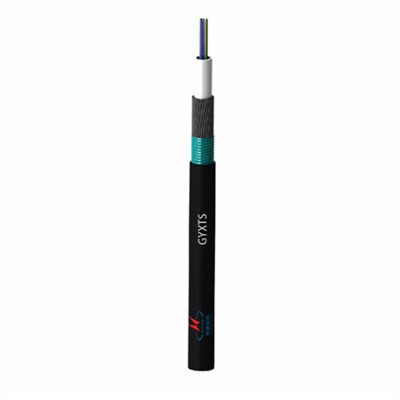
Optical Fiber Components
The optical fiber components utilize either single-mode or multimode configurations, depending on transmission distance requirements and bandwidth specifications.
- Single-mode fibers: Excel in long-distance applications, supporting transmission ranges exceeding several kilometers with minimal signal attenuation.
- Multimode fibers: Serve short to medium-range deployments, offering cost-effective solutions for enterprise campuses and data centers.
Copper Conductor Elements
The copper conductor elements within hybrid fiber optic cable assemblies range from 12 AWG to 22 AWG, providing flexible power delivery options based on application requirements.
- Support various voltage classifications, including Class 2 low-voltage applications
- Higher-power configurations available for demanding industrial equipment
- Integration maintains performance characteristics modern networks demand

Comprehensive Application Scenarios
Telecommunications Infrastructure
Telecommunications providers deploy hybrid fiber optic cable solutions extensively throughout their network architectures, particularly for fiber-to-the-home (FTTH) and fiber-to-the-premises (FTTP) applications. These cables enable service providers to extend fiber connectivity directly to customer locations while simultaneously powering optical network terminals (ONTs) and related equipment.
Metropolitan area networks benefit significantly from hybrid fiber optic cable deployments, where the technology supports dense urban environments with limited conduit space. Service providers can consolidate multiple cable runs into single pathways, reducing infrastructure costs and accelerating deployment timelines.

FTTH and FTTP deployments
5G small cell connectivity
Metropolitan area networks
Remote antenna powering
Central office to node connections
The ability to deliver both high-speed data services and remote power through one cable facilitates rapid network expansion and enables advanced services including gigabit internet, IPTV, and VoIP communications.
Enterprise Networks and Smart Buildings

Modern enterprise facilities increasingly adopt hybrid fiber optic cable solutions to support converged network architectures that integrate data, voice, and building automation systems. These cables provide the backbone infrastructure for wireless access point deployments, enabling organizations to extend Wi-Fi coverage throughout large campuses without requiring dedicated electrical outlets at every mounting location.
The hybrid fiber optic cable delivers both network connectivity and Power over Ethernet (PoE) equivalent functionality, supporting PoE, PoE+, and PoE++ standards for diverse device requirements.
Wireless access point deployment
HVAC and lighting controls
Security system integration
Energy monitoring systems
Occupancy and environmental sensors
Smart building applications leverage hybrid fiber optic cable technology to interconnect distributed sensors, controllers, and monitoring equipment across expansive facility footprints. The extended reach capabilities of hybrid fiber optic cable, often exceeding 2,000 feet, enable centralized equipment placement while supporting remote device locations that traditional copper cabling cannot reliably serve.
Security and Surveillance Systems
Video surveillance deployments represent one of the most demanding applications for hybrid fiber optic cable technology. Modern IP cameras require both high-bandwidth network connectivity for transmitting high-definition video streams and reliable electrical power for continuous operation.
The hybrid fiber optic cable addresses both requirements simultaneously, enabling security professionals to deploy cameras in remote locations such as parking structures, perimeter fencing, and campus outdoor areas without installing dedicated electrical circuits.

The fiber optic components within these cables provide the bandwidth capacity necessary for 4K and even 8K video resolution surveillance systems, ensuring clear image quality for security monitoring and forensic analysis. Unlike traditional copper-based systems, hybrid fiber optic cable installations remain immune to electromagnetic interference from nearby electrical equipment, maintaining signal integrity even in electrically noisy industrial environments.
Industrial Automation and Control

Manufacturing facilities and process industries deploy hybrid fiber optic cable solutions to interconnect programmable logic controllers (PLCs), distributed control systems (DCS), and supervisory control and data acquisition (SCADA) systems across expansive production environments. These cables support the real-time communication requirements of industrial automation while simultaneously powering remote I/O modules, sensors, and control devices.
The ruggedized construction of industrial-grade hybrid fiber optic cable withstands harsh environmental conditions including temperature extremes, chemical exposure, and mechanical stress.
PLC and DCS interconnections
SCADA system communications
Remote sensor networking
Oil and gas operations
Renewable energy installations
Oil and gas operations, mining facilities, and renewable energy installations benefit from the extended reach capabilities and environmental resilience of hybrid fiber optic cable technology. These industries frequently require network connectivity and power delivery to remote equipment locations where traditional infrastructure proves impractical or prohibitively expensive.
Transportation and Public Infrastructure
Rail transportation systems extensively utilize hybrid fiber optic cable for train control systems, passenger information displays, and platform security cameras. The cables provide reliable connectivity between wayside equipment and central control facilities while powering remote devices along extensive route networks. Transit authorities appreciate the simplified installation and reduced maintenance requirements compared to traditional separate cable systems.
Highway intelligent transportation systems deploy hybrid fiber optic cable to support traffic monitoring cameras, variable message signs, and environmental sensors across expansive road networks. The technology enables transportation departments to monitor traffic conditions, detect incidents, and communicate real-time information to motorists through a unified infrastructure platform. The environmental durability of outdoor-rated hybrid fiber optic cable ensures reliable operation through diverse weather conditions and temperature variations.

Key Advantages and Competitive Differentiation

Streamlined Installation
Traditional network deployments require separate cable pulls for data and power, doubling labor requirements. Hybrid cables consolidate these into a single pull, reducing labor costs by up to fifty percent.
- Fewer specialized tools required
- Simplified pathway planning
- Reduced material costs

Enhanced Network Reach
Hybrid fiber optic cable extends network reach far beyond traditional copper limitations, supporting distances exceeding 2,000 feet for both data and power delivery.
- Eliminates need for signal regeneration
- Enables remote device deployment
- Flexible network design possibilities

Superior Performance
Fiber optic technology delivers virtually unlimited bandwidth capacity, ensuring installations remain relevant as network demands continue escalating.
- Immunity to electromagnetic interference
- Future-proof infrastructure investment
- Consistent performance in harsh environments

Environmental Resilience
Industrial-grade hybrid cables incorporate robust protective jackets designed to withstand harsh environmental conditions that would degrade conventional cabling.
- UV-resistant for outdoor installations
- Resistance to chemical exposure
- Wide temperature operating range

Simplified Power Distribution
Centralized power distribution simplifies system architecture while improving reliability and reducing operational costs compared to distributed power systems.
- Enables UPS protection for entire network
- Streamlines energy monitoring
- Supports remote power management

Cost Efficiency
While initial material costs may be higher, the total cost of ownership is significantly lower due to reduced installation and maintenance expenses.
- Faster return on investment
- Reduced maintenance requirements
- Longer service life than traditional cables
Addressing Critical Industry Pain Points

The High Cost of Traditional Infrastructure
Organizations deploying conventional network infrastructure face substantial costs associated with separate cable installations for data and power. Licensed electricians must install dedicated electrical circuits to each device location, requiring conduit, wire, circuit breakers, and junction boxes.
The hybrid fiber optic cable directly addresses this pain point by consolidating both functions into a single installation. Organizations eliminate the need for distributed electrical outlets, significantly reducing electrical installation costs and the associated permitting requirements.
Limited Pathway Capacity in Existing Buildings
Retrofit projects in existing facilities frequently encounter severe pathway congestion, with cable trays, conduits, and ceiling spaces already filled to capacity with legacy cabling. Adding new network infrastructure requires difficult decisions about removing existing cables or investing in expanded pathway systems.
The hybrid fiber optic cable mitigates this challenge by reducing the physical cable volume required for new installations. A single hybrid fiber optic cable replaces multiple separate cables, freeing precious pathway space while still expanding network capabilities.

Network Performance and Reliability Challenges
Copper-based network infrastructure faces increasing challenges delivering consistent performance as data rate requirements continue escalating. Higher frequencies required for multi-gigabit transmission increase susceptibility to electromagnetic interference, alien crosstalk between adjacent cables, and signal attenuation over distance.
The hybrid fiber optic cable eliminates these performance concerns through optical fiber's inherent advantages. Fiber transmission remains immune to electromagnetic interference, maintains signal integrity across extended distances, and supports virtually unlimited bandwidth scaling.
Compliance and Safety Considerations
Electrical code compliance represents a significant concern for facility managers, particularly regarding power distribution to remote devices. Traditional approaches requiring distributed electrical outlets must meet stringent code requirements for conductor sizing, overcurrent protection, and installation methods.
The hybrid fiber optic cable technology addresses many compliance concerns through low-voltage power distribution methodologies. Many hybrid fiber optic cable designs operate within Class 2 or Class 3 power-limited circuit classifications, significantly simplifying code compliance requirements compared to traditional branch circuit wiring.


Maintenance and Troubleshooting Complexity
Networks built with separate cabling systems for data and power create troubleshooting challenges when connectivity or device power issues arise. Technicians must methodically isolate whether problems originate from network connectivity failures, power distribution issues, or device malfunctions.
The unified nature of hybrid fiber optic cable installations streamlines troubleshooting and maintenance activities. Both data and power follow a single cable pathway, making it easier to trace connections and identify potential failure points. This diagnostic efficiency reduces mean time to repair and improves overall network availability.
hybrid fiber optic cable Jacket and Environmental Ratings
Indoor Ratings
Riser-rated:Flame-retardant PVC or low-smoke zero-halogen (LSZH) compounds meeting NEC requirements for vertical cable runs
Plenum-rated:Specialized materials that limit smoke generation and flame propagation in air-handling spaces
Outdoor Ratings
UV-resistant:Outer jackets protect against solar degradation in outdoor applications
Moisture barriers:Prevent water ingress that could compromise optical or electrical performance
Direct burial:Additional protective layers including corrugated steel armor or gel-filled core designs
Dual Environment
Indoor/outdoor hybrid fiber optic cable designs combine the best of both environments:
Eliminate transition points between indoor and outdoor cable types
Meet both outdoor environmental protection and indoor flame ratings
Simplify installations that traverse both environments
Mechanical Performance Characteristics
Flexibility and Bend Radius
The mechanical design of hybrid fiber optic cable must balance flexibility for installation convenience with the strength necessary to withstand environmental stresses.
- Cable bend radius specifications prevent fiber damage during installation
- Minimum bend radii typically range from 10 to 20 times the cable's outer diameter
- Different specifications for installation vs. permanent mounting
Tensile Strength and Durability
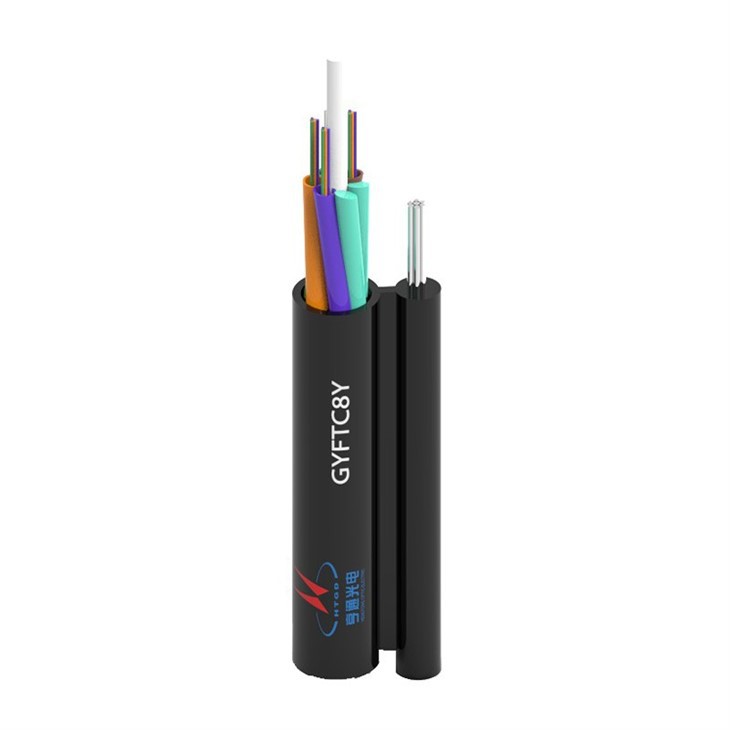
Tensile strength ratings define the maximum pulling force that cables can withstand during installation without sustaining damage.
- Aerial designs incorporate substantial strength members (steel wire or aramid yarn)
- Enable self-supporting spans between utility poles or building attachments
- Strength elements protect sensitive optical fibers and conductors from mechanical stress
- Designed to withstand environmental loads including wind and ice accumulation
Quality Standards and Certification Requirements
International Quality Certifications
ISO 9001
Quality management systems certification demonstrating consistent product quality
ISO 14001
Environmental management certification for responsible manufacturing practices
UL Certification
Verification of compliance with electrical safety requirements
CE Marking
Indicates conformity with applicable European Union directives
RoHS Compliance
Meets restrictions on hazardous substances in electronic equipment
Manufacturing Quality Control
Raw Material Inspection
Verification that optical fibers, copper conductors, and jacket compounds meet specified performance characteristics before entering production.
01
In-Process Monitoring
Tracking of dimensional accuracy, conductor resistance, and optical performance to detect potential quality issues before product completion.
02
Final Inspection
Thorough testing that validates:
Optical transmission characteristics
Conductor continuity and resistance
Mechanical performance under stress
Environmental resistance properties
03
Automated Testing
Specialized equipment measures optical insertion loss, return loss, and chromatic dispersion across the entire fiber length, ensuring consistent performance.
04
FAQ
Q: How does hybrid fiber optic cable work?
A: It bundles optical fibers for data and copper conductors for low-voltage power in one jacket. The fibers carry high-bandwidth signals over long distances while the copper feeds devices like cameras or radios, cutting the need for a second power run.
Q: What is hybrid cable fiber optic used for?
A: Common in CCTV, small-cell/5G, Wi-Fi APs, and industrial sensors where you must place gear far from power. One pull delivers both connectivity and power, speeding installs and reducing conduit fill.
Q: Why choose hybrid optical fiber cable for networks?
A: It simplifies design, lowers labor, and reduces failure points from separate power lines. You also get fiber’s immunity to EMI and long reach, with enough copper gauge options to meet device wattage.
Q: What is hybrid fiber optic cable?
A: A composite cable combining one or more optical fibers with copper conductors in a single sheath. It’s designed to provide data plus power (or control) to remote devices from the same cable.
Q: Which fiber optic hybrid cable fits outdoor runs?
A: Look for outdoor-rated UV-resistant jackets, water-blocking gel or yarns, and armored options if rodent risk exists. Match copper gauge to load and distance, and choose single-mode fibers for long spans.
We're professional hybrid fiber optic cable manufacturers and suppliers in China, specialized in providing high quality products and service. If you're going to wholesale customized hybrid fiber optic cable, welcome to get quotation from our factory.