







Fiber Optic Cable Assemblies Products
-
![MPO (1×N) Breakout Fiber Optic Cable Assembly]()
MPO (1×N) Breakout Fiber Optic Cable Assembly
MPO/MTP trunk breakout fiber optic jumper cables are key breakout components for data center optical interconnection systems, widely supporting 100G, 200G, 400G and 800G high-speed dataread more -
![MPO (N×N) Breakout Fiber Optic Cable Assembly]()
MPO (N×N) Breakout Fiber Optic Cable Assembly
MPO breakout fiber optic cable assemblies are core breakout components for multi-user bidirectional optical interconnection scenarios, widely supporting 100G, 200G, 400G and 800G high-speed dataread more -
![MPO Braided Fiber Optic Cable Assembly]()
MPO Braided Fiber Optic Cable Assembly
MPO braided fiber optic cable assemblies are high-reinforcement optical interconnection products, widely used for 100G, 200G, 400G and 800G high-speed data transmission in complex wiringread more -
![Pre-Connectorized Drop Cable]()
Pre-Connectorized Drop Cable
Self-supporting Butterfly Lead-in Fiber Optical Cable is all dielectric drop cable consisting of 1 to 4, The whole optical cable is an 8 shape structure, with three parts: lifting line, sling andread more -
![SC To SC Duplex Cable Assembly]()
SC To SC Duplex Cable Assembly
Fiber optic cable assemblies are the process of connecting and terminating optical fibers to create an optical communication system. This process involves assembling components such as connectors,read more -
![LC To LC Duplex Cable Assembly]()
LC To LC Duplex Cable Assembly
LC to LC duplex cable assemblies are one of our hot selling patch cords. With the continuous development of fiber optic communication technology, 3G, 4G commercial trial network, high-speed LAN andread more -
![SC to SC Duplex Fiber Optic Jumper Cable]()
SC to SC Duplex Fiber Optic Jumper Cable
SC to SC duplex fiber optic jumper cable with strong tensile strength, compression resistance , flexibility characteristics, bending resistant, oil resistant, abrasion resistance, flame retardant andread more -
![FC to FC Duplex Fiber Optic Jumper Cable]()
FC to FC Duplex Fiber Optic Jumper Cable
FC to FC duplex fiber optic jumper cable using only high-quality components, equipment and workmanship, resulting in products that meet or exceed the most demanding specifications.read more -
![LC to LC Multi-Fiber Optic Jumper Cable]()
LC to LC Multi-Fiber Optic Jumper Cable
LC to LC Multi-Fiber optic jumper cable typically refer to equipment and components used to extend or connect optical fibers in outdoor environments.read more -
![Multi-Fiber SC To SC Cable Assembly]()
Multi-Fiber SC To SC Cable Assembly
Multi-Fiber SC to SC cable assemblies are fiber optic cabling components designed specifically for outdoor environments, catering to the high-speed broadband access services of Fiber to the X (FTTX).read more -
![Multi-Fiber FC To FC Cable Assembly]()
Multi-Fiber FC To FC Cable Assembly
Multi-Fiber FC to FC cable assemblies for CATV, PON, FTTH and ATM/SONET applications. These multi-core fiber optic patch cords for CATV, PON, FTTH and ATM/SONET applications save space while reducingread more


Understanding Fiber Optic Cable Assemblies
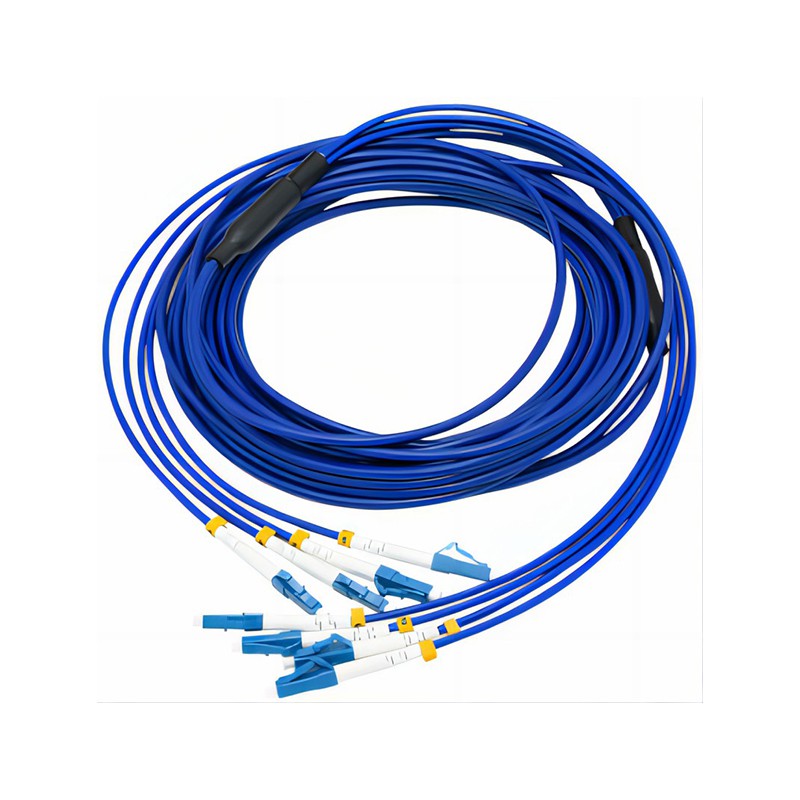
In today's hyperconnected digital landscape, the demand for high-speed, reliable data transmission has never been greater. At the heart of this connectivity revolution lies fiber optic cable assemblies—precision-engineered solutions that enable seamless communication across industries, from telecommunications and data centers to aerospace, military, and enterprise networks.
As businesses and organizations worldwide seek to upgrade their infrastructure to meet escalating bandwidth requirements, understanding the intricacies of fiber optic cable assemblies becomes essential for making informed decisions that deliver long-term value and performance.
Beyond Basic Connectivity
A fiber optic cable assembly represents far more than mere physical connections between network points. These sophisticated systems comprise carefully selected optical fibers, protective jacketing, specialized connectors, and strain relief components—all engineered to deliver optimal signal integrity across diverse environmental conditions.

The complexity of modern network architectures demands assemblies that can seamlessly integrate into existing infrastructure while providing the flexibility to scale as organizational needs evolve. Whether deploying single mode fiber optic cable assembly market solutions for long-distance telecommunications or multimode configurations for campus networks, the selection process requires careful consideration of numerous technical parameters.
Technical Parameters to Consider
Wavelength compatibility
Connector types and Cable construction
Environmental specifications
Transmission distance requirements
Bandwidth capacity needs
Comprehensive Application Scenarios
Fiber optic cable assemblies deliver superior performance across a wide range of industries and environments. From data centers to aerospace applications, these precision-engineered solutions meet the most demanding connectivity requirements.


Data Center Interconnectivity
Pre-terminated fiber optic cable assemblies have revolutionized deployment efficiency in mission-critical data center environments.
Plug-and-play connectivity reduces installation time
MPO connectors support 12, 24, or 72 fibers in a single interface
Ideal for high-density spine-and-leaf architectures
Telecommunications Infrastructure
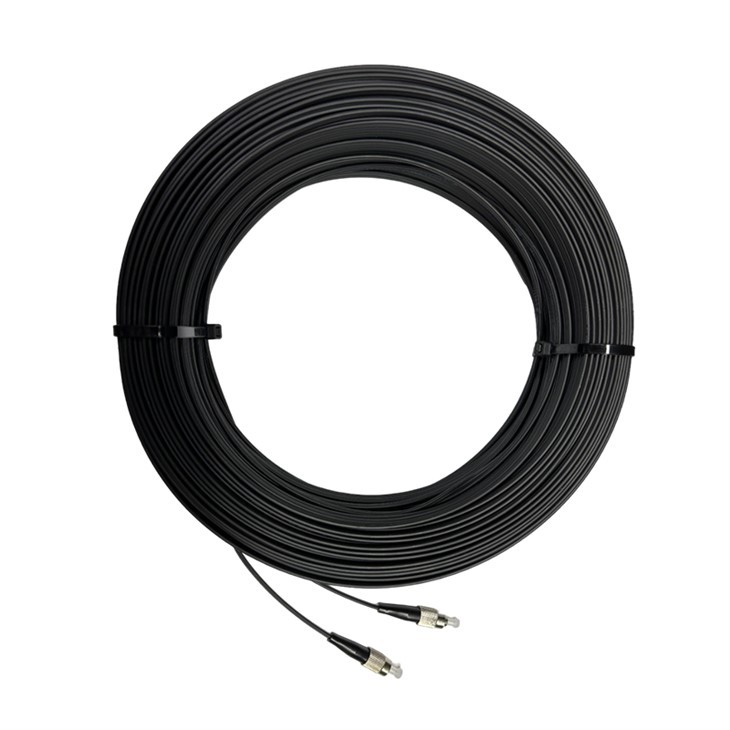
Optical fiber trunk cable assemblies serve as the backbone of metropolitan area networks, providing essential scalability.
Connect central offices to distribution points
Supports gigabit-speed internet and 5G wireless backhaul
Delivers business-class connectivity solutions

Aerospace and Defense
These specialized assemblies demand exceptional reliability under extreme conditions and strict military specifications.
Withstands severe vibration and temperature fluctuations
Immune to electromagnetic interference
Secure, tap-resistant data transmission for classified communications

Industrial and Manufacturing
Factory automation systems and robotic controls rely on optical connectivity for Industry 4.0 initiatives.
Immune to electromagnetic noise from heavy machinery
Sealed designs protect from contaminants and moisture
Ensures continuous operation and maximizes equipment utilization

Medical and Healthcare
Healthcare institutions depend on robust connectivity for electronic medical records and diagnostic imaging systems.
Prevents interference with sensitive medical devices
Enables high-bandwidth for large imaging files
Supports real-time video consultations and telemedicine

Broadcast and Media
Modern media production requires rapid transfer of enormous data volumes between editing suites and storage systems.
Supports uncompressed 4K and 8K video workflows
Maintains signal integrity for professional broadcast
Custom configurations tailored to specific workflow requirements
Diverse Types and Configurations
Fiber optic cable assemblies come in various configurations to match specific application requirements. Understanding these options is crucial for selecting the optimal solution for your network infrastructure.
Single-Mode and Multimode Architectures
The fundamental distinction between single-mode and multimode fiber optic cable assemblies lies in their core diameter and intended transmission characteristics.
| Feature | Single-Mode | Multimode |
|---|---|---|
| Core Diameter | ~9 microns | 50 or 62.5 microns |
| Transmission Distance | Long-distance (km) | Shorter-distance (m) |
| Bandwidth | Higher bandwidth | Lower bandwidth |
| Light Source | Laser diodes | LEDs |
| Best For | Metro networks, long-haul telecom | Campus networks, data centers |
Connector Varieties
Connector selection profoundly impacts assembly performance, installation efficiency, and long-term reliability.

LC (Lucent Connector)
Compact form factor ideal for high-density applications. Common in data centers and enterprise networks.

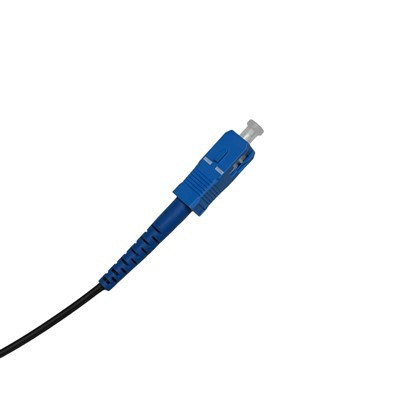
SC (Subscriber Connector)
Prevalent in telecommunications infrastructure with push-pull latching mechanism.
MPO/MTP Connectors
Multi-fiber interfaces enabling high port density, essential for data center applications.

SMPTE Hybrid
Combines optical and electrical connections for broadcast facilities and specialized applications.
Simplex, Duplex, and Trunk Configurations
Network architecture determines whether simplex, duplex, or trunk configurations best serve specific deployment requirements.
Simplex
Single-fiber configuration for unidirectional communication
Duplex
Two-fiber configuration supporting bidirectional communication over separate transmit and receive paths
Trunk
Multi-fiber configurations consolidating multiple connections into manageable bundles
Custom Engineering
Off-the-shelf solutions cannot address every application scenario. Custom fiber optic cable assemblies enable organizations to specify exact requirements:
Exact lengths and Rodent protection
Connector combinations and Strain relief designs
Specialized jacket materials
Armored constructions
Chemical resistance
Hengtong Global: Industry Leadership
As a globally recognized leader among fiber optic cable assembly manufacturers, Hengtong Global brings unparalleled expertise to every project. The company's commitment to innovation and excellence sets the standard for the industry.
Manufacturing Capabilities
State-of-the-art facilities combining advanced automation with skilled craftsmanship, ensuring consistent quality across production volumes.
Quality Assurance
Comprehensive testing protocols verifying optical performance, environmental resilience, and mechanical integrity for flawless operation.
Technical Expertise
Engineering team collaboration to understand specific challenges, recommend optimal solutions, and provide ongoing support throughout installation.
Global Reach
International scale with regional presence ensuring customers receive the products they need when they need them, with local technical support.
Addressing Critical Industry Pain Points
Competitive advantage
The company conducted a competitive advantage analysis to identify its strengths and weaknesses compared to its rivals.
Installation Challenges
Pre-terminated solutions eliminate field termination complexity, reducing installation time from days to hours while improving reliability.
No field polishing or cleaving
Plug-and-play connectivity
Reduced labor costs
01
Density Requirements
High-density solutions enable dramatic increases in port count per rack unit without expanding physical footprints.
Advanced multi-fiber assemblies
Compact connector designs
Improved cable management
02
Environmental Reliability
Ruggedized designs maintain performance integrity across the most demanding conditions.
Specialized jacket materials
Environmentally sealed connectors
Armored constructions
03
Cost Optimization
Product portfolio spanning from economical solutions for cost-sensitive applications to premium assemblies for mission-critical deployments, ensuring customers can select options aligned with their specific performance requirements and budget parameters.
04
Supply Chain Reliability
Robust manufacturing infrastructure, vertical integration, and strategic inventory management provide supply chain resilience that protects customers from disruptions, while customization capabilities ensure tailored solutions for specialized applications.
05
Technical Considerations for Optimal Selection
Selecting the right fiber optic cable assembly requires careful consideration of performance parameters, environmental factors, mechanical requirements, and standards compliance to ensure optimal performance and reliability.
Performance Parameters

Insertion Loss
Determines how much optical power the assembly may attenuate, critical for maintaining adequate signal strength across link spans.
Typical specification: ≤0.3 dB
Return Loss

Return Loss
Addresses reflections that can degrade system performance, particularly important for high-speed transmission protocols.
Typical specification: ≥40 dB

Bandwidth Capacity
Must align with application requirements, from 1Gbps for basic networks to 100Gbps+ for data centers and high-performance computing.
Depends on fiber type and application
Environmental Operating Ranges

Temperature Range
Standard: -20°C to +60°C
Extended: -40°C to +85°C

Humidity Resistance
Up to 95% non-condensing
Sealed options for wet environments

Chemical Resistance
Assemblies may need protection against various chemicals depending on the installation environment:
- Cleaning agents
- Fuels
- Industrial chemicals
- SaltwaterUV exposure

Mechanical Stress
Resistance to vibration, impact, and flexing cycles varies by construction, with specialized designs available for high-stress applications.
Mechanical Design Considerations
Bend Radius
Minimum bend radius specifications prevent signal attenuation and physical damage
Armored Constructions
For mechanical protection in harsh environments or underground installations
Flex Life
Specialized cable designs for applications involving repeated flexing
Strain Relief
Specialized cable designs for applications involving repeated flexing
Connector Compatibility
Must align with panel configurations and equipment interfaces
Cable Managemen
Considerations for routing, termination, and future maintenance
Installation Best Practices and Optimization

Pre-Installation Planning
Successful installations begin long before assemblies arrive on site with comprehensive planning and preparation.
Identify routing paths and potential obstacles
Document connector locations and panel configurations
Confirm compatibility with active equipment
Develop cable management strategies
Plan for future maintenance and scalability
Proper Handling and Protection
Optical assemblies require careful handling to prevent damage that can impact performance.
Avoid excessive pulling forces that stress connectors or fibers
Maintain minimum bend radius requirements
Keep protective dust caps installed until connection
Protect from physical damage during transportation
Train installation teams in proper handling techniques


Connector Cleaning and Inspectiontire change & repair
Contaminated optical interfaces represent the leading cause of performance problems in optical networks.
Use appropriate cleaning materials and techniques
Inspect connectors before installation with fiber microscopes
Remove microscopic particles that scatter light
Prevent contamination that increases insertion loss
Establish regular cleaning and inspection protocols
Documentation and Labeling
Comprehensive documentation transforms installations from mysteries into manageable systems.
Implement detailed cable labeling systems
Document assembly specifications and routing paths
Record connector locations and patch panel assignments
Create as-built documentation for future reference
Maintain test results and performance data

Supplier Selection: Strategic Considerations
Choosing the right fiber optic cable assembly supplier is a critical decision that impacts project success, network performance, and long-term operational reliability.
Manufacturing Quality
Evaluate supplier manufacturing capabilities, quality certifications, and testing procedures to ensure consistent product performance and reliability.
Technical Support
Access to knowledgeable engineering assistance can mean the difference between smooth installation and costly delays in deployment.
Customization Flexibility
Suppliers offering custom engineering services enable customers to specify exact configurations matching their unique application needs.
Supply Chain Reliability
Consistent delivery of specified products on promised schedules directly impacts project success and operational planning.
We're professional fiber optic cable assemblies manufacturers and suppliers in China, specialized in providing high quality products and service. If you're going to wholesale customized fiber optic cable assemblies, welcome to get quotation from our factory.