



SMF Fiber Structure: Core, Cladding, Coating, and Cable Design Explained
SMF Fiber has a core, cladding, coating, and cable design. Each part has its own job. These parts help control light signals. They also protect the network. You should know about these layers. They change how well your network works. They also change how long it lasts. They affect how much your network is worth.
The design helps send data far and fast. This makes people want it all over the world. It also helps companies make more money.
You get less signal loss. You get better bandwidth. You get stronger reliability. This means your network stops less. You also pay less for repairs.

Key Takeaways
- Learn about the four main parts of SMF Fiber: core, cladding, coating, and cable design. Each part helps the network work well.
- Pick glass cores for networks that go far. Glass cores give better signals and lose less signal than plastic cores.
- A small core diameter in SMF Fiber gives better signals. It mixes less light, so data can go farther.
- Cladding keeps light signals inside the fiber. It lowers signal loss and makes the network more reliable.
- Choose coatings that protect against things like water and dirt. This makes your fiber last longer and saves money on repairs.
- Get a strong cable design to help your network handle stress. This keeps your network working well for a long time.
- Always look for quality certifications when you buy SMF Fiber. Certified products work better and are more reliable.
- Check suppliers closely to make sure they sell good products and give good support. This keeps your network safe and protects your money.
SMF Fiber Core
The core is the most important part of SMF Fiber. It sends light signals very fast and far. The core helps your network work well. The material and design of the core matter a lot. They decide how good your network is. They also affect how much your network is worth.
Core Material
Glass vs. Plastic
Most SMF Fiber cores use glass. Glass lets signals move fast and far with little change. Plastic cores are used sometimes, but they do not last as long. Glass cores work better for long distances. They also have less signal loss. Glass cores use 1310 nm and 1550 nm wavelengths. These are common in telecom networks. Plastic cores are cheaper and good for short links. But they lose more signal and do not last as long.
Tip: Pick glass cores for important business networks. They follow IEC and ITU rules for good performance.
|
Property |
Glass Core (SMF Fiber) |
Plastic Core |
|---|---|---|
|
Attenuation |
0.30–0.40 dB/km |
>1 dB/km |
|
Lifetime |
20+ years |
5–10 years |
|
Tensile Strength |
High |
Moderate |
|
Cost |
Higher upfront |
Lower upfront |
|
Standards |
IEC, ITU, IEEE |
Limited |
Core Size
Small Diameter Benefits
SMF Fiber has a core that is about 9 microns wide. This small size lets only one light mode pass through. That means less mixing of light and better signal quality. You can send data farther than with multimode fibers.
- Small cores let you fit more fibers together.
- You save space by using smaller connectors.
- Plug-and-play designs make setup faster and easier.
- You can add more fibers later if you need to grow.
|
Feature |
Benefit |
|---|---|
|
High-Density Connectivity |
You can fit more fibers in one connector. |
|
Faster Installation |
Plug-and-play makes setup quick and easy. |
|
Scalability for Future Growth |
You can upgrade your network when needed. |
Light Transmission
Signal Quality
The core keeps your signals strong and clear. Good core design means your data moves fast and does not get mixed up. Bad core design can cause errors and slowdowns. You want low attenuation for better performance.
- At 1310 nm, attenuation is about 0.40 dB/km.
- At 1550 nm, attenuation is about 0.30 dB/km.
- The lowest loss happens near 1550 nm.
Note: Lower attenuation means you need fewer repeaters. This saves money and time. Your network works better and breaks less.
- Good signal quality means fewer mistakes.
- High bandwidth lets you use new apps and upgrades.
- Reliable signals mean less downtime and fewer repairs.
Cladding Function
The cladding wraps around the core in SMF Fiber. It keeps light signals inside the fiber. Cladding helps your network work well. It also helps your network last longer. You get strong signals and less downtime with cladding.

Material
Cladding uses special materials to keep data safe. Most single-mode fibers use silica for cladding. Silica is very stable and strong. It protects against water and chemicals. Silica also helps control light signals. This makes the fiber last longer.
Silica (SiO₂) is the main cladding material.
It resists moisture and chemicals very well.
It keeps light signals inside the core.
|
Material |
Chemical Stability |
Optical Performance |
Lifetime |
Standards |
|---|---|---|---|---|
|
Silica (SiO₂) |
Very High |
Excellent |
20+ yrs |
IEC, ITU, IEEE |
|
Polymer |
Moderate |
Good |
5-10 yrs |
Limited |
Refractive Index
Cladding works because it has a lower refractive index. The core has a higher refractive index. This difference keeps light signals inside the fiber. When light moves from the core to the cladding, it bounces back. This is called total internal reflection. You get less signal loss and better performance.
Typical refractive index values:
- Core: about 1.467
- Cladding: about 1.462
The small difference in refractive index keeps light signals strong. This design meets IEC and ITU standards for telecom networks.
Light Containment
Cladding stops light signals from escaping. Total internal reflection sends data far without losing quality. The cladding keeps light inside the core for long distances.
Total Internal Reflection
Total internal reflection happens when light hits the cladding. The cladding's lower refractive index makes light bounce back. You get strong signals and less loss.
- Cladding keeps light inside the core.
- It reduces signal loss.
- It helps send data fast.
|
Feature |
Benefit |
|---|---|
|
Total Internal Reflection |
Strong signal containment |
|
Low Signal Loss |
Fewer repeaters needed |
|
High Data Quality |
Reliable connections |
Signal Integrity
Cladding protects your signal from outside problems. You get better signal quality and less data loss. Your network works better and costs less to fix.
Preventing Loss
Cladding stops light from leaking out. You get lower attenuation and less signal loss per kilometer. For SMF Fiber, attenuation is 0.30–0.40 dB/km. This meets strict telecom standards. You save money on repairs and upgrades.
Tip: Strong cladding means fewer repairs and less downtime. You get better value and a longer-lasting network.
Coating Protection
Coating protection keeps your fiber network safe and strong. The coating covers the cladding. It is the first shield against damage and weather. With the right coating, your SMF Fiber lasts longer. It is easier to install and stays tough.

Coating Types
There are different coating types for single-mode fiber. Each type helps protect the fiber and makes it last longer.
Early coatings used blocked urethanes, lacquers, silicone rubbers, and UV-cured epoxy acrylates.
In the 1980s, UV-curable coatings became popular. They dry fast and can be changed for different places.
Dual-layer coatings have two layers. The inside layer takes in shocks and stops microbending. The outside layer keeps out water and blocks damage.
Buffer Layer
The buffer layer is right next to the glass fiber. It takes in shocks and stops microbending that can hurt signals. If the buffer layer works well, you get better performance. You also have less downtime. The buffer layer helps make installation easier.
Durability
Coatings must be strong to handle tough places. How long a coating lasts depends on its material. It also depends on how it handles heat, chemicals, and stress. The table below shows how common coatings compare:
|
Coating Type |
Mechanical Strength |
Temperature Resistance |
Chemical Resistance |
Applications |
|---|---|---|---|---|
|
Polymer Coatings |
Moderate |
Limited |
Susceptible |
Indoor applications, telecommunications |
|
Metal Coatings |
Superior |
Up to 600°C |
High |
Extreme environments, vacuum applications |
Polymer coatings are good for most telecom networks. They are strong enough and easy to use. Metal coatings are tougher for hard places like factories or outdoors. You should check IEC, ITU, and IEEE rules to pick the right coating.
Environmental Resistance
Coatings keep fiber safe from water, chemicals, and big temperature changes. UV-curable coatings block water and chemicals better than old types. Metal coatings can take high heat and strong chemicals. If you pick coatings with high resistance, you spend less on repairs. Your network is less likely to fail.
Handling
When you put in or fix fiber, many things can hurt it. Air, water, scratches, and scrapes can damage the glass. These problems can turn into cracks and cause the network to stop working. Coatings protect the fiber from these dangers and keep the glass safe.
Installation Benefits
Good coatings make installation easier and safer. The buffer layer lets you bend and move fiber without breaking it. Dual-layer coatings stop microbending and make the fiber bend more. You save time and money when you set up the network. Your network will work well for a long time.
Tip: Always pick coatings that follow international rules. This protects your money and helps your network last longer.
SMF Fiber Cable Design

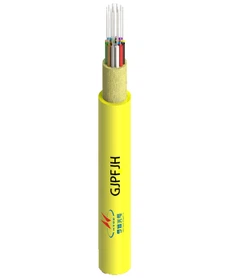
You need a strong cable design to keep your network safe. SMF Fiber cable design uses special layers and materials. These protect the fiber and make installation easier. Good cable design helps you avoid downtime. It also lowers your repair costs. You get better performance and longer life for your network.
Strength Members
Strength members help your cable handle stress and pulling. They are inside the cable, next to the fiber. These keep the fiber safe when you pull or bend the cable.
Aramid yarns, like Kevlar, absorb shocks and protect the fiber.
Steel wires add extra strength for tough jobs and outdoor use.
Most fiber cables have a tensile strength between 200 and 600 lbs. Copper cables only reach about 25 lbs. You get much better protection with fiber.
Buffering Methods
You can pick different buffering methods for your needs:
|
Buffering Method |
Description |
Best Use Case |
|---|---|---|
|
Loose Tube |
Fiber sits in gel or tube |
Outdoor, long distance |
|
Tight Buffer |
Fiber coated directly |
Indoor, short runs |
Loose tube buffering protects against water and temperature changes. Tight buffer makes installation easy in buildings.
Outer Jacket
The outer jacket is the first shield against damage. It covers all the inner layers and keeps your cable safe. The jacket material matters for how well your cable stands up to hazards.
The jacket blocks moisture, chemicals, and UV rays. It also protects against cuts, scrapes, and impacts. You need the right jacket for your environment.
Chemical resistance stops oils, acids, and solvents from hurting the cable.
Weather and sun resistance keeps outdoor cables from getting brittle.
Fire resistance slows flames and cuts down on toxic fumes.
|
Jacket Feature |
Benefit |
|---|---|
|
Moisture Protection |
Stops water damage |
|
UV Resistance |
Prevents sun damage |
|
Chemical Resistance |
Keeps cable safe from spills |
|
Fire Safety |
Slows fire, reduces fumes |
Protection Features
A cable jacket acts as a barrier. It keeps the insulation and fiber core safe. You get longer cable life and fewer repairs. The jacket helps your network stay up and running, even in tough places.
Tip: Pick jackets that meet IEC, ITU, or IEEE standards for safety and durability.
Deployment
You want your cable to work well in big projects. SMF Fiber cable design makes large-scale deployment easier and safer. You can install cables quickly and keep your network running with less downtime.
- Use adapter panels and bulkhead couplers for strong connections.
- Choose front-access patching for easy changes and repairs.
- Add panels as your network grows for better scalability.
- Pick connectors that keep attenuation low for long runs.
- Use fiber in places where copper cannot handle EMI or safety risks.
Scalability
You can grow your network by adding more cables and panels. Custom cable designs let you match your needs and budget. Higher-quality cables cost more at first, but you save money on repairs and upgrades later. Fiber optic cables give you better value for high bandwidth and long distances.
- Customization changes installation and maintenance costs.
- Better cables mean fewer repairs and longer life.
- You get more options for connectors and jackets to fit your project.
Note: Investing in strong cable design helps you avoid downtime and lowers your total cost of ownership.
Layer Synergy

Performance
Combined Protection
SMF Fiber works best when all layers help each other. Each layer does something important. When they work together, your network gets safer and faster.
The core has a higher refractive index. This keeps light inside and helps it move quickly.
The cladding has a lower refractive index. It stops light from leaking out and lowers signal loss.
The buffer coating protects the fiber from bumps, water, and chemicals. You get strong protection in hard places.
Using all three layers means less downtime and fewer repairs. Your network stays strong, even when things get tough. You meet IEC, ITU, and IEEE rules for reliability.
Reliability
Real-World Scenarios
You need a network that works every day. In real life, there are many risks. You might put fiber in a busy city, a factory, or outside. Each place has its own problems.
- In telecom networks, strong coatings keep water and dust away from the fiber.
- In data centers, tight buffer designs make setup quick and safe.
- On long routes, the cladding keeps signals strong for many miles.
You avoid expensive repairs and less downtime. Your team spends less time fixing things. You get more value for your money. If you pick fibers that follow international rules, you protect your business and your customers.
Comparison
SMF vs. MMF
You need to pick the right fiber for your project. SMF Fiber and multimode fiber (MMF) have different strengths. The table below shows how they compare for cost, performance, and setup.
|
Feature |
Single-Mode Fiber |
Multi-Mode Fiber |
|---|---|---|
|
Cost |
Usually costs more, but prices are dropping |
Usually costs less, good for short distances |
|
Performance |
Best for long distances and high bandwidth |
Good for short distances, can lose signal over long runs |
|
Deployment |
Easier to set up with new technology |
Used for short runs with LED equipment |
SMF Fiber gives you better bandwidth and longer reach. You pay more at first, but save money later. You avoid signal loss and less downtime. You meet strict rules for telecom and big networks. If you need short links and want to spend less, MMF is a good choice. For high value and future growth, SMF Fiber is the best pick.
B2B Selection Tips
Picking the right SMF Fiber for your business is important. The fiber you choose can help your network last a long time. You want to make good choices to protect your money and keep your network working well. Here are some tips to help you pick the best fiber for your needs.

Quality Standards
You need to know your fiber meets strict quality rules. High standards mean your network works better and has fewer problems. Always check if the fiber has certifications from trusted groups.
Certifications
Look for these certifications when you buy fiber:
- ISO 9001: This means the supplier uses a good quality system.
- IEC, ITU, IEEE: These show the fiber meets world telecom standards.
- RoHS, CE: These prove the product is safe and legal where you live.
Tip: Certified products help you feel safe. They help you avoid big problems and keep your network running.
Cost Factors
You want to get the most for your money. Cost is not just the price you pay at first. Think about how much you will spend over the years.
TCO Analysis
Total Cost of Ownership (TCO) means the price, setup, and future care. SMF Fiber may cost more at first, but it can save you money later.
|
Cost Factor |
Single-Mode Fiber |
Multimode Fiber |
|---|---|---|
|
Transceiver Cost |
Higher |
Lower |
|
Installation Complexity |
More Complex |
Less Complex |
|
Manufacturing Precision |
Higher Precision |
Lower Precision |
- SMF Fiber transceivers usually cost more than multimode ones.
- Making SMF Fiber is harder, so it costs more.
- You might pay more at first, but it lasts longer and needs fewer upgrades.
Note: Over time, SMF Fiber is often the best choice for big networks.
Procurement
You want a supplier you can trust. The right partner helps you avoid delays and bad quality. Good buying choices mean fewer problems and better results.
Supplier Evaluation
When you look at suppliers, check these things:
|
Criteria |
Description |
|---|---|
|
Quality and Technical Expertise |
Supplier follows ISO 9001 and other world standards. |
|
Competitive Pricing |
Get prices from many suppliers to find the best deal. |
|
Reliable Delivery |
Check how fast they deliver and what customers say. |
|
Technical and After-Sales Support |
Supplier gives training and help with setup. |
|
Compatibility |
Make sure cables work with your current systems. |
|
Maintenance and Service |
Supplier offers repair and support services. |
|
Warranty Options |
Look for strong warranty and support plans. |
You may have problems like checking quality, trusting vendors, and meeting standards. Always ask for proof of certifications and check what others say about the supplier.
Tip: A good supplier keeps your money safe and your network strong.
If you know about each SMF Fiber layer, your network will last longer. The core, cladding, coating, and cable design all help keep your network safe. They also make your network work better. Here is a table that shows how different fiber types stack up:
|
Fiber Type |
Key Features |
Impact on Reliability |
|---|---|---|
|
OS1 |
Sends lots of data with little signal loss |
Keeps signals strong over long distances |
|
OS2 |
Works well outside and loses little signal |
Needed for undersea cables and long-distance telecom |
Check and clean your system often to keep it working well.
Having a backup plan means your network stops less.
Pick good suppliers you can trust so your money is well spent. Ask for a demo or a free quote to help you start a strong network.
FAQ
Why should you choose SMF fiber for your telecom network?
SMF fiber gives you high bandwidth and low signal loss. Your network lasts longer and breaks less often. You spend less money fixing it. Telecom standards like IEC and ITU support SMF fiber. This makes it good for sending data far and keeping your network strong.
Why does the core size matter in SMF fiber?
A small core lets only one light mode go through. This means signals do not mix much. You get better signal quality. You can send data farther without problems. Your B2B network has less downtime.
Why is cladding important for signal integrity?
Cladding keeps light signals inside the core. This helps your data stay strong as it moves. You lose less signal, so you need fewer repeaters. Your business saves money on repairs.
Why do coatings affect fiber durability?
Coatings protect the fiber from water, chemicals, and damage. This keeps your fiber safe and working longer. You avoid expensive repairs and less downtime. The right coating helps your network meet IEC and ITU rules.
Why does cable design impact installation and scalability?
A strong cable design makes setup faster and safer. You can add more cables or panels when you need to grow. This saves you money on work and upgrades later.
Why do B2B buyers need to check certifications?
Certifications like ISO 9001, IEC, and ITU show the fiber meets world rules. This lowers your risk and makes sure everything works together. Certified products help stop network failures and protect your money.
Why is SMF fiber better for ROI than multimode fiber?
SMF fiber costs more at first, but you pay less later. It lasts longer and needs fewer fixes. You do not have to upgrade as often. For big telecom jobs, SMF fiber gives you better ROI and stronger performance.
Why should you evaluate suppliers before procurement?
Good suppliers give you certified products and fast delivery. They also help you if you have problems. Checking reviews and certifications keeps your business safe. This makes sure your network setup goes well.
Reference:
Data and standards come from IEC 60793, ITU-T G.652, IEEE 802.3, and top fiber optic maker white papers.