The telecommunications industry continues to evolve rapidly, with fiber optic cables serving as the backbone of modern high-speed data transmission. Understanding the fundamental differences between single mode and multimode fiber optic cables has become essential for businesses and organizations planning network infrastructure investments.
Modern data centers and enterprise networks demand reliable, high-performance connectivity solutions that can support increasing bandwidth requirements while maintaining cost-effectiveness. Whether you are designing a new network infrastructure or upgrading existing systems, the choice between single mode and multimode fiber optic cables will significantly impact your network's performance, scalability, and total cost of ownership. ⚡
1.Fiber Optic Cable Fundamentals
Basic Operating Principles
Fiber optic cables transmit data using light signals through glass or plastic fibers, offering superior performance compared to traditional copper cables. The core principle involves total internal reflection, where light signals bounce along the fiber's core while being contained by the surrounding cladding layer.
Construction and Materials
The construction of fiber optic cables involves multiple layers designed to protect and guide light signals effectively. The core, typically made of ultra-pure glass, carries the light signals. The cladding layer, with a lower refractive index than the core, ensures light remains within the core through total internal reflection.
Quality Standards Manufacturing
Manufacturing quality plays a crucial role in fiber optic cable performance. Premium cables undergo rigorous testing to ensure consistent core diameter, proper cladding thickness, and minimal optical losses. 📏 These quality factors directly impact signal integrity, transmission distance capabilities, and overall network reliability.
2.Single Mode Fiber Optic Cables
-
Technical Specifications
Single mode fiber optic cables feature an extremely small core diameter, typically measuring 8.3 to 10 micrometers. This narrow core allows only one mode of light to propagate through the fiber, eliminating modal dispersion and enabling exceptional transmission distances.
-
Light Source Requirements
The light source compatibility of single mode fibers centers on laser diodes, which produce coherent light with minimal spectral width. This laser-based transmission system enables single mode fibers to achieve remarkable distances exceeding 40 kilometers without signal regeneration.
-
Performance Characteristics
Single mode fibers excel in applications requiring long-distance transmission with minimal signal loss. Telecommunications companies utilize single mode fibers for backbone networks, inter-city connections, and submarine cable systems.
3.Multimode Fiber Optic Cables

Core Design Features
Multimode fiber optic cables incorporate larger core diameters, typically 50 or 62.5 micrometers, allowing multiple modes of light to propagate simultaneously. This larger core simplifies installation and termination procedures while reducing equipment costs. 🔧 The multiple light paths, however, create modal dispersion that limits transmission distances compared to single mode alternatives.
Advanced Construction Methods
Modern multimode fibers utilize graded-index profiles that minimize modal dispersion through careful refractive index design. The graded-index construction guides different light modes to arrive at the destination simultaneously, significantly improving bandwidth performance over traditional step-index multimode fibers. 📈 OM3, OM4, and OM5 multimode fiber standards represent the latest generations offering enhanced performance characteristics.
Compatible Light Sources
LED and VCSEL light sources commonly pair with multimode fibers, providing cost-effective transmission solutions for short to medium distance applications. These light sources generate incoherent light that efficiently couples with the larger multimode core, simplifying system design and reducing component costs. 💡 The compatibility with various light sources makes multimode fibers versatile for different application requirements.
Typical Applications
Multimode fibers dominate enterprise networking environments, data centers, and campus networks where transmission distances typically remain under 550 meters. The cost advantages, installation simplicity, and adequate performance for most enterprise applications make multimode fibers attractive for organizations with budget constraints or limited technical expertise. 🏢 Professional installations often utilize protective materials like EVA foam sheets to secure cable routing and prevent damage in high-traffic areas.
4.Performance Comparison Analysis
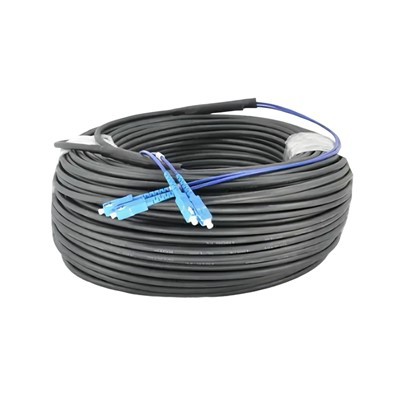
Detailed Technical Comparison
| Performance Parameter | Single Mode Fiber | Multimode Fiber (OM4) |
|---|---|---|
| Core Diameter | 8.3-10 μm | 50 μm |
| Maximum Distance | 40+ km | 550 m (10 Gbps) |
| Bandwidth Capacity | Unlimited | 4,700 MHz·km |
| Attenuation (1310nm) | 0.4 dB/km | 0.8 dB/km |
| Light Source | Laser Diode | LED/VCSEL |
| Cost (per meter) | Higher | Lower |
| Installation Complexity | High | Moderate |
Performance Analysis
The performance characteristics between single mode and multimode fibers reveal distinct advantages for different applications. Single mode fibers demonstrate superior distance capabilities, unlimited bandwidth potential, and lower signal attenuation. 📊 These characteristics make single mode fibers essential for telecommunications infrastructure, long-haul networks, and applications requiring maximum performance.
Practical Considerations
Multimode fibers offer practical advantages in cost-sensitive applications where extreme performance is unnecessary. The larger core diameter simplifies splicing and termination procedures, reducing installation time and labor costs. 🛠️ For enterprise networks, data centers, and campus environments, multimode fibers provide adequate performance while maintaining budget-friendly implementation costs.
Environmental Factors
Environmental factors also influence performance comparisons between fiber types. Single mode fibers exhibit greater stability across temperature variations, making them suitable for outdoor installations and harsh environments. 🌡️ Multimode fibers, while adequate for controlled indoor environments, may experience performance variations under extreme temperature conditions.
5.Application-Specific Recommendations

Enterprise Network Applications
Enterprise networking environments benefit significantly from multimode fiber implementations for horizontal runs, equipment interconnections, and storage area networks. The 550-meter transmission capability of OM4 multimode fiber adequately supports most building and campus network requirements while providing cost-effective connectivity solutions. 🏢 Organizations utilizing 10 Gigabit Ethernet infrastructure will find multimode fibers perfectly suited for their bandwidth requirements.
Telecommunications Infrastructure
Telecommunications and service provider networks require single mode fiber infrastructure to support long-distance transmission requirements and unlimited bandwidth scalability. The superior performance characteristics of single mode fibers enable carriers to implement high-capacity backbone networks, metropolitan area networks, and intercity connections. 📡 The future-proof nature of single mode fibers ensures compatibility with emerging technologies and increasing bandwidth demands.
Data Center Implementations
Data center applications present unique requirements that may favor either fiber type depending on specific circumstances. Modern hyperscale data centers increasingly adopt single mode fibers for spine-leaf architectures requiring maximum performance and scalability. 🖥️ Traditional enterprise data centers often utilize multimode fibers for rack-to-rack connections and equipment interfaces where distances remain relatively short.
Industrial and Manufacturing
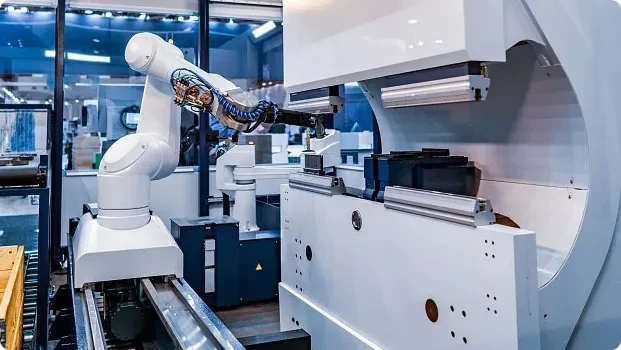
Manufacturing and industrial environments require robust fiber optic solutions capable of withstanding harsh conditions while providing reliable connectivity. Both single mode and multimode fibers can serve industrial applications, with selection depending primarily on distance requirements and performance specifications. ⚙️ Industrial applications often incorporate specialized cable constructions with enhanced protection against moisture, chemicals, and mechanical stress, utilizing protective materials such as EVA foam sheets for equipment cushioning and cable management systems.
6.Cost Analysis and Total Ownership

Initial Investment Comparison
| Cost Component | Single Mode | Multimode | Notes |
|---|---|---|---|
| Cable Cost (per foot) | $0.75-1.50 | $0.50-1.00 | Varies by specification |
| Transceiver Cost | $200-500 | $50-150 | Per interface |
| Installation Labor | High | Moderate | Specialized skills required |
| Maintenance | Low | Low | Both types reliable |
| Upgrade Potential | Excellent | Limited | Future-proofing value |
Short-Term Cost Considerations
Initial investment considerations favor multimode fibers for cost-sensitive installations where performance requirements align with multimode capabilities.
Long-Term Value Analysis
Long-term cost analysis often favors single mode fiber implementations despite higher initial investments. The unlimited bandwidth scalability and future-proof characteristics of single mode fibers eliminate the need for infrastructure upgrades as bandwidth requirements increase.
Return on Investment
Return on investment calculations must account for network lifecycle expectations, anticipated bandwidth growth, and upgrade frequency requirements. Single mode fiber installations typically provide longer service life and greater adaptability to changing technology requirements.
7.Installation Best Practices
industry applications

Single Mode Installation Requirements
Professional installation techniques significantly impact fiber optic network performance and reliability. Single mode fiber installations require precision alignment tools, specialized fusion splicing equipment, and trained technicians familiar with laser safety procedures.

Multimode Installation Procedures
Multimode fiber installations, while less demanding than single mode alternatives, still require proper techniques to ensure optimal performance. The larger core diameter provides some tolerance for minor alignment imperfections, but proper cleaning procedures, appropriate tools, and quality connectors remain essential for reliable network operation.

Testing and Certification
Testing and certification procedures verify installation quality and document network performance characteristics. Optical time domain reflectometer testing identifies splice losses, connector quality, and potential cable damage throughout the installation. Power meter measurements confirm signal levels and loss budgets meet design specifications.

Cable Management Systems
Cable management systems protect fiber optic installations from mechanical stress, sharp bends, and environmental factors that could compromise performance. Proper cable routing, support systems, and protection methods ensure long-term reliability while facilitating future maintenance and expansion activities.
8.Strategic Recommendations and Conclusion

Decision Framework
The decision between single mode and multimode fiber optic cables requires careful consideration of current requirements, future growth plans, and budget constraints. Organizations with long-distance connectivity needs, unlimited bandwidth requirements, or future-proofing priorities should invest in single mode fiber infrastructure despite higher initial costs. 🎯 The strategic importance of this decision extends beyond immediate technical requirements to encompass long-term business objectives and competitive positioning.
Application-Specific Guidance
Multimode fiber implementations remain appropriate for cost-sensitive applications with limited distance requirements and predictable bandwidth needs. Enterprise networks, campus installations, and data center environments often benefit from multimode fiber solutions that provide adequate performance while maintaining budget-friendly implementation costs. 💼 Professional consultation ensures optimal selection based on specific operational requirements and growth projections.

Professional Implementation
Professional consultation and detailed network analysis help ensure optimal fiber optic cable selection for specific applications. The complexity of modern networking requirements demands expert guidance to navigate technical specifications, performance characteristics, and cost considerations effectively. 🔍 Investment in proper planning and professional installation yields superior long-term results regardless of the chosen fiber type.
Long-Term Strategic Planning
Strategic infrastructure planning should anticipate future technology adoption and bandwidth growth patterns. While current requirements may justify multimode fiber selection, organizations should evaluate the long-term implications of their infrastructure decisions. The rapid pace of technology advancement and increasing bandwidth demands suggest that single mode fiber investments often provide superior value for organizations planning beyond immediate requirements. 📅 Successful network infrastructure investments balance current operational needs with future scalability requirements, ensuring sustainable competitive advantage in an increasingly connected business environment.