





How to cut fiber optic cable
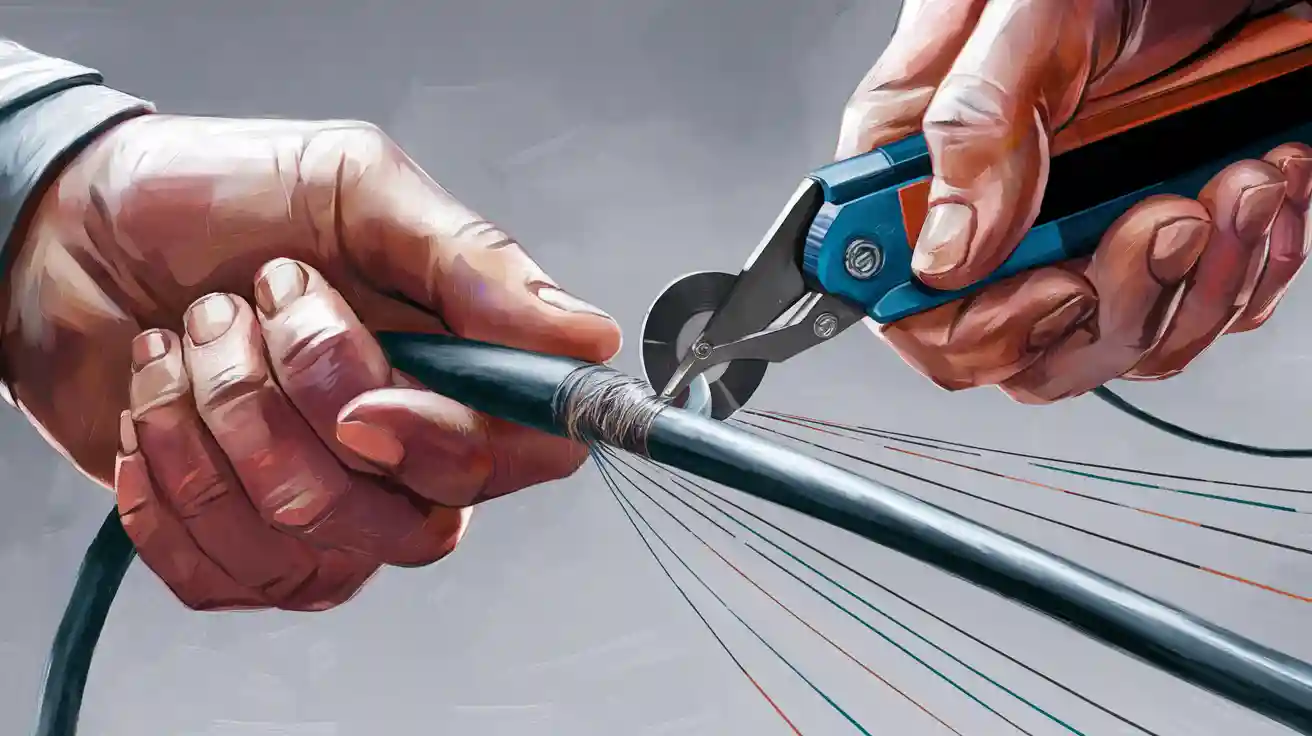
Cutting fiber optic cable demands precision and the right tools to protect both the cable and your hands. You need a clean, straight, 90-degree cut to avoid signal loss. Always leave extra cable at each end for proper termination. By following correct techniques, you prevent damage and ensure optimal performance. Both professionals and DIYers can achieve excellent results with careful preparation.
Key Takeaways
- Use specialized tools like fiber cleavers and strippers for precise cuts. This prevents signal loss and ensures optimal performance.
- Always measure and mark the cable accurately before cutting. Double-checking measurements helps avoid costly mistakes.
- Leave extra cable length at both ends for future adjustments. This flexibility prevents the need for complete replacements later.
- Maintain a clean workspace and inspect tools regularly. Clean tools and environments reduce the risk of contamination and ensure high-quality cuts.
- Wear protective gear, such as safety glasses and gloves, to safeguard against glass shards and chemical exposure during the cutting process.
Tools for Fiber Optic Cable

Image Source: unsplash
Cutting fiber optic cable requires specialized tools designed for precision and safety. You must select the right equipment to achieve a clean, straight cut and maintain signal integrity. Below, you will find essential tools, alternatives, and safety gear for professional and DIY applications.
Cutter and Cleaver
You need a cutter or cleaver engineered for fiber optics. These tools use hardened steel blades with a tensile strength exceeding 60 HRC, ensuring durability and sharpness. A fiber cleaver delivers a consistent, low-angle cleave, which is vital for low-loss fusion splicing. Modern cleavers often feature automatic blade rotation and compatibility with single-mode, multi-mode, and ribbon fibers. You will find these tools in FTTH toolkits, alongside strippers and visual fault locators. The cutter provides a precise 90-degree cut, minimizing signal loss and reducing the need for post-processing.
Common Fiber Optic Tools:
- Buffer Tube Slitter
- Diagonal Cutter
- Jacket Remover
- Cable Jacket Slitter
- Drop Cable Stripper
- Kevlar Cutter/Scissors
- Buffer Tube Cutter
- Midspan Access Tool
- Fiber Stripper
- Fiber Cleaver
|
Tool Name |
Material |
Strength (HRC) |
Application |
|---|---|---|---|
|
Fiber Cleaver |
Hardened Steel |
60+ |
Precision cleaving |
|
Diagonal Cutter |
Alloy Steel |
55-60 |
Clean cable cuts |
|
Kevlar Scissors |
Stainless Steel |
50-55 |
Cutting strength members |
Alternative Tools
You may use wire snips or saws for larger cables, but these tools lack the precision of a dedicated cutter. Fiber laser cutting offers exceptional accuracy, cleaner edges, and minimal thermal distortion. This method suits industrial settings where intricate designs and tight tolerances are required. However, manual alternatives often require more labor and may compromise cut quality.
Safety Equipment
You must protect yourself when working with fiber optic cables. Safety glasses shield your eyes from glass shards. Gloves prevent cuts and exposure to chemicals. Always clean your workspace and tools with isopropyl alcohol and compressed air. Regular inspection and testing ensure optimal tool performance and cable integrity.
Tip: Always inspect your tools before use. Clean blades and check for wear to maintain high-quality cuts and extend tool life.
How to Cut Fiber Optic Cable

Cutting a fiber optic cable requires careful planning and precise execution. You must follow a systematic approach to ensure the cable remains undamaged and ready for termination. Below, you will find a detailed guide that covers every critical step.
Preparation Steps
Start by preparing your workspace. Choose a clean, well-lit area free from dust and debris. Contaminants, even microscopic particles, can compromise the quality of your fiber optic cable cut and lead to poor splicing results. Always wear personal protective equipment, such as safety glasses and gloves, to protect yourself from glass shards and chemical exposure. Inspect your tools for cleanliness and sharpness. Clean blades and a tidy environment help prevent accidental damage and ensure a smooth workflow.
Tip: A clean workspace and well-maintained tools are essential for achieving a secure and functional splice.
Measuring and Marking
Accurate measurement is crucial. Use a measuring tape to determine the required length of fiber optic cable for your installation. Mark the cable with a non-permanent marker at the exact point where you plan to cut. Double-check your measurements to avoid cutting the cable too short, which can cause complications during installation and future maintenance.
Always measure twice before making any cuts.
Mark the cable clearly to ensure a straight, perpendicular cut.
Avoid pulling or twisting the cable during measurement, as this can damage the internal fibers.
Cutting and Polishing
Follow these industry-standard steps to cut your fiber optic cable:
- Expose the Fiber: Use a cable cutter to gently score the outer jacket. Remove the sheath without harming the strength members or internal fibers.
- Strip the Coatings: Employ a fiber optic stripper to carefully remove the buffer coatings from the individual fibers.
- Clean the Fiber: Wipe the exposed fiber ends with a lint-free cloth and fiber optic cleaning solution. This removes any residue that could interfere with signal transmission.
- Cleave the Fiber: Secure the fiber in a cleaver. Follow the manufacturer's instructions to achieve a flat, perpendicular cleave, which is essential for low-loss splicing.
|
Cutting Method |
Precision |
Ease of Use |
Typical Application |
|---|---|---|---|
|
Fiber Cleaver |
High |
Moderate |
Professional splicing |
|
Diagonal Cutter |
Medium |
Easy |
Quick field repairs |
|
Wire Snips/Saw |
Low |
Easy |
Large cable rough cuts |
|
Laser Cutting |
Very High |
Complex |
Industrial, high-volume |
Polishing the end face may be necessary if you plan to terminate the fiber with connectors. Use a polishing film and follow the connector manufacturer's guidelines to achieve a smooth, mirror-like finish.
Note: Never bend or twist the fiber optic cable during cutting. Overbending or twisting can cause breakage and signal loss.
Leaving Extra Cable
Always leave extra fiber optic cable at both ends of your run. Industry recommendations suggest adding at least 20 feet of slack for termination and future repairs. Coiling the extra cable into a service loop helps accommodate potential relocations or adjustments. This practice ensures you have enough length for proper termination and minimizes the risk of having to replace the entire cable due to a shortfall.
- Leave 20-30 feet of slack where possible.
- Coil the extra cable neatly to maintain bend radius and prevent kinks.
- Plan for future maintenance by providing accessible service loops.
Alert: Cutting the cable too short is a common mistake. It can lead to installation delays and increased costs. Always err on the side of caution and leave more slack than you think you need.
By following these steps, you ensure a clean, precise cut and set yourself up for a successful fiber optic cable installation. Proper preparation, measurement, and technique protect your investment and guarantee optimal performance.
Safety and Precautions

Personal Protection
You must protect yourself when working with fiber optic cable. Tiny glass shards can cause injuries or embed in your skin. You face risks from chemical exposure and laser light. Always wear safety glasses to shield your eyes from splinters and laser exposure. Use nitrile or latex gloves to prevent skin contact with broken fibers and chemicals. Disposable aprons or lab coats keep fiber particles off your clothing. Work in a well-ventilated area or wear a mask if fumes are present. Wash your hands thoroughly before touching your face or handling contact lenses.
Tip: Keep food and drinks out of the workspace. This prevents accidental ingestion of fiber particles.
Recommended Safety Practices:
- Wear protective eyewear at all times.
- Use gloves when handling sharp materials.
- Don disposable aprons or lab coats.
- Work on a black surface to spot fiber scraps easily.
- Never look directly into fiber ends unless you confirm there is no light source.
Cable Handling
You need to handle fiber optic cable with care. Broken fibers can snap and send shards flying. Always work in a well-lit area so you can see broken fibers. Avoid bending or twisting the cable, which can cause internal damage. Use proper tools and techniques to minimize risk. Maintain a clean workspace to prevent leaving behind dangerous shards.
Best Practices for Handling:
- Handle fibers gently to avoid snapping.
- Wear gloves to prevent skin injuries.
- Dispose of scraps immediately in marked containers.
- Keep the work area clean and organized.
Alert: Never eat or drink near the work area. Fiber shards can contaminate food and pose health risks.
Waste Disposal
Proper disposal protects you and the environment. Always use a sharps container for fiber scraps. Follow local e-waste guidelines for disposing of cables. Clean surfaces with damp wipes and inspect for stray fibers after finishing your work. Recycling cable sheaths, jackets, and cores conserves resources and reduces landfill waste. Safe disposal of hazardous materials, such as lead or mercury, prevents environmental contamination.
Waste Disposal Checklist:
- Use safety glasses, gloves, and protective clothing during cleanup.
- Designate a fiber trash container in your workspace.
- Dispose of fiber shards in sharps containers.
- Recycle cable materials when possible.
- Clean the area thoroughly after each job.
|
Course Name |
Duration |
Certification |
Focus |
|---|---|---|---|
|
Certified Fiber Optic Technician |
4.5 Days |
FOA Certification |
Splicing & Testing |
|
Fiber Optic Installer Certification |
3 Days |
ETA FOI Certification |
Splicing & Testing |
Note: Training and certification ensure you follow industry standards for safety and handling. Certified technicians learn best practices for cutting, splicing, and disposing of fiber optic cable.
Repair a Fiber Optic Cable
Identifying Damage
You need to identify damage before you attempt to repair a fiber optic cable. Accurate detection prevents unnecessary cuts and ensures you address the real problem. You can use several methods to locate faults and breaks. The table below summarizes the most effective techniques:
|
Method |
Description |
|---|---|
|
OTDR (Optical Time-Domain Reflectometer) |
Uses light pulses to pinpoint breaks, stress events, and signal loss along the cable. |
|
Visual Fault Locator (VFL) |
Emits visible light to highlight faults in short fiber runs, ideal for indoor use. |
|
Manual Visual Inspection |
Allows you to spot visible cracks, bends, or abrasions on the cable surface. |
|
Distributed Fiber Optic Sensing (DFOS) |
Measures physical parameters with light signals, providing precise damage location for advanced applications. |
Tip: Early detection saves time and reduces the risk of further damage. You protect your network investment by using the right diagnostic tools.
Cutting Out Damaged Sections
Once you locate the damaged area, you must remove it with precision. You need to follow a systematic approach to avoid harming the remaining cable. Use the following steps:
- Cut the cable at the point of damage using kevlar sheers or a fiber optic cutter.
- Strip back about 2 inches of the outer jacket with a three-hole jacket stripper.
- Separate the internal yarn from the fiber strand and remove the inner coating.
- Cleave the fiber to the correct length using a precision cleaver.
- Clean the exposed fiber with alcohol and lint-free wipes.
Recommended tools include single mode fiber optic cable, LC mechanical connectors, fiber jacket stripper, kevlar sheers, and a precision cleaver.
Alert: Cleanliness is critical. Any contamination can compromise the repair and reduce signal quality.
Rejoining and Testing
After you prepare the cable ends, you need to rejoin them using a mechanical connector or fusion splicer. Insert the fiber strand into the connector and secure it. Slide the locking tab closed and attach the connector boot. Trim any exposed yarn for a neat finish.
You must test the integrity of the splice to confirm a successful repair. Use an OTDR to send light pulses through the cable and analyze the reflected signal. This test reveals any loss or weak points in the connection. You can also perform a mechanical tug test to check the security of the splice.
Note: Thorough testing ensures your repair a fiber optic cable project restores full performance and reliability. You minimize downtime and protect your network from future failures.
Cut Fiber Optic Lights
Fiber optic lights offer unique visual effects for architectural, automotive, and decorative applications. You must use the right tools and techniques to cut fiber optic lights, as improper handling can reduce brightness and durability. Understanding the differences between fiber optic cables and fiber optic lights helps you achieve optimal results.
Tools for Fiber Optic Lights
You need specialized tools to cut fiber optic lights cleanly and safely. Using the correct equipment prevents signal loss and ensures consistent light output.
- Fiber optic cleavers
- Fiber optic strippers
- Fusion splicers
- Visual fault locators
- OTDRs
- Connector termination tools
- Inspection microscopes
- Fiber optic mid-span tools
Cutting fiber optic lights requires cleavers and strippers to produce clean ends. If you use the wrong tools, you risk signal reflection and reduced performance.
Cutting Techniques
- You must select the right cutting technique based on the type of fiber. The process differs from cutting standard fiber optic cables.
- Fiber optic cables require clean cuts to maximize light penetration.
- Side glow fibers, which are softer, can be cut easily with a sharp xacto knife.
- End glow fibers are harder to cut cleanly, so you need different techniques.
- For small bundles, a sharp xacto knife works well. For larger bundles, a hot knife provides better results.
- You should always cut fiber optic lights with precision. A clean cut ensures even light distribution and prevents signal loss.
Finishing the Ends
- After you cut fiber optic lights, you must finish the ends to maintain optimal light transmission.
- Finishing involves polishing the end of the fiber and the ferrule to create a uniformly flat and clear surface, which is vital for achieving the best optical performance and minimizing signal loss.
- To ensure optimal light transmission, it is crucial to achieve a clean and properly aligned termination. Using pre-finished harnesses is highly recommended to avoid issues such as skewed end tips, which can reduce emitting accuracy and coupling efficiency.
- When terminating fiber in the field, care must be taken to avoid cutting on a bias and introducing dirt into the fiber, as these factors can significantly reduce light output and lead to premature failure.
- You gain brighter, more reliable illumination when you follow these finishing steps. Properly cut fiber optic lights enhance the visual impact and extend the lifespan of your installation.
Troubleshooting and Mistakes
Cutting fiber optic cable requires precision, but mistakes can happen. You need to recognize common issues and know how to fix them to maintain signal quality and avoid costly repairs. Understanding why troubleshooting matters helps you protect your investment and ensure reliable network performance.
Uneven Cuts
Uneven cuts often lead to poor connections and signal loss. You may notice that the cable ends do not fit together perfectly, causing distortion. To correct uneven cuts, you should:
- Use the correct tools, such as a fiber cleaver, to achieve a straight, 90-degree cut.
- Maintain the original cable length to support proper signal transmission.
- Clean the repair area to prevent contamination.
- Ensure the ends of the cable fit together without gaps.
Tip: A clean, even cut reduces the risk of signal loss and makes termination easier.
Damaged Fibers
Damaged or frayed fibers can result from improper handling or using dull tools. You need to address these issues quickly to restore performance. Follow these steps:
- Assess the damage by inspecting the fiber for frays or breaks.
- Trim any loose wires with precision scissors.
- Smooth the edges using a fine file or sandpaper.
- Reinforce the area with a sealant if necessary.
- Check for stability to confirm the repair holds.
You can also use fray block or clear nail polish to seal freshly cut edges, but avoid over-applying, as this may harden the fibers.
Fixing Common Issues
You may encounter several problems after cutting fiber optic cable. The table below summarizes frequent troubleshooting issues and their impact:
|
Issue Type |
Description |
|---|---|
|
Breaks |
External damage or stress causes complete signal loss. |
|
Scratches |
Minor scratches can reduce signal performance. |
|
Faulty Connections |
Poor connections lead to network instability and signal loss. |
Common mistakes include broken fibers from excessive bending, disconnected cables, and signal loss from spans that are too long. Bad connectors and faulty splices also contribute to performance issues.
- Always check connections and splices for stability.
- Test the cable with a visual fault locator or OTDR to identify weak points.
- Replace or repair faulty connectors to restore signal integrity.
Note: Troubleshooting and fixing mistakes ensures your fiber optic cable delivers optimal performance and longevity. You save time and money by addressing issues early.
You achieve reliable performance and long-term durability when you follow best practices for cutting fiber optic cable. Industry experts recommend these steps:
- Create a safe work environment and dispose of fiber scraps properly.
- Use the right tools and techniques to avoid damaging the glass core.
- Clean and prepare the fiber for optimal connector mating.
- Score and break the glass cleanly to prevent shattering.
Proper handling and installation techniques prevent microfractures and signal loss. You avoid common errors, such as cutting the cable too short or mishandling fiber shards, by measuring carefully and using personal protective equipment. Attention to detail helps you master the process and ensures your network remains strong and efficient.
FAQ
Why do you need a special tool to cut fiber optic cable?
You need a special tool because fiber optic cables contain delicate glass fibers. Using the right cutter ensures a clean, straight cut. This prevents signal loss and damage. Specialized tools also protect your hands and help you achieve professional results.
Why should you avoid bending fiber optic cable during cutting?
Bending the cable can break the glass fibers inside. This leads to signal loss and weak connections. You maintain cable integrity and performance by keeping the cable straight during cutting.
Why is it important to leave extra cable at each end?
Leaving extra cable gives you flexibility for future repairs or adjustments. You avoid costly replacements if you need to re-terminate or move the cable. Extra length also helps you achieve proper terminations without stress on the fibers.
Why must you polish the ends after cutting fiber optic cable?
Polishing the ends removes microscopic imperfections. This step ensures maximum light transmission and reduces signal loss. You get better performance and longer-lasting connections when you polish the fiber ends.
Why does cleanliness matter when cutting and terminating fiber optic cable?
Dust and debris can block light signals and cause connection failures. You ensure reliable performance by keeping your workspace and tools clean. Cleanliness also protects your eyes and hands from glass shards.