

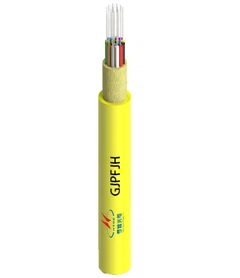


Fiber optic cables are the lifelines of high-speed internet and telecommunications, but like any technology, they can develop issues over time. Whether you're a network technician, IT professional, or just troubleshooting your home connection, knowing how to check fiber optic cable for problems is essential.
In this guide, we will walk you through the best methods to inspect, test, and diagnose fiber optic cables-ensuring optimal performance and quick problem-solving.
1. Visual Inspection: The First Step
Before diving into advanced testing, always start with a physical check.
What to Look For:
Broken or bent fibers– Even small cracks can cause signal loss.
Dirty or damaged connectors – Dust, scratches, or misalignment disrupt light transmission.
Cable jacket damage– Cuts, kinks, or corrosion weaken protection.
How to Clean Connectors:
- Use compressed air or fiber optic cleaning swabs.
- Avoid touching the fiber end face directly (oils from skin cause interference).
2. Light Source and Power Meter Testing (LSPM)
This method measures signal loss between two points.
Steps:
1. Connect a light source (laser or LED) to one end of the fiber.
2. Attach a power meter at the other end to measure light intensity.
3. Compare readings with expected values (higher loss = problem).
Best for: Quick verification of fiber continuity and attenuation.
3. Optical Time-Domain Reflectometer (OTDR) Testing
An OTDR is the most advanced tool for diagnosing fiber issues-it sends light pulses and analyzes reflections to pinpoint faults.
What an OTDR Can Detect:
Fiber breaks or cuts (sharp signal drop).
Bad splices or connectors (unexpected loss spikes).
Bending losses (gradual signal degradation).
Total cable length (helps locate faults).
How to Use an OTDR:
1. Connect the OTDR to one end of the fiber.
2. Run a test pulse and analyze the trace.
3. Look for backscatter patterns indicating issues.
Note: OTDRs require training-misinterpretation can lead to false conclusions.
4. Continuity Testing with a Visual Fault Locator (VFL)
A VFL is a simple, low-cost tool that emits a red laser to check for breaks or bends.
How It Works:
- Shine the VFL into the fiber.
- If light leaks at a bend or break, you will see a glowing spot.
Best for: Short-distance cables (up to 5 km) and quick fault detection.
5. Checking with a Fiber Optic Tester (Multimeter for Fiber)
Some testers combine power measurement, length testing, and continuity checks in one device.
Common Features:
Auto-detection of fiber type (single-mode/multimode).
Distance-to-fault estimation.
Pass/Fail indication based on industry standards.
6. Network Performance Monitoring
If you are experiencing slow speeds or dropouts, check:
- Link lights on networking equipment (no light = broken connection).
- Router/switch logs for error messages.
- Speed tests to compare with expected bandwidth.
When to Call a Professional?
While basic checks can be done in-house, complex issues (like buried cable breaks or high-loss splices) may require:
- OTDR experts for precise fault location.
- Splicing technicians to repair severed fibers.
- ISP support if the issue is outside your network.
Final Tips for Maintaining Fiber Optic Cables
Handle with care–Avoid sharp bends and excessive pulling.
Keep connectors clean– Dirty ends are the #1 cause of failures.
Use proper cable management– Protect fibers from crushing or rodent damage.
Test periodically– Preventative checks reduce downtime.
Conclusion
Checking fiber optic cables does not always require expensive tools-visual inspections, VFLs, and power meters can solve most basic issues. For deeper diagnostics, OTDR testing provides the most accurate fault detection.