

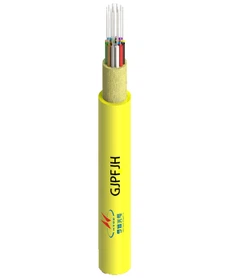


Deploying fiber optic cable underground is the preferred method for building resilient, high-capacity networks-shielding cables from weather, accidents, and degradation. But this complex process demands precision engineering and strict adherence to safety standards.Here's how it's done:
1. Planning & Route Design
-Utility mapping: Use GIS tools and "call before you dig" services (like 811 in the U.S.) to mark existing gas, water, and electrical lines.
- Soil analysis: Test soil composition (rocky vs. sandy) and water tables to determine optimal depth and cable type.
- Depth regulations: Bury cables ≥24–48 inches deep (deeper near roads/farmland) to avoid accidental damage.
2. Trenching: The Conventional Approach
Ideal for open areas with minimal obstacles.
- Process:
1. Excavators dig trenches along the planned route.
2. Bedding material (e.g., sand) is laid to cushion the cable.
3. Cable is placed, avoiding bends <20x its diameter.
4. Backfilled with soil and compacted; warning tape marks the path.
- Pros: Cost-effective for short distances.
- Cons: Disruptive to landscapes/roads; slow for urban areas.
3. Directional Drilling (HDD): Trenchless Precision
Preferred for crossing roads, rivers, or developed areas.
- Process:
1. Pilot hole drilled horizontally along a pre-engineered path.
2. Hole enlarged using reamers; drilling fluid stabilizes the bore.
3. Cable pulled through conduit (HDPE duct) via winches.
- Pros: Minimal surface disruption; handles complex routes.
- Cons: Higher cost; requires specialized drill rigs/operators.
4. Plowing: Efficiency in Rural Zones
Used in farmlands or open terrain.
- Vibratory plows cut soil, simultaneously laying cable 24–36 inches deep.
- Key: Speed-critical-deploy only with real-time depth monitoring.
5. Microtrenching: Urban-Scale Agility
Growing popularity for city streets.
- Cut a narrow trench (1–2 inches wide) in pavement edge/asphalt.
- Install microducts, insert fiber cables, and seal with asphalt/epoxy.
- Controversy: Potential pavement weakening-check local codes first.
Critical Installation Best Practices
- Conduit systems: Always use HDPE ducts for future upgrades/damage protection.
- Splicing: Place mid-span splices in watertight handholes or vaults-never buried.
- Bend management: Maintain ≥10x cable diameter bend radius; use guide pulleys during pulling.
- Tension control: Never exceed cable's max tensile load (typically 600–1,000 N).
Post-Installation Validation
- OTDR testing: Verify no fiber damage during installation (look for "gaps" in trace).
- Insertion loss: Ensure loss <0.3 dB per splice/connector (TIA-568 standard).
- Continuity checks: Test with VFL (visual fault locator) for macro-bends/breaks.
Top 3 Pitfalls to Avoid
1. Inadequate depth: Frost lines or farming equipment can crush shallow cables.
2. Poor conduit sealing: Water ingress causes ice damage or hydrogen aging.
3. Ignoring rodent protection: Metal armor or nylon yarn barriers are non-negotiable.
The Future: Automation & Smart Deployment
- Robotic cable placers: AI-guided machines for precision trenching/drilling.
- Sensor-integrated cables: Detect soil shifts or tampering in real time.
- Biodegradable ducts: Eco-friendly solutions gaining traction in the EU.
Conclusion
Underground fiber installation blends civil engineering with fiber optics expertise. While trenching remains a staple, trenchless tech like HDD and microtrenching are revolutionizing urban deployments. Success hinges on meticulous planning, cable selection, and post-deployment testing-because a buried cable isn't just out of sight; it must be beyond failure.
As bandwidth demands soar, mastering these techniques ensures your network delivers decades of seamless connectivity. Remember: Underground isn't just a location-it's a commitment to resilience.
Designing a fiber project? Consult our engineering team for terrain-specific installation strategies and compliant cable solutions.