



Optical cables are the backbone of modern communication networks, responsible for transmitting vast amounts of data with high speed and reliability. As I reflect on the essential components of these cables, it becomes clear that raw materials play a decisive role in shaping every aspect of their performance, from durability to signal clarity. Let's journey through the world of optical cable manufacturing and see exactly how raw materials set the stage for excellence-or compromise.
The Central Core: Glass or Plastic Fibers
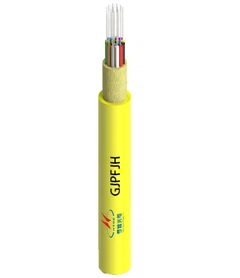
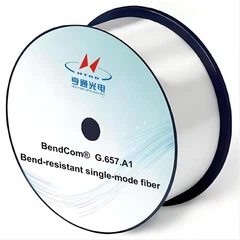
The core of any optical cable is its fiber, which guides light signals over long distances. This fiber is typically made from ultra-pure glass (silica) or high-grade plastics. When the purity of the glass is high, light loss-also known as attenuation-is minimized. Even tiny impurities can cause scattering or absorption of photons, leading to weakened signals. It's fascinating how just a trace element in the raw material can make the difference between a world-class cable and a mediocre one.
Coatings and Cladding: Safety in Layers
Beyond the core fiber, manufacturers add cladding materials, usually another layer of glass with a lower refractive index to keep the light signals trapped inside the core. The uniformity and transparency of this cladding are directly related to its raw materials. Inadequate cladding material leads to light leakage and poor transmission quality. Specialized coatings, often acrylate polymers, are then applied to protect fibers from moisture, microbends, and other mechanical stresses. The resilience and flexibility of these protective layers depend heavily on polymer purity and formulation.
Strength Members: Reinforcement Matters
To ensure that optical cables can withstand pulling and bending during installation and use, strength members such as aramid yarn (well-known under the trade name Kevlar) are embedded. The quality and tensile strength of these fibers come down to the source and treatment of the raw aramid. Flaws in the material can quickly translate into broken cables in the field-a nightmare scenario for installers and end-users alike.
Sheath and Jacket: The First Line of Defense
The outermost layers of optical cables are the sheath and jacket, usually built from polyethylene, PVC, or other robust polymers. These protect the cable from environmental hazards such as UV light, chemicals, and physical abrasion. The reliability and longevity of a cable often hinge on the durability of these materials. I'm constantly reminded how a minor compromise-like using recycled or improperly blended plastics-can lead to cracks, brittleness, or premature failure.
The Bottom Line: Raw Material Quality Sets the Benchmark
Every layer and component of an optical cable tells a story about the raw materials it came from. Superior transmission, long lifespan, and mechanical strength all start with careful selection and processing of these materials. That's why leading manufacturers invest so much effort in sourcing high-purity glass, advanced polymers, and precisely engineered reinforcements.
When evaluating optical cables, I always look beyond the surface. The invisible foundation-those raw materials-secretly define the visible performance and reliability that we all depend on in our hyper-connected world. If you wanna to know more please contact jenny@htgd.com.cn