

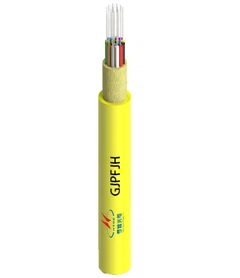


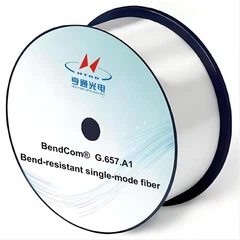
Transforming optical cables into fiber patch cords is a meticulous process that demands precision, clean environments, and proper technique at every step. I've come to appreciate that even the smallest oversight can compromise signal performance or physical reliability. Here's what I always keep front of mind when carrying out this conversion.
Preparing and Stripping the Cable
The first challenge is accurately stripping the optical cable's outer jacket and buffer layers. Using the right stripping tool is crucial; a slip or excessive force can nick or scratch the fiber core. Every millimeter of exposed fiber counts-too little, the connector won't seat properly; too much, and you invite contamination.
Cleaning: Obsessive Attention to Detail
Cleanliness can't be overstated in this process! Dust, oil, or even invisible residues can severely attenuate signal or cause connection loss. I always use isopropyl alcohol and lint-free wipes, meticulously cleaning each fiber end before proceeding. Setting up a dedicated, dust-free workspace makes a world of difference.
Cleaving for Perfect Ends
The fiber must be cleaved at a precise right angle for optimal connector performance. High-quality cleavers matter-a subpar cleave introduces excessive loss or reflection. Closely inspecting the cleaved end under magnification reveals chips, cracks, or uneven cuts that would otherwise go unnoticed.
Splicing or Connector Termination
Whether fusing fibers directly (fusion splicing) or affixing connectors, careful alignment is everything. For connectors, proper insertion depth, ferrule alignment, and adhesive quantity are critical details. There's an art to inserting the fiber-too forceful, damage occurs; too gentle, it doesn't reach the ferrule end face.
Curing and Polishing the Connector
If using adhesive-style connectors, curing must be strictly by the manufacturer's specs. After curing, fiber ends require polishing with progressively finer abrasives for a mirror-smooth finish. I remind myself that polishing residue or an uneven surface translates directly into connection loss.
Inspection and Testing
No patch cord is ready without thorough micron-level inspection and insertion loss/return loss testing. Identifying end face defects or excessive attenuation is essential before deploying any assembly. It still amazes me how visually perfect assemblies can sometimes hide subtle defects only measurable with proper testing tools.
Proper Labeling and Documentation
Finally, accurately labeling both ends and documenting the process details ensures traceability and ease of troubleshooting in future network operations-an often-overlooked detail that can save hours down the line.
Every fiber patch cord's reliability, speed, and longevity depend on relentless attention to these process details. My internal rule of thumb: if in doubt, repeat the step. In optical work, there are rarely second chances. If you wanna to know more about this question please contact with me by jenny@htgd.com.cn