

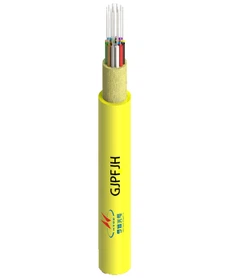


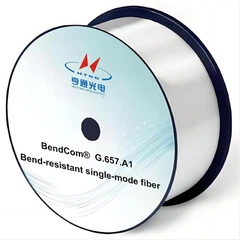
Material preparation.
Metal material: choose copper, aluminum, steel and other appropriate metal materials, used for the production of connector pins, shell and other conductive and structural components. Cut the metal material, process it into the required size and shape, trim, remove the edge burrs, and clean, to ensure that the surface is free of oil, impurities, to ensure the subsequent processing and performance.
Insulation materials: Select insulating materials such as plastic or rubber to achieve electrical insulation between the parts of the connector. Insulation materials are usually prepared before melting, extrusion or injection molding, such as drying treatment, to ensure the molding quality.
Other materials: prepare adhesive, optical fiber and other auxiliary materials, adhesive is used for fixing optical fiber and other components, optical fiber should meet the relevant optical performance and size standards.
Fiber optic processing
Optical fiber cleaning: use special cleaning agent and tools to remove the oil, dust and impurities on the surface of the optical fiber, to ensure the cleanliness of the optical fiber and avoid affecting the subsequent connection and transmission performance.
Fiber cutting: Use high precision fiber cutting tool to cut the fiber into the required length and end surface flatness. The cutting end surface should be perpendicular to the optical fiber axis to ensure the efficient transmission of optical signals.
Fiber coating: coat a protective coating on the surface of the fiber to enhance the mechanical strength and corrosion resistance of the fiber. The coating material and thickness should be selected according to the specific use environment and performance requirements.
assemble;install;packaging
Wear parts and wear optical fiber: the prepared parts such as sleeves, gaskets, etc. successively into the optical cable or optical fiber, and then the optical fiber into the ceramic core of the connector and other corresponding parts, through the fiber process to avoid optical fiber damage and air bubbles.
Curing: Apply an appropriate amount of adhesive to the connection part of the optical fiber and the connector, and then cure it to make the optical fiber and the connector firmly bind together. The curing mode can be thermal curing, ultraviolet light curing, etc., and the curing temperature, time, light intensity and other parameters should be well controlled.
Grinding: grind the cured connector end surface to achieve the required flatness, smoothness and finish to reduce the reflection and insertion loss of the optical signal. The grinding process usually uses grinding machines and grinding pieces of different grain size, operating according to a certain grinding process.
Assembly completed: the final assembly of the grinding and other processed parts, including the pin and plastic box holder, to form a complete prefabricated end connector. Ensure that the installation position of each component is accurate during the assembly
Test and packaging
Appearance inspection: check whether the surface of the connector has scratches, cracks, deformation, material shortage and other appearance defects, and whether the optical fiber is exposed, whether the connector parts are assembled in place.
Optical performance test: through the optical power meter, optical time domain reflector and other test equipment, measure the optical performance indicators such as connector insertion loss, return loss, concentricity of optical fiber end surface, to ensure that it meets the relevant standards and use requirements.
Mechanical performance test: conduct plug and pull force test and durability test of the connector, check its mechanical stability and reliability during multiple insertion and pulling, and whether it will cause damage to the optical fiber.
Packaging: Packaging prefabricated end connectors, usually in boxes, bags or trays, to prevent damage during transportation and storage. Product model, batch number, production date, quantity and other relevant information should be indicated on the package to facilitate identification and traceability.