



Optical Fibre Cables: Structure, Types, Applications, and Procurement Insights for Global Buyers

Optical Fibre Cables send data using light. This makes them very important for fast and steady communication around the world. The market is growing quickly. People want faster data and are moving away from copper cables.
The global market size was $9.9 billion in 2024.
The growth rate is 9.76% CAGR. The market may reach $27.59 billion by 2035.
|
Area Type |
Fiber Access Rate |
Subscription Rate |
|---|---|---|
|
Urban |
67.2% |
13.5% |
|
Rural |
42.1% |
13.4% |
It helps you to know about the structure, types, and ways to buy these cables. This lets you make smart choices in a fast-growing area.
Key Takeaways
- Optical fibre cables send data using light. They are faster than copper cables. They also have more bandwidth than copper cables.
- The optical fibre cable market is growing fast. It may reach $27.59 billion by 2035. People want faster internet and new technology.
- Picking the right optical fibre cable is important. Use single-mode for long distances. Use multi-mode for short distances. This helps performance and saves money.
- Quality standards and certifications matter when buying optical fibre cables. They make sure cables work well and last long.
- Knowing about local trends and market changes helps buyers. It lets them make better choices and avoid problems.
Optical Fibre Cables Overview

What Are Optical Fibre Cables
Optical Fibre Cables use light pulses to send data. These cables are very important for modern networks. They help with internet, telecom, and business systems. Copper cables do not work as fast as Optical Fibre Cables. Optical Fibre Cables can send more data at higher speeds. You can use them to send data far away without losing speed or quality.
|
Feature |
Optical Fiber Cables |
Copper Cables |
|---|---|---|
|
Bandwidth |
Larger bandwidth |
Limited bandwidth |
|
Distance |
Long-distance transmission |
Short-distance transmission |
|
Electromagnetic Interference |
Immune to EMI |
Affected by EMI |
|
Data Transmission Speed |
Up to 800 Gbps and beyond |
Up to 10 Gbps over short distances |
When you pick Optical Fibre Cables, you get many benefits. They do not get affected by electromagnetic interference. You can send more data at once. You can also send data faster and farther. These things make Optical Fibre Cables great for safe and quick communication.
Market Growth and Trends
The Optical Fibre Cables market is growing very fast. The market was $9.9 billion in 2024. It could reach $27.59 billion by 2035. The yearly growth rate is 9.76%. More people are choosing fiber instead of copper cables.
Some things help the market grow:
- Better telecom technology
- More people want fast internet
- Fiber optics used in hospitals and data centers
- Carriers and businesses need more bandwidth
- Broadband networks are getting bigger
You should know about these trends. They help you make smart buying choices. Optical Fibre Cables are very fast and reliable. That is why many buyers choose them. If you keep up with market changes, you can pick the best products and suppliers for your needs.
Structure and Types

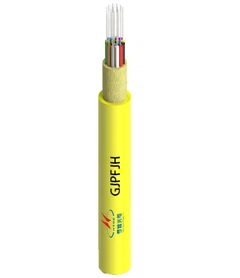
Optical Fibre Cables are built in a special way. This helps them work well and last a long time. It is important to know the main parts and types before you buy.
Core Components
Each cable has many layers. These layers keep the fiber safe and help send data well. The table below lists the main parts and what they do:
|
Component |
Role in Performance and Durability |
|---|---|
|
Cladding |
Reflects light back into the core, preventing loss and reducing signal degradation. |
|
Coating |
Protects the core and cladding from impacts and bending, ensuring efficient light transmission. |
|
Strengthening Fibers |
Protects against strain and stress, maintaining the integrity of the fiber core for high data rates. |
|
Outer Jacket |
Shields the fiber from environmental damage, enhancing overall durability. |
The materials in these layers change how the cable works and how long it lasts. Glass fibers are good for sending data far with little signal loss. Plastic fibers are better for short distances but lose more signal. Jackets made from acrylate polymer or polyimide keep out water and stand up to heat and cold. Strength members like Kevlar or steel wire make the cable strong and bendy.
|
Material Type |
Effect on Signal Transmission and Longevity |
|---|---|
|
Glass (Silica-based fibres) |
Enables long-distance communication with minimal signal loss due to high clarity. |
|
Plastic (Plastic Optical Fibre) |
Suitable for short distances; less effective for long-distance due to higher signal attenuation. |
|
Glass (Silica-based cladding) |
Lower refractive index enhances light transmission, reducing signal loss. |
|
Fluorine-doped Glass |
Minimizes signal loss, ensuring clearer signals. |
|
Polymer-based Cladding |
Increases flexibility but leads to higher signal attenuation over long distances. |
|
Acrylate Polymer Coatings |
Protects against moisture and physical damage, enhancing longevity. |
|
Polyimide Coatings |
Provides protection in extreme environments, ensuring durability. |
|
Kevlar |
Offers lightweight and flexible protection against strain and damage. |
|
Steel Wire |
Adds durability for high-tension applications, ensuring longevity. |
|
Dielectric strength members |
Provides structural support while maintaining flexibility, enhancing overall cable longevity. |
Tip: Always check what the cable is made of before you buy. Good materials mean the cable will work better and last longer.
Single-Mode Cables
Single-mode cables have a very thin core. The core is about 8 to 10 microns wide. Only one light mode can travel through the core. This stops signal loss and keeps the signal clear. Single-mode cables are best for sending data far.
|
Characteristic |
Description |
|---|---|
|
Core Diameter |
Typically 8 to 10 microns, allowing only one light mode to propagate. |
|
Signal Attenuation and Interference |
Reduced due to the design, making it ideal for long-distance transmission. |
|
Applications |
Commonly used in telecommunications, internet backbones, and advanced data center networks. |
You will see single-mode cables in:
- Telecommunications
- Internet backbones
- Data centers
Single-mode cables cost more. They use lasers and better materials. Pick single-mode cables if you need to send lots of data far away.
Multi-Mode Cables
Multi-mode cables have a bigger core. The core is usually 50 to 62.5 microns wide. Many light modes can travel through the core. This lets them send lots of data over short distances. But they lose more signal if you use them for long runs.
|
Feature |
Single-Mode Fiber |
Multi-Mode Fiber |
|---|---|---|
|
Bandwidth |
Wideband |
Higher bandwidth over shorter distances |
|
Transmission Distance |
Long distance communication |
Short distance communication |
|
Cost |
Higher due to laser sources |
Lower due to LED sources |
|
Core Diameter |
8-10 micrometers |
50-62.5 micrometers |
|
Modes of Transmission |
Allows only one mode |
Allows multiple modes |
Multi-mode cables are good for:
- Local area networks (LANs)
- Short data runs
- Offices and school campuses
Pick multi-mode cables if you want fast data in a small area and want to save money.
Specialty Cables
Specialty optical fibre cables are made for tough jobs. These cables are extra strong and can handle water and heat.
Some special features are:
- Made for hard conditions
- Extra strong
- Resist water and rust
- Can take high heat
Industries that use specialty cables:
- Factories
- Outdoor jobs
- Military and defense
- Oil and gas work
- Laser surgery and high power lasers
- Cars and airplanes
Pick specialty cables if your project is in a rough place or needs extra safety. For example, outdoor or military jobs need cables that can handle water, chemicals, and big temperature changes.
Note: Things like heat and wetness can make cables wear out faster. If you keep cables in good places, they last longer. Bad weather and chemicals can make them break down sooner.
Choosing the Right Cable Type
When you pick Optical Fibre Cables, think about these things:
- Choose the fiber type and length for how far you need to send data.
- Pick the right jacket for inside or outside, and check if it bends or resists fire.
- Make sure the connector fits your equipment.
- Count how many fibers you need for your job.
New cable designs, like wavelength division multiplexing and high-density connectors, help you get faster data and better connections. Ultra-high capacity fibers and photonic integrated circuits also help you grow your network.
If you want fast, strong, and future-ready connections, pick the cable that fits your project's place and needs.
Applications
Optical Fibre Cables are used in many fields. They are important in telecom, data centers, factories, hospitals, defense, and new tech. The table below shows which jobs use the most fiber and why they need it:
|
Industry |
Market Share (%) |
Primary Driver of Demand |
|---|---|---|
|
Telecommunication |
29.5 |
5G needs fast speeds and low delay |
|
Power Utilities |
N/A |
Smart grids need better ways to talk |
|
Defense/Military |
14.2 |
Secure, fast systems are needed |
|
Industrial |
N/A |
Automation and monitoring need strong connections |
|
Medical |
N/A |
Used for tests because it bends and sends light well |
Telecom and Data Centers
People use Optical Fibre Cables for fast internet and cloud storage. Fiber gives quick, safe, and steady links between computers and data centers. Here are some things that make fiber special:
|
Aspect |
Description |
|---|---|
|
Security |
Hard to break into, keeps data safe |
|
Bandwidth |
Sends lots of data far away |
|
Efficiency |
Keeps signals strong for fast links |
|
Scalability |
Easy to upgrade for more speed |
|
Energy Efficiency |
Uses less power than copper, saves money |
Fiber helps with cloud work, smart computers, and backup plans.
It keeps your data safe from hackers and spying.
Industrial and Manufacturing
Factories use fiber to control machines and watch systems. You get these benefits:
- Sends data fast for real-time control.
- Works well near big machines.
- Keeps information safe when sent.
- Lasts in places with heat or chemicals.
- Cables are small, light, and safe to use.
- Fiber helps your factory work well, even in hard places.
Healthcare and Defense
- Hospitals and army bases need fiber for important jobs.
- In hospitals, fiber helps with pictures, tiny cameras, and laser tools.
- Hospitals use fiber for quick messages and sharing data.
- In defense, fiber helps with safe systems and team work.
- You get better safety and strong, safe messages.
Emerging Uses
- New jobs make more people want Optical Fibre Cables.
- Smart cities use fiber for traffic and safety.
- IoT connects smart homes and makes factories better.
- AR/VR needs fast fiber for games and training.
Tip: Fiber saves energy and lasts a long time, so you spend less and help the planet.
Procurement Insights

Quality Standards
When you buy Optical Fibre Cables, you must check quality standards. These rules help you get cables that last and work well. Look for certifications from trusted groups. Certifications mean the cables passed tests for strength and safety.
|
Standard |
Description |
|---|---|
|
ASTM |
Sets testing standards for materials and products. |
|
CSA |
Offers global certifications for safety and quality. |
|
FOA |
Focuses on installation practices and technician certification. |
|
IEC |
Provides standards for electronics and communications. |
|
IPC |
Develops cleaning and handling standards for cables. |
|
MIL-STD |
Sets military connector standards for durability. |
|
NASA |
Uses technical standards for space and research needs. |
|
SAE International |
Covers connectors for cars, planes, and other industries. |
|
SMPTE |
Sets standards for broadcast and production connectors. |
You should also look for these international certifications:
- ISO 14001 checks if the company protects the environment.
- ISO 45001 makes sure workers are safe at work.
- ISO/IEC 24702 gives rules for fiber in tough places.
Quality rules are important. They make sure your cables work well and last long. If you follow these rules, you lower the chance of signal loss. This keeps your network working and saves money.
Tip: Always ask for proof of certification before you buy. Certified cables help you avoid repairs and downtime.
Supplier Evaluation
Picking the right supplier is very important. You need to see if the supplier can give you good cables on time. Use clear rules to compare suppliers and lower risks.
|
Criteria |
Description |
|---|---|
|
Supplier Evaluation Metrics |
Check reliability, delivery speed, and product quality. |
|
Procurement Best Practices |
Use clear contracts and set performance goals. |
|
Risk Management Strategies |
Identify risks like late delivery or poor quality, and plan how to handle them. |
|
Subcontractor Management |
Make sure all subcontractors follow the same standards as main suppliers. |
|
Early Supplier Involvement |
Work with suppliers early to improve planning and solve problems before they happen. |
You should:
- Visit the supplier's factory if you can.
- Ask for samples and test them.
- Check the supplier's history and reviews.
- Use data to watch how the supplier does over time.
Note: Working with suppliers early helps you find problems before they hurt your project.
Market Risks and Challenges
There are many risks when you buy Optical Fibre Cables from around the world. These risks can change prices, delivery, and quality. You need to know about these problems to make smart choices.
|
Challenge Type |
Description |
|---|---|
|
Raw Material Supply Challenges |
Unstable supply chains for fiber preforms can cause price changes and delays. |
|
Technical Bottlenecks |
Problems with new technologies like hollow-core fiber slow down production and raise costs. |
|
Market Competition Challenges |
Price wars and fewer suppliers make it harder to get good deals and reliable products. |
You can handle these risks by:
- Using more than one supplier.
- Making long contracts to keep prices steady.
- Watching the market and changing your plans fast.
Alert: Always have backup suppliers and watch for new technology. This helps you avoid delays and extra costs.
Regional Trends
- Where you buy cables can change the price and how you buy. Asia-Pacific is growing fast, with a 7% to 9% growth rate from 2024 to 2029. Governments spend money on broadband and smart cities, so more people want fiber cables.
- Government programs in Asia-Pacific make more people buy fiber.
- Cities in Japan and South Korea need more fiber for new plans.
- Factories close to raw materials can give better prices.
You also need to watch for tariffs and local rules. These can make cables cost more and make it hard to compete. Changes in trade rules can make prices go up and down.
- Tariffs can make imported cables cost more.
- Local rules may help local suppliers.
- Changing trade rules can make long deals risky.
Tip: Learn about local rules and trends before you buy. This helps you get good prices and avoid problems.
Data-Driven Procurement Strategies
You can use data to make better buying choices. Data helps you watch suppliers, compare costs, and find risks early.
|
Evidence Type |
Description |
|---|---|
|
Supplier Performance Management |
Track and monitor suppliers to ensure quality and compliance. |
|
Cost Analysis |
Calculate the total cost of ownership to see long-term savings. |
|
Risk Management Framework |
Identify supply chain risks and plan how to avoid them. |
You should use software to collect and study data. This helps you pick the best suppliers and get good deals. Using data lowers your risks and helps you do better.
Callout: Use data to help every step of your buying process. This gives you more control and helps your business grow.
Knowing about optical fibre cables' structure, types, and uses helps you make good choices in a market that changes fast. Single-mode and multimode fibers are used for different jobs. Multimode fibers are picked more in places like hospitals and car factories because they cost less. The telecom industry needs more cables as people want faster data. If you keep up with new trends and check how suppliers do, you can find new chances and avoid problems.
To make smart choices for the future, talk to experts or trusted suppliers. They can tell you about new trends, good suppliers, and ways to avoid risks. This helps you get strong, high-quality cables for your business.
FAQ
Why should you choose optical fibre cables over copper cables?
Optical fibre cables let you send more data at once. They are faster than copper cables. They keep your information safer. They do not get messed up by electromagnetic interference. You can send data much farther with them. These things help your business do well in today's digital world.
Why do single-mode and multi-mode cables serve different applications?
Single-mode cables are good for sending data far and fast. Multi-mode cables work best for short distances and lots of data. You pick the type based on how big your network is, how fast you need it, and how much you want to spend.
Why do material choices impact cable performance and durability?
The materials in a cable change how well it works. Good glass fibers lose less signal over long distances. Kevlar and polyimide coatings make cables stronger and safer. Picking the right materials helps your cables last longer and work better.
Why do global buyers need to verify supplier certifications?
Certifications show that cables are safe and high quality. They help you avoid problems, like cables breaking or not working. Always ask for proof before you buy cables.
Why is it important to monitor regional trends in the optical fibre cable market?
Regional trends can change prices, supply, and rules. Knowing about local needs, taxes, and laws helps you buy smarter. This way, you can make better choices when you buy cables.
For more facts and trusted sources, check the notes at the end of this article.