






Imagine your network project stops working because of bad cable quality or late deliveries. You need to pick an Optical Fibre Cable supplier who follows strict rules and helps you reach your goals. Think about these important things:
- Follows industry rules and has certifications
- Offers many products and keeps them in stock
- Has cables that last long and work well
- Gives good warranties and technical help
- Has fair prices and helps you save money
- Delivers on time and manages supplies well
- Has a good name and happy customers
Tip: Use these things to avoid problems and get the best deal for your business.
Key Takeaways
- Pick suppliers who have industry certifications. This helps make sure you get good quality and follow rules. It also lowers the chance of network problems.
- Check what other clients say about the supplier. Look at how long they have worked in the industry. A supplier with a good name gives you products you can trust. They also give helpful support.
- Make sure you understand how the prices work. Clear prices help you see all costs. This way, you can plan your budget and avoid surprise fees.
- Think about how fast the supplier can deliver. Also, check if they help you after you buy. Fast delivery and good support are important for your project. They help keep your network working well.
- Pick the cable type that fits your needs. Each cable has a special use. Make sure the cable works with your current systems.
Optical Fibre Cable Quality
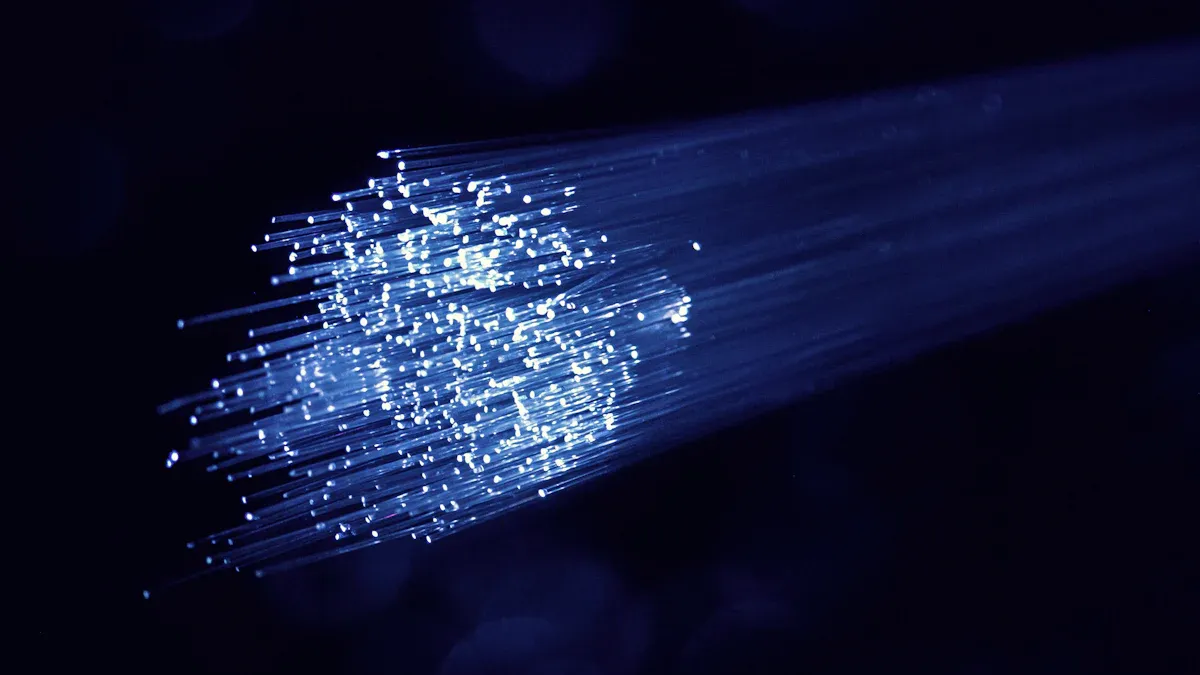
Quality is the most important thing when picking a optical fibre cable supplier. Good cables help your network work well and last a long time. They also stop interference. You should check for certifications, rules, and what materials are used to make the cables.
Certifications & Compliance
Certifications and rules show a supplier follows tough industry standards. If you pick a supplier with good certifications, your network is less likely to have problems. Your project will also meet the right rules.
|
Certification Name |
Description |
|---|---|
|
Fiber Optics and Data Cabling |
Made for technicians who work outside, focusing on the first layer of the OSI model. |
|
Fiber Optic Installer (FOI) |
Well-known certification for people who install and fix fiber optics. |
|
Fiber Optic Association (FOA) Certifications |
Includes skills, applications, and design certifications for different fiber optic jobs. |
|
FOA Specialist Certifications |
Shows knowledge in skills, applications, and design areas. |
|
Skills-based Certifications |
Hands-on work for putting in networks, splicing, and testing. |
|
Applications-based Certifications |
Focuses on special jobs like FTTH and optical LANs. |
Tip: Always ask your supplier to show their certifications. This helps you avoid problems with rules later.
Following world standards like ISO/IEC 11801 and TIA/EIA-568 is very important. These rules tell you how to install and test optical fibre cable. If you use cables that follow these rules, you get many benefits:
- Compatibility: Parts from different brands work together.
- Reliability: Cables work well in many places.
- Easier Installation: Clear steps for cable setup and connectors.
- Easier Testing: Simple checks make fixing problems easier.
Here is a quick chart for performance standards:
|
Fiber Type |
Wavelength (nm) |
Max Attenuation Coefficient (dB/km) |
Bandwidth (MHz-km with overfilled launch) |
|---|---|---|---|
|
50/125 (OM2, OM3, OM4) |
850 |
3.5 |
500 (OM2), 2000 (OM3), 3500 (OM4) |
|
1300 |
1.5 |
500 |
|
|
62.5/125 (OM1) |
850 |
3.5 |
160 |
|
1300 |
1.5 |
500 |
|
|
Singlemode (OS1, OS2) (Premises) |
1310 |
1.0 |
NA |
|
1550 |
1.0 |
NA |
|
|
Singlemode (OS1, OS2) (Outside Plant) |
1310 |
0.5 |
NA |
|
1550 |
0.5 |
NA |
Materials & Manufacturing
The materials and how the cable is made affect how strong it is. They also affect how well it sends signals. Pick suppliers who use good core and cladding materials. These parts help the cable send signals well.
Coating and jacketing keep the cable safe from bad weather. Good jackets stop water, heat, cold, and animals from hurting the cable.
Strong testing makes sure the cable can handle being bent or pulled and still work.
Some common problems are:
- Very hot or cold weather can hurt cables.
- Water can make cables break down.
- Animals can chew on cables.
- Rough handling or building work can break cables.
- Bending cables too much can cause signal loss.
- Loose or broken connectors can mess up the network.
- Bad materials make cables easier to damage.
Note: Optical fibre cable does not get as much interference from other signals as copper cables. This means your network works better, even over long distances.
When you check suppliers, ask about their tests and what materials they use. Good suppliers will tell you about their quality checks and show you test results. Picking the right materials and making process helps your optical fibre cable last longer and work well.
Supplier Reputation
Picking a supplier with a good reputation helps you avoid big mistakes. You want a partner who keeps promises and helps your business grow. A supplier's reputation shows how well they do their job and how much people trust them.
Industry Experience
You should check how long a supplier has worked in the optical fibre cable industry. Suppliers with lots of experience know how to fix problems and handle hard projects. For example, Rayoptic has worked in telecommunications for over 15 years. This kind of experience means the supplier knows new technology and can give you good solutions. Big suppliers like CommScope, Corning, and Fujikura have strong market presence because they keep making good products and new ideas.
Tip: Suppliers with many years of experience usually give better help and more reliable products.
When you compare suppliers, look for these signs of a good reputation:
- Product quality
- Reliability
- Customer support
- Innovation
- Market presence
A supplier with a good history makes you feel sure about your choice.
Client Feedback
Client feedback helps you see how a supplier really works. You should read what other customers say and look at case studies to learn about real projects. Good feedback from other businesses shows the supplier gives quality and finishes work on time.
Here is a quick chart to show how client feedback and case studies help you check if a supplier is reliable:
|
Evidence Type |
Description |
|---|---|
|
Client Testimonials |
Real feedback from customers that shows satisfaction and product quality. |
|
Case Studies |
Stories about successful projects that show the supplier's skills and reliability. |
|
Industry Experience |
Years of work and new ideas that help people trust the supplier. |
You should ask for references and look at old projects. This helps you see if the supplier can meet your needs and fix problems fast. Good suppliers share their success stories and let you talk to happy clients.
Technical & Installation Factors
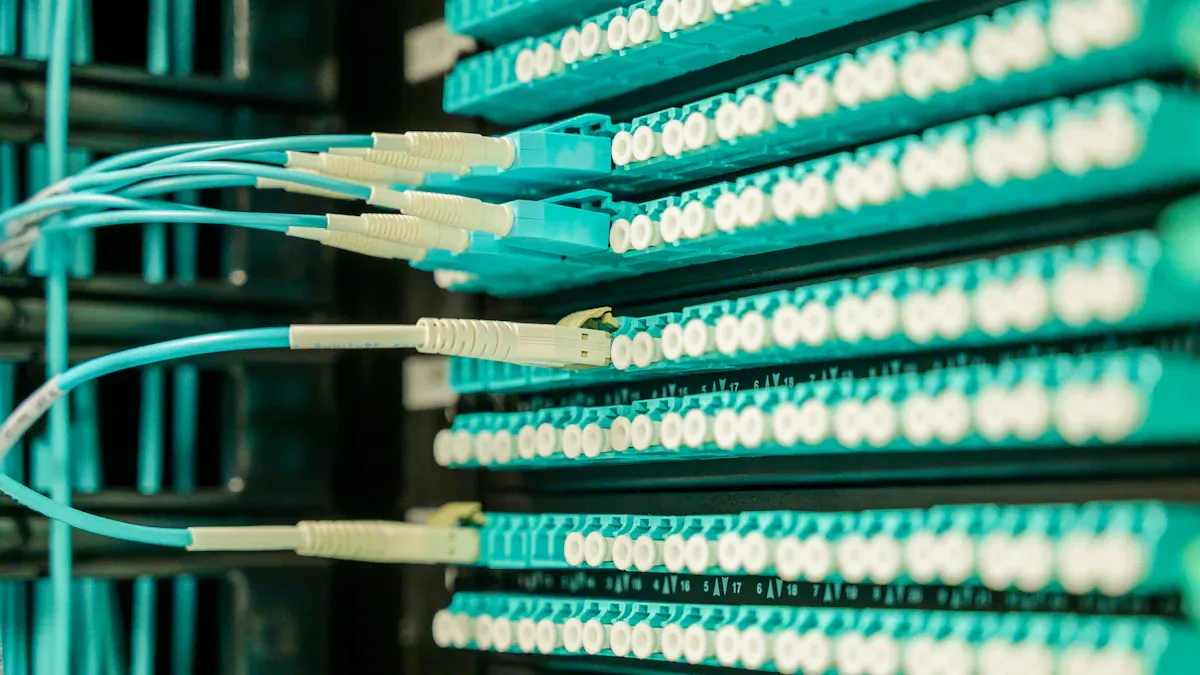
Picking the right cable and how you install it is very important. If you choose wrong, your network might not work well. You need to think about what your business needs now and later. You should also look at where the cables will go.
Cable Type & Compatibility
There are different optical fibre cables for different jobs. Each one is good for something special:
- Single-Mode Fiber (SMF): Good for long distances and big networks.
- Multi-Mode Fiber (MMF): Works best for short, fast links in data centers.
- Ribbon Fiber: Great for places with lots of cables, like big schools or offices.
- Armored Fiber: Strong and safe for cables underground or outside.
- Tight-Buffered Fiber: Used inside buildings or between racks.
Tip: Make sure your cables work with what you already have. If your cables are organized, it is easier to fix problems. Using standard cables helps you save money later. You will not need to buy new ones soon.
When you pick a cable, think about how many fibers you need. Look at what kind of connectors and jackets you want. Armored cables are good outside or in factories. Tight-buffered cables are better for offices. Picking the right cable helps your network work better and makes fixing things easier.
Installation & Flexibility
How you put in the cables can change how much you spend. You must be careful not to bend cables too much. If you do, they can break or lose signal.
|
Fiber Type |
Minimum Bend Radius (mm) |
Notes |
|---|---|---|
|
Single-mode |
20 |
Ask the maker for the exact number. |
|
Multimode |
30 |
Ask the maker for the exact number. |
|
Bend insensitive |
10 × outer diameter |
Good for small or tight spaces. |
- Do not bend cables more than 10 times their thickness.
- If you pull on the cable, use 20 times the thickness.
- Always check what the maker says.
Note: When pulling cables, use 20 times the thickness. After you finish, 10 times the thickness is safe for a long time.
How you install cables changes the price. Putting cables underground costs more because you need strong cables and must dig. Hanging cables in the air is cheaper but needs more fixing later. In cities, it costs more because it is harder to put cables in.
You should plan for how far your network goes and how fast it needs to be. Think about the light signal and power you need. These things help you pick the right cable. Good planning saves money and helps your cables last longer.
Pricing & Value

Transparent Pricing
When you pick an optical fibre cable supplier, you need prices that are easy to understand. Clear prices help you look at different choices and spot hidden fees. Good suppliers give you quotes that show every cost. You can see what you pay for, like materials, making the cables, shipping, and support.
Here is a simple chart showing the usual price range for good optical fibre cables per meter:
|
Type of Fiber Optic Cable |
Price Range (per meter) |
|---|---|
|
Singlemode Fiber |
$0.30 - $1.50 |
|
Multimode Fiber |
$0.20 - $1.00 |
|
Armored Fiber Optic Cable |
$1.00 - $5.00 |
|
ADSS Fiber Optic |
$2.00 - $10.00 |
|
OPGW Fiber Optic |
$3.00 - $30.00 |
|
Submarine Optical Fiber |
$10.00 - $500.00 |
Tip: Always ask for a full price list. Check if there are extra fees. This helps you plan your money and avoid surprises.
Cost vs. Performance
You want to get the most for your money. Do not just pick the cheapest option. Try to balance price with how well the cable works and how long it lasts. Top suppliers may cost more at first, but their cables last longer and break less. This means you save money later because you do not fix them as much. Cheaper suppliers might seem better, but their cables can break more and cost you more in repairs.
When you look at suppliers, think about these things:
- Make sure the cable fits your job and where you use it.
- Look at how many fibers, what jacket it has, and the connector type.
- Think about how far your network goes and how fast it needs to be.
- Look at the total cost, not just the first price.
Small changes in design can change the price and how well the cable works. For example, armored cables cost more but protect better in tough places. Multimode cables cost less but may not work for long distances.
Note: Picking the right optical fibre cable supplier is not just about price. Think about quality, help, and long-term value to get the best for your business.
Delivery & Support
Picking a supplier with good delivery and support is very important. You want your cables to come on time and in good shape. If something goes wrong, you need help fast. Good delivery and careful handling keep your project safe and on schedule.

Lead Times
Always ask about lead times before you buy anything. Big suppliers sometimes take a long time to send optical fibre cables. You might wait 20 weeks or even more than a year for small orders. If you do not plan for this, your project could be delayed and cost more.
Tip: Ask your supplier for a clear delivery plan and updates. This helps you know what to expect and keeps your project moving forward.
If your supplier is late or does not talk to you, your business can lose time and money. The table below shows some delivery problems and how to fix them:
|
Challenge |
Solution |
Outcome |
|---|---|---|
|
Lack of Transparency |
Set clear goals and check progress often. |
You see what is happening and can handle risks better. |
|
Slow Speed to Market |
Make a good project plan and watch the details. |
You finish projects faster and stay ahead of others. |
You should also check how your supplier packs and ships cables. Good packaging stops cables from getting damaged. Ask if they use strong reels, keep out water, and label things clearly.
After-Sales Service
After-sales support is just as important as delivery. Even the best cables can have problems after you put them in. You need a supplier who gives quick help, clear warranties, and technical support.
- Some problems you might see are:
- Broken fiber from bending
- Cables that come apart
- Signal loss from long cables
- Bad connectors or splices
- Weak signal power
- Patch panel problems
- Dust, fingerprints, or wetness
- Scratched connectors
A good supplier helps you fix these problems fast. They give you guides, spare parts, and expert help. Always check the warranty and ask how fast they answer support requests.
Note: Good after-sales service means less downtime and keeps your network safe. Pick a supplier who helps you at every step and stands by their products.
Here is a checklist to help you pick the right optical fibre cable supplier for your company:
|
Criteria |
What You Should Do |
|---|---|
|
Quality Standards |
Ask for their certification papers. |
|
Production Capacity |
Find out how much they can supply and how fast. |
|
Pricing Transparency |
Ask them to show you all the costs. |
|
Communication Skills |
See how quickly they answer your questions. |
|
Logistics & Shipping |
Talk about how and when they will ship your order. |
|
Customer Support |
Learn about their help and warranty after buying. |
Note: These tips use trusted industry rules and real facts. Follow these steps to get strong, high-quality optical fibre cable for your needs.
FAQ
Why should you choose a supplier with industry certifications?
Suppliers with certifications show they follow important rules. You get optical fibre cable that is safe and works well.
Tip: Certified suppliers help stop big network problems.
Why does supplier reputation matter for B2B buyers?
A good reputation means you can trust the supplier. You get good products and helpful service.
Happy customers mean your business has fewer problems.
Why is transparent pricing important when selecting an optical fibre cable supplier?
Transparent pricing lets you see every cost right away. You will not find surprise fees and can plan your money.
Always ask for a full price list before you buy.
Why do lead times affect your project success?
Short lead times help your project finish on time. Delays can cost money and hurt your business.
Ask about delivery times before you order anything.
Why should you care about after-sales support from your supplier?
Good after-sales support helps you fix problems quickly. You get help with technical issues and warranty.
Good support keeps your network working well.