



In modern communication and networking technologies, optical cables (fiber-optic cables) play a crucial role. They transmit data at extremely high speeds, boasting low attenuation and high bandwidth, making them the preferred choice for long-distance communications, data centers, and high-speed internet connections. However, despite their superiority to traditional copper cables in many aspects, optical cables can also suffer from issues. This article will explore whether optical cables can go bad and the common causes of degraded performance.
The Structure and Working Principle of Optical Cables
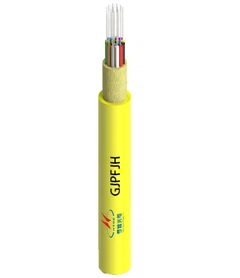
Optical cables consist of a core, cladding, and jacket. The core, typically made of high-purity silica (glass), has a diameter of just a few micrometers to tens of micrometers. The cladding surrounds the core and has a slightly lower refractive index than the core, ensuring that light travels through the core via total internal reflection. The jacket provides additional protection, safeguarding the fiber from physical damage and environmental factors.
When light enters an optical fiber from one end, it travels through the core via total internal reflection to the other end. This transmission method allows optical fibers to support extremely high data transmission rates with minimal signal attenuation.
Causes of Optical Cable Damage
Despite their many advantages, optical cables can be affected by various factors leading to decreased performance or damage. Here are some common causes of optical cable deterioration:
Physical Damage:
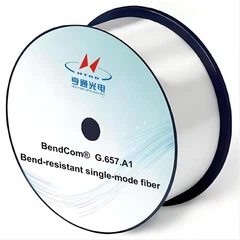
Excessive Bending: When optical fibers are bent with too small a radius, it can cause light to scatter or leak within the core, reducing transmission efficiency.
Crushing or Cutting: Excessive crushing or cutting of optical fibers can result in core breakage, preventing light from being transmitted.
Wear and Tear: Prolonged use and friction can lead to wear on the optical fiber jacket, exposing and damaging the core.
Environmental Factors:
Temperature Changes: Extreme temperature fluctuations can cause optical fiber materials to expand or contract, affecting their transmission performance.
Humidity and Contamination: Exposure of optical fiber surfaces to moisture, dust, or other contaminants can lead to light scattering or absorption, reducing signal quality.
UV Radiation: Prolonged exposure to UV radiation can cause optical fiber materials to degrade, shortening their lifespan.
Connection Issues:
Loose or Dirty Connectors: Loose or contaminated optical fiber connectors can cause attenuation or reflection of the optical signal at the connection point.
Incorrect Installation: Improper installation of optical fiber connectors can result in uneven fiber end faces, affecting light transmission.
Detecting and Repairing Optical Cables
When optical cables experience issues, professional detection tools are typically used to locate the problem. These tools diagnose optical fiber performance by measuring parameters such as attenuation, reflection, and scattering of the optical signal. Once the problem is identified, corresponding repair measures can be taken, such as replacing damaged fiber sections, cleaning connectors, or reinstalling connectors.
Preventive Measures
To extend the lifespan of optical cables and reduce the risk of damage, the following preventive measures can be taken:
Maintain Appropriate Bend Radius: Ensure that the bend radius of optical fibers complies with the manufacturer's specifications during installation and use.
Avoid Physical Damage: Avoid excessive crushing or cutting of optical fibers during installation and handle them carefully to prevent rough operations.
Control Environmental Factors: Install optical fibers in environments with stable temperatures, moderate humidity, and no contamination to minimize the impact of environmental factors on fiber performance.
Regular Inspection and Maintenance: Regularly clean and inspect optical fiber connectors and the entire system to ensure good connections and stable performance.
Conclusion
In summary, optical cables can indeed suffer from damage or degraded performance due to various reasons. However, by understanding the structure and working principle of optical fibers, identifying potential problem sources, and taking appropriate preventive and repair measures, we can maximize the lifespan of optical cables and ensure their stable and reliable performance. In modern communication networks, maintaining the good condition of optical cables is crucial for ensuring the quality and efficiency of data transmission.