

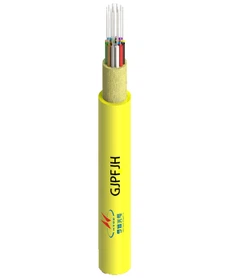


As the key access part of modern communication network, the construction quality is directly related to the stability and reliability of network transmission. The following is from the optical cable selection, laying tension control, bending radius requirements, laying mode selection, construction environment requirements, connection mode problems, reservation and fixed management, as well as safety protection measures, the butterfly shape into the optical cable construction problems may be encountered in detail
Optical cable type selection problem
Selection principle: the selection of butterfly entry and light entry should be comprehensively considered according to the use scenario, transmission distance, bandwidth requirements and environmental conditions. Common butterfly shape light has single core, double core, multi-core, etc., the material is divided into indoor and outdoor type, should be selected according to the specific needs.
Performance matching: to ensure that the attenuation, tensile strength, flame retardant grade and other performance indicators of the selected optical cable meet the requirements of the project, and to avoid the subsequent transmission problems caused by using unqualified products.
Laying the tension control
Tension control: In the process of number setting, the optical tension should be strictly controlled to avoid the optical fiber fracture or performance decline caused by overstretching. It is recommended to use professional smooth traction tools to set a reasonable traction force and speed.
Tension monitoring: For laying in long distance or complex environment, a tension monitoring device should be set up to monitor the tension of optical cable in real time to ensure that it is within the safe range.
Bending radius requirements
Minimum bending radius: the bending radius of the butterfly optical cable should not be less than the specified minimum value, so as to avoid the microbending loss due to excessive bending of the optical fiber, which will affect the quality of signal transmission. Bending management: in the corner, door frame, and other positions, a special bending protective cover or guide groove should be used to ensure that the optical cable bending meets the specification requirements.
Selection of laying mode
Indoor number: indoor number can be concealed wiring (such as ceiling, wall interior), open line number (such as along the wall, along the floor line) and other ways, need to consider the beauty and practicality.
Outdoor laying: outdoor laying should consider waterproof, sunscreen, animal biting and other factors, overhead, underground pipeline, fixed along the wall can be selected.
Construction environment requirements
Environmental humidity: avoid construction in high humidity environment to prevent the performance of optical cable affected by damp.
Temperature control: the construction environment temperature should be kept within the allowable working range of the optical cable to avoid extreme high temperature or low temperature operation.
Cleanliness: keep the construction area clean and avoid dust and debris pollution.
The succeeded mode problem is the succeeded process:
Use high quality connection tools and materials to follow the standard continuity process to ensure the minimum loss of the connection point. Continuous protection: After the connection, a special connection box or protective cover should be used to prevent water vapor intrusion.
Reserved and fixed management
Reserved length: reserve sufficient length of optical cable at turning and joints for future maintenance and replacement. Fixed method: use special optical cable clips, hooks or wire clips to ensure that the optical cable is stable and not shaking on the laying path.
Safety and protection measures
Personal protection: construction personnel should wear protective glasses, gloves and other personal protective equipment to avoid injury.
Electrical safety: in the construction of areas involving electrical lines, ensure a safe distance between optical cable and power line to avoid the risk of electric shock. Environmental protection: pay attention to protect the environment during the construction process to avoid soil and water pollution caused by optical cable waste.