



What is fiber to the home?
Fiber to the home (FTTH) represents a direct optical fiber connection from a service provider's network to individual residences, enabling unprecedented internet speeds and reliability. In 2024, U.S. fiber deployments reached a record 10.3 million homes passed, bringing the total to 88.1 million homes with fiber access (Source: fiberbroadband.org, 2025). Unlike traditional copper-based connections, FTTH uses thin glass strands to transmit data as pulses of light, achieving speeds up to 100 times faster than DSL while maintaining consistent performance regardless of distance.
The technology addresses a fundamental shift in how we consume digital content. With the global FTTH market valued at $56.03 billion in 2024 and projected to reach $110.44 billion by 2030 (Source: grandviewresearch.com, 2024), this infrastructure has become essential for supporting remote work, 4K streaming, online gaming, and smart home ecosystems that define modern connectivity.
How Fiber Optic Technology Actually Works

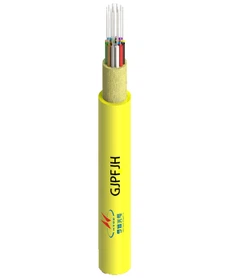
The science behind FTTH centers on total internal reflection-a phenomenon where light signals bounce through microscopic glass cores measuring thinner than a human hair. These optical fibers consist of three main components: the core (where light travels), cladding material (which reflects light back into the core), and a protective buffer coating.
When you send data through a fiber connection, electrical signals from your device convert into light pulses using a laser or LED. These pulses travel through the fiber at approximately 200,000 kilometers per second-about two-thirds the speed of light in a vacuum. Because light doesn't degrade as quickly as electrical signals in copper wire, fiber maintains signal strength over distances exceeding 20 kilometers without needing amplification.
Single-Mode vs. Multi-Mode Architecture
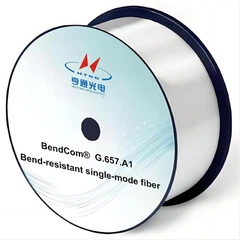
FTTH networks primarily use single-mode fiber, which transmits one light signal through a narrow 9-micron core. This configuration enables long-distance transmission with minimal signal loss. Multi-mode fiber, with its larger 50-62.5 micron core, carries multiple light signals simultaneously but works best for shorter runs within buildings.
The passive optical network (PON) architecture dominates residential deployments. XGS-PON technology became the industry standard in 2023, offering symmetrical download and upload speeds of up to 10 Gbps (Source: ppc-online.com, 2024). This approach uses unpowered optical splitters to divide one fiber line among multiple homes, reducing infrastructure costs while maintaining impressive performance.
Speed Comparison: FTTH vs. Traditional Connections

The performance gap between fiber and legacy technologies reveals why deployment has accelerated so dramatically. Here's what separates FTTH from alternatives:
DSL connections deliver download speeds between 1-35 Mbps and upload speeds of 1-10 Mbps, while cable internet reaches 10 Mbps to 1 Gbps but experiences slowdowns during peak usage times (Source: broadbandnow.com, 2025). Fiber commonly provides 250 Mbps to multi-gigabit speeds with symmetrical uploads and downloads-meaning a 1 Gbps fiber connection offers 1 Gbps in both directions.
This symmetry matters tremendously for contemporary internet use. Video conferencing, cloud backups, content creation, and live streaming all require substantial upload bandwidth that cable and DSL simply can't match. A household with four people on simultaneous Zoom calls would struggle with DSL's 2 Mbps upload but wouldn't notice any lag on fiber's symmetrical connection.
Latency and Reliability Advantages
Fiber internet provides much lower latency than DSL due to faster and more efficient data transfer through fiber-optic cabling (Source: gatewayfiber.com). For competitive online gaming, this translates to reaction times measured in single-digit milliseconds rather than 20-50ms typical of cable connections.
The electromagnetic immunity of glass fibers provides another critical advantage. Copper cables experience interference from nearby power lines, radio signals, and lightning strikes. Fiber remains unaffected, delivering consistent performance regardless of weather conditions or electromagnetic environments.
FTTH Success: The Chattanooga Model

EPB of Chattanooga became the first provider in the United States to offer 1 gigabit-per-second internet to more than 175,000 homes and businesses in September 2010, earning the city the nickname "Gig City" (Source: wikipedia.org, 2025). The municipal utility invested in a 9,000-mile fiber network that transformed the region's economic landscape.
An independent 2021 study documented $2.69 billion in community benefits during the first ten years after EPB built the fiber network, generating an estimated 9,516 jobs and $244 million in business ventures (Source: wikipedia.org, 2025). The fiber infrastructure attracted technology companies, enabled remote work opportunities, and increased property values across the service area.
Economic Impact Beyond Connectivity
The Fiber Broadband Association found Charlottesville, Virginia experienced an average annual increase of $4 million in housing value since 2015 after deploying fiber broadband, with more than one-third of private sector job growth between 2015-2019 directly related to high-speed fiber availability (Source: corning.com). Professional, scientific, and technical industries saw 40% employment growth, with many new positions offering salaries approaching $100,000.
These case studies demonstrate FTTH's role as economic infrastructure rather than just a consumer amenity. Communities with gigabit fiber attract digital businesses, support entrepreneurship, and retain young professionals who require reliable high-speed connectivity.
Installation Process and Infrastructure Requirements
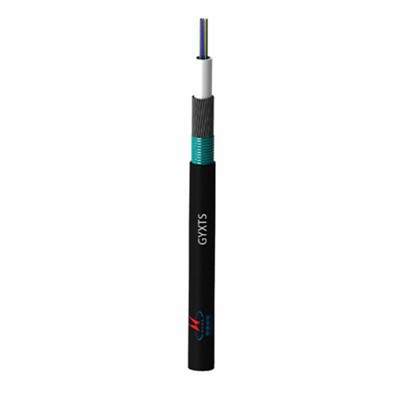
FTTH deployment involves two primary construction methods: underground burial and aerial attachment. Underground fiber construction costs average $1,000 to $1,250 per residential household passed or $60,000 to $80,000 per route mile (Source: dgtlinfra.com, 2024). This method uses trenching, plowing, or directional boring to place protective conduits 18-36 inches below ground.
Aerial fiber installation costs $8 to $12 per foot or approximately $40,000 to $60,000 per mile and requires only days or weeks to complete compared to several months for underground construction (Source: dgtlinfra.com, 2024). Providers attach fiber cables to existing utility poles using specialized hardware, making this approach faster and less disruptive in areas with established overhead infrastructure.
The Customer Connection Process
Once fiber reaches your neighborhood, installation to your home follows a standardized procedure. Initial installation fees range from $100 to $500 depending on location, covering labor and basic equipment required to establish service (Source: talkdailyinc.com, 2024). A technician determines the optimal entry point, runs fiber cable from the street to your home, and installs an Optical Network Terminal (ONT) that converts light signals to electrical data your devices can use.
The ONT typically mounts on an exterior or interior wall with access to power. From there, an Ethernet cable connects to your router, establishing the WiFi network that serves your household. Professional installation ensures proper fiber handling, as these delicate glass strands can break if bent too sharply or pulled incorrectly.
Market Growth and Deployment Projections

The 2025-2029 period could see more than a 50% increase in homes passed and more than a 100% increase in route miles to support homes passed, with fiber now passing 56.5% of U.S. households (Source: fiberbroadband.org, 2025). This expansion receives support from multiple funding sources, including private equity, telecommunications company capital expenditures, and federal programs.
The Broadband Equity, Access, and Deployment (BEAD) program allocated $42.45 billion to expand high-speed internet access across all 50 states. These funds prioritize fiber deployments in underserved rural and suburban areas where traditional providers found economics challenging. Fiber broadband connections grew 13% in 2024, with the U.S. reaching 35.1 million homes connected via fiber (Source: fierce-network.com, 2024).
Technology Evolution and Future Speeds
Since 2022, EPB has offered up to 25G broadband services using 25G PON technology, with the Chattanooga Convention Center and Metropolitan Airport among the first commercial connections (Source: nokia.com, 2024). While residential customers rarely need these extreme speeds today, the infrastructure enables future applications we haven't yet imagined.
Industry analysts predict continued advancement in PON technologies, with 50G and eventually 100G standards under development. This future-proofing represents a key FTTH advantage-the physical fiber infrastructure can support exponentially faster speeds through equipment upgrades alone, without replacing underground cables.
Cost Considerations for Consumers and Providers

Monthly fiber internet service typically starts around $50 per month for plans offering speeds up to 100 Mbps, with premium gigabit plans costing $150 or more for speeds exceeding 1 Gbps (Source: talkdailyinc.com, 2024). These rates have become increasingly competitive with cable internet as fiber deployment scales up and equipment costs decline.
For service providers, CenturyLink reported GPON deployment costs running $500 to $800 per premises to get fiber enabled, with an additional $500 to $600 to install a fiber drop and ONT inside homes (Source: fierce-network.com, 2016). Rural deployments and areas requiring extensive underground construction face higher per-home costs, but economies of scale improve as more homes connect.
Return on Investment Timeline
Fiber take-rates increased in 2024 to an average of over 45% based on unique passings, with service providers achieving their first 20% take rate much faster than in previous years (Source: fiberbroadband.org, 2025). This accelerating adoption helps providers recoup infrastructure investments more quickly.
Among customers churning in the past two years, fiber's main competitor HFC cable experienced a net loss of 33% in areas where fiber was available, while fiber gained 41% net user share (Source: fierce-network.com, 2024). This customer preference for fiber drives continued investment despite higher upfront deployment costs.
Network Architecture: Centralized vs. Distributed
FTTH networks use several design approaches, each with distinct economic and performance characteristics. Centralized split architecture employs single-stage 1x32 splitters connecting a central office to individual fibers. This configuration provides excellent flexibility for managing subscribers but requires more fiber runs and can be costly on a per-home basis.
Distributed architecture places splitters at intermediate points between the central office and homes, reducing fiber counts on main runs while increasing equipment in the field. This approach works well for phased deployments where providers gradually expand coverage.
Point-to-point fiber, while less common, dedicates individual fibers from the central office to each subscriber without splitters. This topology offers maximum bandwidth and security but demands significantly more fiber infrastructure.
Comparing FTTH to Hybrid Fiber-Coax

Cable companies increasingly deploy hybrid fiber-coax (HFC) networks that use fiber for trunk lines and coaxial cable for the "last mile" to homes. Cable internet provides bandwidth generally ranging from 10 Mbps to 1 Gbps with coverage reaching about 88% of the U.S., but experiences slowdowns during peak usage times when neighbors simultaneously consume bandwidth (Source: broadbandnow.com, 2025).
The shared coaxial infrastructure means cable's "up to" speed claims rarely reflect actual performance during evening hours when everyone streams video. FTTH avoids this issue through dedicated fiber runs and passive optical splitters that don't create the same congestion bottlenecks.
Cable networks also struggle with asymmetrical speeds-a cable plan advertised as "1 Gbps" typically offers only 35-50 Mbps upload. For businesses running cloud applications or households with content creators, this imbalance creates real workflow limitations that fiber's symmetrical service eliminates.
Smart Home Integration and IoT Support

The average home now contains 20+ connected devices including smartphones, tablets, laptops, smart TVs, video doorbells, security cameras, thermostats, and voice assistants. Each device competes for bandwidth, and many simultaneously transmit data to cloud services.
FTTH's high bandwidth and low latency make it the ideal foundation for comprehensive smart home systems. A family streaming 4K video on two TVs, video conferencing from a home office, backing up photos to cloud storage, and receiving security camera footage experiences no performance degradation on a gigabit fiber connection.
Looking ahead, emerging technologies like augmented reality, virtual reality, and AI-powered home automation will demand even greater bandwidth. 8K video streaming requires 50-100 Mbps per stream-already pushing DSL and basic cable to their limits, but well within fiber's capabilities.
Environmental and Sustainability Factors
EPB's smart grid implementation helped avoid 7,900 tons of CO2 emissions from 2014-2020 through significant reduction in road miles driven and enhanced power demand management (Source: wikipedia.org, 2025). The fiber network enabling this grid modernization demonstrates how FTTH serves purposes beyond consumer internet.
Fiber infrastructure itself offers sustainability advantages over copper networks. Glass production for optical fiber requires less energy than copper mining and refining. Fiber's superior efficiency means less energy consumption per bit transmitted, and the cables' longevity reduces replacement cycles and associated waste.
The remote work capabilities FTTH enables also contribute to emissions reductions. Employees working from home eliminate commuting-related carbon output-a benefit that scaled dramatically during the pandemic and continues as hybrid work models persist.
Frequently Asked Questions
How does fiber to the home differ from fiber to the premises?
FTTH and FTTP are often used interchangeably, but FTTP technically encompasses fiber connections to any building type including businesses and apartments, while FTTH specifically refers to residential single-family homes. Both represent end-to-end fiber connections without copper or coaxial cable in the final connection.
Can I get fiber internet if it's not available in my neighborhood?
Most providers maintain waitlist programs for areas where fiber doesn't yet exist. Expressing interest helps providers prioritize expansion plans. Some communities have successfully lobbied municipal governments or electric cooperatives to invest in fiber infrastructure when private ISPs won't serve their area.
What equipment do I need for fiber internet at home?
Your provider supplies the ONT, which requires an electrical outlet and typically mounts near where fiber enters your home. You'll need a router (often provided or available for rental) to create your WiFi network. For optimal performance with gigabit fiber, ensure your router supports WiFi 6 or WiFi 6E standards and your devices have gigabit Ethernet ports.
Does fiber internet work during power outages?
The ONT requires electricity to function, so most fiber service stops during outages unless you have battery backup. Some providers offer optional backup batteries that maintain service for 4-8 hours. Your WiFi router also needs power, so you'd need an uninterruptible power supply (UPS) to maintain connectivity during outages.
How long does fiber internet installation take?
Standard residential installation typically completes in 2-4 hours. The technician runs fiber from the street or pole to your home, installs the ONT, configures your connection, and tests performance. Complex installations requiring custom routing or multiple connection points may take longer.
Is fiber internet better for gaming than cable?
Yes, for several reasons. Fiber provides lower latency (often under 10ms versus 20-50ms for cable), symmetrical upload speeds critical for multiplayer gaming, and no congestion-related slowdowns during peak hours. Competitive gamers particularly benefit from fiber's consistent performance and minimal jitter.
What happens if the fiber cable gets damaged?
Fiber cables are remarkably durable in normal conditions but can break from construction accidents or severe weather. When damage occurs, providers locate the break using specialized testing equipment and repair it through fusion splicing-a process that precisely aligns and fuses fiber ends together. Most repairs complete within 24-48 hours depending on accessibility.
Can I use my existing router with fiber internet?
Most modern routers work with fiber, but you'll need one capable of handling your plan's speeds. A gigabit fiber connection requires a router with gigabit WAN and LAN ports. Your provider may require or recommend a specific router model for optimal performance with their network configuration.
Making the Fiber Transition
FTTH represents more than an incremental upgrade-it's foundational infrastructure for how we'll work, learn, and communicate over the coming decades. The technology's ability to support future speed increases without infrastructure replacement makes it a one-time investment that serves communities for generations.
As deployment accelerates and costs decline, fiber is becoming the standard against which other broadband technologies are measured. Whether you're currently choosing an internet provider or planning for a future upgrade, understanding FTTH's capabilities and limitations helps you make informed connectivity decisions that will affect your daily digital life for years to come.