



Hey there! Are you tired of buffering videos and slow downloads? Let's talk about fiber optic internet – the game-changer that's revolutionizing how we connect to the digital world. As someone who's spent years in telecommunications, I'm excited to share why fiber optic internet might just be the upgrade your home or business desperately needs.

What Exactly Is Fiber Optic Internet?
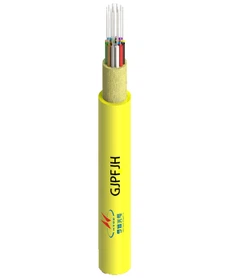
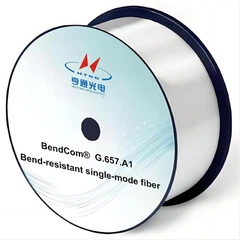
Picture this: instead of sending data through copper wires like traditional broadband, fiber optic internet uses thin strands of glass or plastic to transmit information using light pulses. It's literally the speed of light working for your internet connection! This technology isn't just faster – it's fundamentally different from what most of us grew up with.
When I first experienced fiber optic internet, I was amazed by how seamlessly everything worked. No more waiting for cloud backups, no more pixelated video calls, and definitely no more arguments about who's hogging the bandwidth during family movie night.
Speed Comparison: Fiber vs Traditional Internet
| Connection Type | Download Speed | Upload Speed | Latency | Best For |
|---|---|---|---|---|
| Fiber Optic Internet | Up to 1000+ Mbps | Up to 1000+ Mbps | 1-5ms | Streaming, gaming, business |
| Cable Internet | Up to 300 Mbps | Up to 35 Mbps | 10-20ms | General browsing, streaming |
| DSL | Up to 100 Mbps | Up to 10 Mbps | 20-50ms | Basic internet needs |
| Satellite | Up to 25 Mbps | Up to 3 Mbps | 600-700ms | Rural areas only |
The Real Benefits You'll Actually Notice
Let me be honest with you – fiber optic internet isn't just about bragging rights (though those download speeds are pretty impressive). Here's what you'll actually experience:
Symmetrical Speeds: Unlike cable internet where upload speeds crawl compared to downloads, fiber optic internet typically offers equal upload and download speeds. This means uploading your vacation photos or backing up files happens just as fast as streaming Netflix.
Consistent Performance: During peak hours when everyone's online, fiber optic internet maintains its speed. I remember the frustration of cable internet slowing to a crawl every evening – that's history with fiber.
Future-Proof Technology: While other technologies are reaching their limits, fiber optic internet can be upgraded simply by changing the equipment at both ends. The fiber cables themselves can handle much more than current technology even uses.
Installation and Availability: What to Expect
The elephant in the room is availability. Fiber optic internet isn't everywhere yet, but it's expanding rapidly. Major providers like Verizon Fios, AT&T Fiber, and Google Fiber are leading the charge, with smaller regional providers filling gaps.
Cost Analysis: Is Fiber Worth the Investment?
| Provider Type | Monthly Cost Range | Installation Fee | Contract Length | Value Rating |
|---|---|---|---|---|
| Major Fiber Providers | $50-$100 | $0-$200 | 1-2 years | ⭐⭐⭐⭐⭐ |
| Cable Alternatives | $40-$80 | $0-$100 | 1-2 years | ⭐⭐⭐ |
| DSL Options | $30-$60 | $0-$50 | 1 year | ⭐⭐ |
Here's the thing about fiber optic internet pricing – while it might cost slightly more upfront, you're getting exponentially more value. When you factor in the reliability, speed, and lack of data caps that many fiber providers offer, it often works out to better value per megabit.
Technical Specifications That Matter
| Technical Aspect | Fiber Optic Internet | Traditional Broadband |
|---|---|---|
| Signal Degradation | Minimal over long distances | Significant after 1000ft |
| Weather Interference | Nearly immune | Affected by storms |
| Electromagnetic Interference | None | Common issue |
| Maximum Bandwidth Potential | Virtually unlimited | Limited by copper capacity |
The technical superiority of fiber optic internet becomes obvious when you dig into the details. The physics of light transmission through glass simply outperforms electrical signals through copper in every measurable way.
Gaming and Streaming: Where Fiber Shines
As a gaming enthusiast, I can tell you that fiber optic internet transforms the experience. That sub-5ms latency means the difference between winning and losing in competitive gaming. For streamers, the symmetrical upload speeds of fiber optic internet enable 4K streaming without compromising download performance for other household activities.
Business Applications: Why Companies Choose Fiber
Businesses increasingly rely on fiber optic internet for cloud computing, video conferencing, and data backup. The reliability and consistent speeds make it essential for companies that can't afford downtime. I've consulted with businesses that saved thousands monthly just by switching to fiber optic internet and eliminating multiple slower connections.
Common Misconceptions About Fiber Optic Internet
Let's clear up some myths. First, fiber optic internet installation isn't always disruptive – many providers use existing conduits. Second, while fiber is incredibly fast, you don't need gigabit speeds for basic internet use. However, having that capacity means your connection won't become a bottleneck as your usage grows.
Making the Switch: Step-by-Step Guide
Ready to upgrade to fiber optic internet? Start by checking availability in your area using provider websites or coverage maps. Compare plans not just on speed, but on contract terms, installation costs, and customer service ratings. Remember, the cheapest fiber optic internet isn't always the best value if it comes with poor support or hidden fees.

The Future of Fiber Optic Internet
We're just scratching the surface of what fiber optic internet can do. With applications like virtual reality, 8K streaming, and smart home integration becoming mainstream, fiber optic internet provides the foundation for tomorrow's digital experiences today.
The investment in fiber optic internet infrastructure continues growing, with government initiatives and private investment expanding coverage to rural and underserved areas. This technology isn't just the present – it's the foundation for the next decade of internet innovation.
Glossary
Bandwidth: The maximum amount of data that can be transmitted over an internet connection in a given time period, typically measured in megabits per second (Mbps).
Latency: The time delay between sending a data request and receiving a response, measured in milliseconds (ms). Lower latency means more responsive internet.
Symmetrical Speeds: Internet connections where upload and download speeds are equal, unlike traditional broadband where upload speeds are typically much slower.
Gigabit Internet: Internet speeds of 1000 Mbps (1 Gbps) or higher, commonly offered through fiber optic connections.
ISP (Internet Service Provider): Companies that provide internet access services to consumers and businesses.
Common Industry Questions & Solutions
Q: Why is my fiber internet slower than advertised? Solution: Check your equipment first – older routers and devices can bottleneck fiber speeds. Ensure you're using ethernet connections for speed tests, not Wi-Fi. Contact your ISP if speeds remain consistently below 80% of advertised rates, as this may indicate line issues or network congestion requiring technical support.
Q: How do I choose between different fiber optic internet providers? Solution: Compare not just speeds and prices, but contract terms, data caps, customer service ratings, and installation costs. Read recent customer reviews and check coverage maps carefully. Consider bundled services only if you'll actually use them, as standalone internet often provides better value for most users.
Q: Is fiber optic internet worth it for small businesses? Solution: Absolutely, especially for businesses using cloud services, video conferencing, or file sharing. Calculate the cost of downtime with your current connection versus fiber reliability. Factor in productivity gains from faster uploads and consistent speeds during peak hours. Most small businesses see ROI within six months through improved efficiency and reduced connectivity issues.