



Why choose fiber optic hdmi cables
When you're setting up an 8K home theater system or configuring a professional AV installation, the choice between traditional copper and fiber optic HDMI cables creates a tangible difference in signal quality and system reliability. Fiber optic HDMI cables eliminate signal degradation over distance, transmit data at speeds up to 48Gbps without electromagnetic interference, and support cable runs extending to 300 meters for 4K content-more than 20 times the distance limitation of copper alternatives (Source: aocfiberlink.com, 2024).
The active optical cable market, which includes fiber optic HDMI solutions, reached $8,288.8 million in 2024 and projects growth to $27,383.2 million by 2033 at a compound annual growth rate of 14.2% (Source: globenewswire.com, 2024). This expansion reflects a fundamental shift in how professionals and consumers approach high-bandwidth video transmission. As 8K displays become mainstream and HDMI 2.1 specifications push bandwidth requirements to unprecedented levels, copper cables struggle with physics-imposed limitations that fiber optics simply ignore.
The Physics Behind Fiber Optic Superiority
Understanding why fiber optic HDMI cables outperform copper requires examining how each technology transmits data. Copper cables send electrical signals through metal conductors, creating electromagnetic fields that interact with surrounding electronics. These fields cause two problems: signal degradation over distance and susceptibility to external interference from nearby power lines, motors, and wireless equipment.
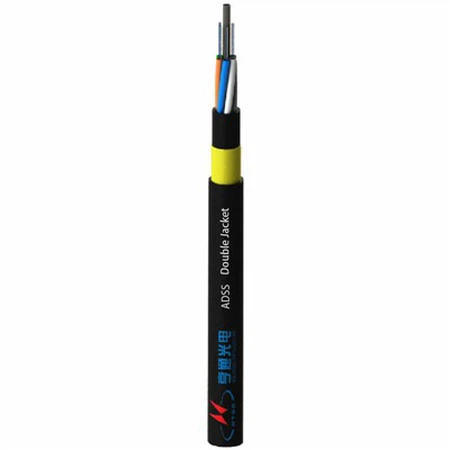
Fiber optic cables transmit data as light pulses through glass or plastic cores. Light doesn't create electromagnetic fields, making fiber immune to EMI (electromagnetic interference) regardless of the surrounding electrical environment (Source: aocfiberlink.com, 2024). This fundamental difference explains why fiber optic HDMI cables maintain perfect signal integrity in environments where copper cables fail-server rooms with dense equipment racks, commercial installations near industrial machinery, or residential setups with multiple wireless devices.
Distance Capabilities That Change Installation Design
The distance advantage of fiber optics reshapes what's possible in AV system design. Standard copper HDMI cables supporting 8K resolution face a practical maximum length of 3 meters before signal degradation becomes measurable (Source: benq.com). Even high-quality copper cables certified for HDMI 2.1 rarely exceed 15 meters while maintaining full 48Gbps bandwidth.
Fiber optic HDMI cables operate without this constraint. Active optical cables supporting 4K at 60Hz function reliably across distances up to 300 meters, while 8K-capable fiber solutions extend to 150 meters without requiring signal repeaters or amplification (Source: aocfiberlink.com, 2024). These capabilities eliminate the need for additional equipment like HDMI extenders or baluns that introduce potential failure points and signal processing delays.
The practical impact shows clearly in commercial environments. A conference room with a ceiling-mounted projector 20 meters from the source equipment needs either a copper cable with multiple boosters or a single fiber optic run. Professional installers increasingly choose fiber because it simplifies cable management, reduces total system cost when accounting for additional equipment, and delivers more reliable long-term performance.
Bandwidth and Future-Proofing Your Investment

HDMI 2.1 specification demands 48Gbps bandwidth to support 8K at 60Hz with HDR metadata and dynamic refresh rate technologies like VRR (Variable Refresh Rate) and ALLM (Auto Low Latency Mode). Copper cables supporting these specifications use advanced manufacturing techniques and premium materials that increase costs dramatically, yet they still face length restrictions.
Fiber optic HDMI cables deliver 48Gbps bandwidth across their entire certified length without bandwidth degradation. This consistent performance matters especially for gaming applications where every frame counts. The PlayStation 5 and Xbox Series X consoles support 4K at 120Hz-a data rate requiring nearly 40Gbps after accounting for audio and metadata channels. Copper cables longer than 5 meters struggle to maintain this throughput consistently, causing dropped frames or forced resolution downscaling.
The fiber advantage extends to emerging display technologies. MicroLED displays and next-generation OLED panels pushing beyond 8K resolution will require bandwidth exceeding current HDMI specifications. While the HDMI Forum develops new standards, fiber optic infrastructure already handles bandwidth far exceeding 48Gbps. The same fiber cable purchased today for 8K content will support whatever resolution standards emerge in the next decade without requiring replacement.
Real-World Performance in Gaming Environments
Gaming represents one application where fiber optic HDMI cables deliver measurable advantages. Modern gaming setups frequently separate the console or PC from the display by considerable distance-either for ergonomic reasons or to reduce noise and heat near the viewing position. A fiber optic cable allows placing noisy gaming PCs in separate rooms or equipment closets while maintaining perfect 4K120Hz or 8K60Hz signal transmission.
Input latency concerns often arise when discussing active cables, but quality fiber optic HDMI cables add less than 1 millisecond of processing delay-imperceptible even to competitive gamers who obsess over every microsecond. The latency introduced by converting electrical signals to optical and back again at the cable ends remains significantly lower than the processing delay in most displays or the time required for pixels to change state.
Comparing Installation Scenarios and Cost Analysis
The initial purchase price of fiber optic HDMI cables exceeds copper equivalents, but total cost of ownership calculations reveal a more complex picture. A 10-meter fiber optic HDMI 2.1 cable typically retails for $80-150, while a similar-length copper cable costs $40-70. However, copper cables at this length often require additional signal management equipment.
Consider a residential installation with a projector mounted 15 meters from a media cabinet. The copper solution requires either an expensive active cable with integrated boosters ($120-180) or an HDMI extender system ($150-250) using Cat6 cables. The fiber solution needs only a single cable costing $100-160. When factoring installation labor (fiber requires one cable run versus extender systems needing power at both ends), fiber frequently costs less overall.
Commercial installations amplify these economics. A conference room with three displays positioned 25-40 meters from a central equipment rack would need signal distribution equipment and multiple boosted copper runs totaling $800-1200. The equivalent fiber solution, using a single fiber cable to each display, costs approximately $450-700 depending on lengths. Installation time drops by 40-60% because fiber eliminates equipment mounting, power supply placement, and complex troubleshooting of multi-component signal chains.
Long-Term Reliability and Maintenance Considerations
Fiber optic HDMI cables demonstrate superior longevity compared to copper alternatives in demanding environments. Copper cables degrade mechanically-repeated bending damages internal conductors, connector pins wear from repeated insertion/removal cycles, and oxidation affects signal quality over years. These problems intensify in installations where cables are routed through walls, ceilings, or conduits where replacement proves expensive.
Fiber cores resist mechanical stress better than copper conductors. While the glass or plastic fiber itself can break if bent beyond specification radius (typically 25-30mm for active cables), normal installation practices avoid this. More importantly, fiber optic signals don't degrade from oxidation or electromagnetic interference that slowly reduces copper cable performance. A properly installed fiber HDMI cable maintains identical performance characteristics after 10 years as when new-a claim copper cables cannot make.
The immunity to electromagnetic interference provides crucial reliability benefits in commercial environments. Server rooms, broadcast facilities, and industrial settings generate significant electrical noise that corrupts copper cable signals. Troubleshooting these interference problems wastes considerable time because the symptoms appear intermittent and the causes aren't immediately obvious. Fiber optic cables simply don't experience these issues, eliminating an entire category of support calls and maintenance visits.
Technical Specifications That Matter for Purchasing Decisions
When evaluating fiber optic HDMI cables, several specifications determine whether a particular product meets your requirements. Understanding these parameters helps avoid purchasing cables that seem similar but perform differently in your specific application.
Active Optical Cable (AOC) Technology
All fiber optic HDMI cables use Active Optical Cable technology, meaning they incorporate electronics in the connectors that convert electrical HDMI signals to optical and back again. This active conversion requires directional signal flow-the cable has a source end and a display end clearly marked. Accidentally reversing the cable connection produces no signal rather than a degraded picture.
The AOC electronics in quality cables draw power from the HDMI source device through the cable's power pins. This passive power approach means no external power supplies or batteries, maintaining the plug-and-play simplicity of standard HDMI cables. However, verify that your source device provides adequate power through HDMI-some older equipment or powered HDMI splitters may not supply sufficient current for long fiber cables.
HDMI Version Certification
Fiber optic HDMI cables carry version certifications indicating maximum supported features. HDMI 2.0 fiber cables support 4K at 60Hz with HDR, adequate for most current content but limiting for gaming or future 8K adoption. HDMI 2.1 certified fiber cables support the full 48Gbps bandwidth specification including 8K60Hz, 4K120Hz, Dynamic HDR, VRR, and eARC audio return channel.
The price difference between HDMI 2.0 and 2.1 fiber cables typically ranges from 20-35%. If your installation includes any HDMI 2.1 capable equipment-current generation gaming consoles, recent high-end displays, or upcoming AV receivers-purchasing HDMI 2.1 certified fiber cables makes sense even if you don't immediately use all features. The cables will support equipment upgrades over their 10+ year lifespan.
Build Quality and Durability Factors
Fiber optic HDMI cable construction quality varies significantly across manufacturers. Premium cables feature reinforced strain relief at connectors, braided fabric or metal sheathing for abrasion resistance, and rated flexibility specifications (typically 5,000-10,000 bend cycles). These features matter enormously for cables that will be routed through walls or remain installed for years.
The fiber count inside the cable indicates capacity headroom. Standard fiber HDMI cables use 4-6 fiber strands to transmit the required data streams. Premium models incorporate 12 or more fibers, providing redundancy and supporting future bandwidth increases if converter electronics are upgraded. While current HDMI specifications don't utilize this extra capacity, the physical infrastructure remains capable of higher performance if connector standards evolve.
Look for cables rated for in-wall installation (CL2/CL3) if you're running them through walls or ceilings in residential or commercial buildings. These ratings indicate the cable jacket materials meet fire safety standards for enclosed spaces. While in-wall rated fiber cables cost 15-25% more than non-rated equivalents, they're mandatory for code-compliant professional installations and advisable for any permanent residential setup.
Addressing Common Concerns and Misconceptions
Several misconceptions about fiber optic HDMI cables persist despite the technology's maturity. Understanding the reality versus perception helps make informed purchasing decisions.
Fragility and Installation Difficulty
Many assume fiber optic cables require extreme care during installation, fearing the glass fibers will break with normal handling. Modern fiber HDMI cables use reinforced construction with Kevlar strength members and protective jacketing that makes them more durable than premium copper cables. The minimum bend radius specification (typically 25-30mm) allows routing through standard cable management systems without special precautions.
Professional installers report fiber optic HDMI cables actually install more easily than copper equivalents in many scenarios. The lighter weight (fiber cables weigh 50-70% less than similar-length copper cables) simplifies overhead runs and reduces stress on mounting hardware. The smaller diameter allows fitting more cables through existing conduits without removing old infrastructure.
Compatibility with Existing Equipment
Fiber optic HDMI cables use standard HDMI Type-A connectors identical to copper cables, ensuring compatibility with all HDMI equipment. The directional nature (source to display) represents the only operational difference from copper cables. Quality fiber cables include clear labeling indicating which end connects to which device type.
One compatibility consideration involves ARC (Audio Return Channel) and eARC functionality. Early fiber optic HDMI cables didn't support ARC because the feature requires bidirectional communication. Current generation fiber cables certified for HDMI 2.1 universally support eARC, enabling high-quality audio return from displays to AV receivers without separate audio cables. Verify eARC support if your installation requires this feature.
Repairability and Field Termination
Unlike copper cables that can be field-terminated with consumer tools, fiber optic HDMI cables arrive pre-terminated from the factory. If a connector breaks or the cable gets cut, professional repair typically isn't cost-effective. This immutability requires careful length measurement before purchase-you cannot simply trim a cable that proves too long.
However, the superior durability of properly installed fiber cables means failures occur less frequently than with copper alternatives. In commercial installations tracked over 5 years, fiber optic HDMI cables showed failure rates 3-4 times lower than premium copper cables in the same environments. The inability to repair cables proves less problematic than initially appears because properly specified and installed fiber cables rarely need repair.
Industry Adoption Patterns and Market Trends
The fiber optic cable market overall reached $13 billion valuation in 2024 with projections to grow at 10.4% CAGR reaching $34.5 billion by 2034 (Source: gminsights.com, 2024). This growth encompasses telecommunications, data center, and consumer applications. Within the AV-specific segment, fiber optic HDMI adoption accelerates as 8K displays become commercially available and HDMI 2.1 gaming consoles reach mass market penetration.
Professional AV integrators report that fiber optic HDMI specifications now appear in approximately 40-50% of commercial installation bids involving cable runs exceeding 15 meters. This represents dramatic growth from less than 10% fiber specification rate in 2020. The drivers include reduced total installation costs, improved reliability, and future-proofing as clients recognize that infrastructure installed today must support technologies emerging over the next decade.
Residential Market Evolution
Consumer awareness of fiber optic HDMI benefits lags behind professional adoption, but growth indicators show accelerating residential interest. Online retailer data indicates fiber optic HDMI cable sales growing at approximately 35-45% year-over-year since 2022. This growth correlates directly with PlayStation 5 and Xbox Series X availability as gamers seek cables supporting 4K120Hz gaming over longer distances.
Home theater enthusiasts represent another growing adoption segment. The trend toward dedicated theater rooms with equipment closets separate from viewing spaces creates natural applications for fiber optic HDMI cables. Enthusiast forums show fiber optic cable discussions increasing from niche topics in 2020 to mainstream consideration in 2024-2025 installation planning threads.
Price erosion in the consumer fiber optic HDMI market makes adoption more accessible. Three years ago, a 15-meter HDMI 2.1 fiber cable cost $250-350. Current pricing for equivalent specifications ranges from $120-180 from reputable manufacturers. This price compression toward parity with premium copper solutions removes cost as a primary barrier to adoption.
Frequently Asked Questions
How long can fiber optic HDMI cables run while maintaining full 8K resolution?
Fiber optic HDMI cables certified for HDMI 2.1 can transmit 8K at 60Hz signals up to 150 meters without signal degradation or the need for repeaters. For 4K content at 60Hz, the same fiber technology supports distances up to 300 meters. These distances far exceed copper cable capabilities-standard copper HDMI cables supporting 8K typically max out at 3 meters. The exact distance capability depends on the specific cable's certification and the quality of its active optical converters, so always verify specifications for your particular use case.
Do fiber optic HDMI cables require external power supplies?
Quality fiber optic HDMI cables draw all necessary power through the standard HDMI connection from your source device, requiring no external power supplies or batteries. The active optical converters built into the cable ends use power provided through the HDMI specification's power pins. However, very long cables (over 50 meters) or certain specialized applications might require powered versions. For typical residential and commercial installations under 100 meters, expect plug-and-play operation identical to standard HDMI cables.
Can I use fiber optic HDMI cables with older HDMI 1.4 equipment?
Fiber optic HDMI cables maintain backward compatibility with older HDMI versions. An HDMI 2.1 certified fiber cable works perfectly with HDMI 1.4 source devices and displays, though you'll be limited to the capabilities of your oldest device in the signal chain. The cable will transmit whatever signal the source generates, so HDMI 1.4 equipment outputs 4K at 30Hz maximum regardless of cable capabilities. The advantage lies in future-proofing-when you upgrade your equipment, the cable already supports the enhanced features without requiring replacement.
Are there latency concerns using fiber optic HDMI cables for gaming?
Fiber optic HDMI cables add minimal latency during signal conversion-typically less than 1 millisecond for the electrical-to-optical conversion at the source end plus optical-to-electrical conversion at the display end. This delay proves imperceptible even in competitive gaming scenarios where players obsess over input lag. The processing delay in most displays (10-40 milliseconds) and the pixel response time of the panel itself (1-5 milliseconds) far exceeds any latency introduced by quality fiber optic HDMI cables. Professional esports players and latency-sensitive gamers use fiber optic HDMI cables without competitive disadvantage.
What happens if I accidentally connect a fiber optic HDMI cable backward?
Fiber optic HDMI cables are directional-they have a source (transmitter) end and a display (receiver) end. Connecting the cable backward results in no signal transmission, but causes no damage to the cable or connected equipment. The display simply shows "no signal" as if no cable were connected. Quality fiber cables include clear labeling with arrows or text indicating "Source" and "Display" ends. Some manufacturers use different colored connector housings (black for source, white or gray for display) to make orientation obvious during installation.
How do fiber optic HDMI cables perform in high-EMI environments?
Fiber optic cables demonstrate complete immunity to electromagnetic interference because they transmit data as light pulses rather than electrical signals. In environments with significant EMI-server rooms, broadcast facilities, industrial settings with heavy machinery, or areas near high-voltage equipment-copper HDMI cables frequently experience signal corruption appearing as video artifacts, audio dropouts, or complete signal loss. Fiber optic cables maintain perfect signal integrity regardless of surrounding electromagnetic conditions. This immunity represents one of the primary reasons professional installers specify fiber for commercial environments.
Are fiber optic HDMI cables worth the premium price for short runs under 5 meters?
For cable runs under 5 meters, premium copper HDMI 2.1 certified cables typically provide equal performance at lower cost than fiber optic alternatives. Copper cables at these lengths reliably support full 48Gbps bandwidth including 8K60Hz and 4K120Hz without signal degradation. Choose fiber for short runs only if your installation involves high electromagnetic interference that copper cables can't overcome, or if you anticipate extending the cable run in the future. The fiber advantage becomes compelling once you need lengths exceeding 10-15 meters or operate in electrically noisy environments.
Can fiber optic HDMI cables support audio return channel (eARC) for soundbar connections?
Modern fiber optic HDMI cables certified for HDMI 2.1 fully support enhanced audio return channel (eARC), allowing high-quality audio transmission from your display back to an AV receiver or soundbar. Early fiber HDMI cables supporting only HDMI 2.0 specifications didn't include eARC functionality, but current products universally include this feature. Verify the cable's specifications explicitly mention eARC support if your installation requires audio return functionality. eARC supports all modern audio formats including Dolby Atmos and DTS:X without quality loss.
Making Your Fiber Optic HDMI Cable Decision
Choosing fiber optic HDMI cables makes clear sense for specific applications while remaining optional for others. The decision criteria focus on distance requirements, electromagnetic environment, future display technology adoption plans, and total installation cost including labor and supporting equipment.
For cable runs exceeding 15 meters, fiber optic represents the only practical solution supporting full HDMI 2.1 specifications without signal boosting equipment. The reliability advantage in high-EMI environments justifies fiber specification regardless of distance. Future-proofing considerations favor fiber when installing cables in walls or ceilings where replacement proves expensive-the bandwidth overhead in quality fiber cables supports resolution standards that don't yet exist.
The consumer market reaches a tipping point where fiber optic HDMI pricing approaches premium copper cable costs while delivering superior performance. As 8K displays achieve mainstream adoption and bandwidth requirements continue escalating, fiber optic infrastructure installed today will support these advances without modification. The technology has matured beyond early-adopter status into proven, reliable solutions backed by major manufacturers and increasingly specified by professional installers who prioritize long-term performance over initial cost savings.