

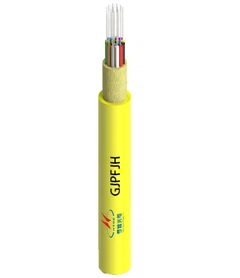


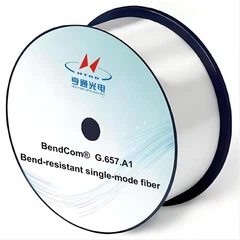
As a manufacturer of optical cables, we understand the critical role fiber optic cables play in modern communication. From data centers to 5G networks, from smart homes to industrial IoT, the high-speed, large-capacity, and low-latency characteristics of fiber optic cables support the global flow of information. However, the performance of optical cables depends not only on their quality but also on the precision and reliability of connection technologies. This article delves into the methods, key technologies, and best practices of fiber optic cable connections to help you achieve efficient and stable optical communication systems.
Why Is Fiber Optic Connection So Important?
Fiber optic cables transmit data through optical signals, with their core consisting of glass or plastic fibers as thin as hair. Optical signals travel through total internal reflection within the fiber. However, if connection points are not handled properly, signal loss, reflection, or interruption can occur. Statistics show that over 30% of network failures originate from connection issues. Thus, proper connection technology is crucial for ensuring end-to-end performance.
Main Connection Methods: Fusion Splicing and Mechanical Splicing
There are two primary methods for fiber optic connections: fusion splicing and mechanical splicing. Each method has its advantages and disadvantages, making them suitable for different scenarios.
Fusion Splicing
Fusion splicing uses an electric arc to heat and melt the end faces of two optical fibers, fusing them together. This method offers the lowest insertion loss (typically below 0.1 dB) and the highest reliability, making it ideal for long-term fixed installations, such as long-haul trunk lines or data center cabling.
Steps:
1. Strip the cable jacket and coating, and clean the fiber.
2. Use a fiber cleaver to create a flat end face.
3. Place the fiber into the fusion splicer for automatic alignment and splicing.
4. Protect the connection point with a heat-shrink sleeve.
Advantages: Low loss, high strength, and long-term stability.
Disadvantages: Requires professional equipment and expertise, with higher costs.

Mechanical Splicing
Mechanical splicing uses precision components to align and secure two optical fibers. This method does not require a heat source and offers higher insertion loss (approximately 0.2-0.5 dB). However, it is quick and convenient, making it suitable for temporary repairs or field maintenance.
Steps:
1. Prepare the fiber end face (cleaning and cleaving).
2. Insert the fiber into the mechanical connector, which uses index-matching gel or physical clamping to align the optical path.
Advantages: Portable, fast, and requires no power source.
Disadvantages: Higher loss and lower long-term reliability compared to fusion splicing.
Key Considerations for Successful Connections
Regardless of the method used, the following points are essential for ensuring successful connections:
1.End-Face Preparation: The fiber end must be flat and clean. Even micron-level imperfections can cause scattering or reflection. Professional cleaving tools and cleaning agents are critical.
2.Alignment Precision: The core diameter of single-mode fiber is only 9μm, meaning even minor misalignments can cause significant loss. The automatic alignment function of fusion splicers or the V-groove design of mechanical connectors addresses this issue.
3.Protection and Encapsulation: Connection points are vulnerable to mechanical stress and environmental factors. Heat-shrink sleeves or sealed enclosures provide waterproofing, dust resistance, and tensile protection.
4.Testing and Verification: After connection, use an Optical Time-Domain Reflectometer (OTDR) or power meter to test loss and reflection, ensuring compliance with standards such as TIA-568 or ISO/IEC 11801.
As a manufacturer of optical cables, we not only provide high-quality fiber optic products but also strive to promote advanced connection technologies. Proper connection methods maximize cable performance, extend network lifespan, and reduce maintenance costs. Whether using fusion or mechanical splicing, precise operations and rigorous testing are indispensable. In the future, we will continue to develop innovative solutions to support the construction of faster and more reliable all-optical networks.