





Armored Fiber Patch Cable: Crush Resistance, Indoor/Outdoor Ratings, IP Codes
You use an armored fiber optic patch cable for strong network connections in hard places. Businesses can have problems from broken cables, water, and dust. Picking the wrong cable can cause network stops and expensive fixes.
Crush resistance keeps your cable safe from heavy things.
Indoor/outdoor ratings show the cable is safe and follows rules.
IP codes protect your data from water and dirt.
The right cable helps keep your network safe and makes repairs easier.

Key Takeaways
Armored fiber optic patch cables help keep networks safe in hard places. They lower the chance of problems and save money on repairs. Crush resistance is very important. It stops cables from getting hurt by heavy things. This keeps data moving without trouble. Pick cables with the right indoor or outdoor ratings. These ratings help meet safety rules and handle tough weather. IP codes show how well cables block dust and water. Bigger numbers mean better protection from things like dirt and rain. The armor material matters too. Using stainless steel or aluminum makes cables stronger and work better. Look at cable features like how easy they bend, if they resist chemicals, and if they are safe from fire. This helps you find what fits your needs. Ask suppliers about certifications and rules. This makes sure your network is good and works well. Make your network ready for the future. Choose new materials that let it go faster and work better.
Armored Fiber Optic Patch Cable Overview

Cable Structure
You need a cable that can handle rough places. An armored fiber optic patch cable has many layers to keep your network safe. The outer jacket is made from PVC or PE. It keeps out water, chemicals, and sunlight. The armor layer is usually stainless steel or aluminum. This layer stops the cable from getting crushed or cut. Inside, there is a flame-retardant inner jacket. It helps hold the fiber and keeps it safe. Strength members, like aramid yarn such as Kevlar, stop the cable from stretching or bending. The optical fiber is in the center. It sends your data fast and safely.
|
Component |
Description |
|---|---|
|
Outer Jacket |
Made of PVC or PE, protects against liquids, chemicals, wear, and UV exposure. |
|
Armor Layer |
Typically made of steel or aluminum, enhances mechanical resistance and is difficult to cut or burn. |
|
Inner Jacket |
A flame-retardant sheath that supports the inner fiber and includes strength members and fillers. |
|
Optical Fiber |
The core part designed to transmit data signals, surrounded by cladding. |
|
Strength Members |
Made from materials like glass, fiber, and aramid (e.g., Kevlar) to provide additional support. |
Tip: Micro-diameter stainless steel sleeves make the cable bend easier and resist stress. Strong aramid fiber keeps the cable from stretching or changing shape.
Types and Applications
There are different types of armored fiber optic patch cable. OM3 and OM4 are used a lot in big networks. These cables are good for places where they might get damaged, like factories, outside, or in data centers. You can use them for FTTH, hanging between poles, or underground. You can also pick the cable length, connector, and armor type for your needs.
|
Feature |
OM3 |
OM4 |
|---|---|---|
|
Maximum Attenuation (dB/km) |
3.5 at 850nm |
3.0 at 850nm |
|
Maximum Distance (10G) |
Up to 300 meters |
Up to 400 meters (up to 550 meters under exceptional conditions) |
|
Modal Bandwidth (MHz·km) |
2000 |
4700 |
|
Supported Speeds |
10G, 40G, 100G |
10G, 40G, 100G |
OM4 gives you better performance and can go farther. Both types work for fast data in telecom, EPCs, and for sellers.
Key Features
Armored fiber optic patch cable is strong and lasts a long time. Stainless steel armor gives great crush resistance and lasts many years. Aluminum armor is lighter but still strong and may cost less. Kevlar-impregnated cables give extra safety for special jobs. Picking the right armor helps you avoid repairs and keeps your network working.
|
Armor Material |
Description |
|---|---|
|
Stainless Steel |
Provides excellent crush resistance and durability. |
|
Aluminum |
Lightweight and also offers good crush resistance. |
|
Kevlar-impregnated |
Used in some applications for added protection. |
These cables save you money because they last longer and break less.
They keep your network safe from machines, animals, and bad weather.
They follow the rules for both inside and outside use.
If you want a network that works well and does not cost much to fix, armored fiber optic patch cable is a good choice.
Crush Resistance

What Is Crush Resistance?
Fiber optic cables need to work in tough places. Crush resistance means the cable can take a lot of weight. It will not break or lose its signal. Heavy machines or people might step on cables. Sometimes, cables are put underground. Crush resistance keeps the glass fibers inside safe. If a tool falls or a cart rolls over the cable, the armor helps. Your network keeps working. You do not have to pay for repairs or lose time.
Note: Armored fiber optic patch cable with high crush resistance is very important for places like factories, outside, or underground. It keeps your data safe even if something heavy presses on it.
Armor Materials
Spiral Steel
Spiral steel armor gives the best crush resistance. Steel is strong when pulled or pushed. It has high strength and does not bend easily. Steel armoring lets the cable handle heavy loads. This makes it good for hard places. You can use spiral steel armored cables in factories or tunnels. They also work well outside where big machines move.
Steel gives strong crush resistance.
Steel does not break when pulled or pushed.
Steel armor stops cuts and holes.
Aramid Yarn
Aramid yarn, like Kevlar, makes the cable stronger. It is very strong when pulled. But it does not stop crushing as well as steel. Aramid yarn can bend or wear out if pressed too hard. It is best for cables that need to bend a lot. It is not good for places with heavy things on top.
Aramid yarn is strong when pulled.
Aramid yarn does not stop crushing well.
Aramid yarn is flexible but does not protect from heavy weight.
|
Material |
Crush Resistance |
Flexibility |
Best Use Case |
|---|---|---|---|
|
Spiral Steel |
High |
Moderate |
Heavy machinery, underground |
|
Aramid Yarn |
Low |
High |
Flexible runs, low traffic |
Ratings and Standards
You should look at crush resistance ratings before you buy cables. Makers test cables by pressing on them. They see how much force the cable can take before it breaks. Some ratings are 200N, 500N, and 600N. Some cables, like Armored Xtreme™, are very strong. They can bend, and they keep out water and animals.
Tests follow rules from groups like IEC, ITU, and IEEE. The steps are:
Get tools to press on the cable.
Push down on the cable using the rules.
Check if the signal is lost or if the cable is hurt.
Match the results to what the rules say.
|
Rating (N) |
Application Area |
Typical Standard |
|---|---|---|
|
200 |
Office, light traffic |
IEC 60794-1-21 |
|
500 |
Industrial, outdoor |
ITU-T L.87 |
|
600 |
Underground, heavy duty |
IEEE 1138 |
Picking the right crush resistance keeps your network safe. Armored fiber optic patch cable helps stop problems and saves money. You get good performance everywhere.
Indoor/Outdoor Ratings

Indoor vs. Outdoor Use
You need to pick the right cable for your space. Indoor cables work well in offices and data centers. These cables are made for fire safety and easy setup. Outdoor cables have more risks to deal with. They must stand up to rain, snow, and sunlight. You want a cable that blocks water and UV rays. Outdoor cables also need tough jackets and armor. This stops damage from animals or machines.
Tip: Always check if your cable is for indoor, outdoor, or both. Using the wrong cable can make it wear out faster. It can even cause your network to stop working.
Environmental Protection
Outdoor places have many problems for cables. You must keep your network safe from weather and chemicals. Armored jackets and waterproof stuff help protect your cable. These features keep water, dust, and dirt out. Good anchoring and routing stop damage from pulling or crushing.
Some things that hurt cable performance are:
Temperature changes can make the cable weak and lower signals.
Humidity and moisture slowly break down the cable.
UV rays from the sun damage the cable jacket over time.
|
Environmental Factor |
Effect on Performance |
|---|---|
|
Temperature Fluctuations |
Can make the cable worse and hurt signals |
|
Humidity |
Slowly breaks down the cable |
|
Ultraviolet Rays |
Damages the cable material |
Outdoor cables fight off moisture and humidity. Armored jackets and waterproof stuff protect against rain and snow. Your network lasts longer and needs fewer repairs.
Standards and Compliance
You must follow rules when you put in cables. Standards from NEC, UL, and other groups keep your network safe and legal. Fire resistance and chemical resistance ratings are important for safety.
|
Standard Type |
Specification Details |
|---|---|
|
Flame Test Listing |
NEC OFNR (ETL) and c(ETL) |
|
Flame Test Method |
UL 1666 |
|
Cable Qualification |
ANSI/ICEA S-104-696, EN 187105, Telcordia GR-409 |
Fire resistance ratings like Plenum, FT4, and CMG show where you can use each cable.
|
Rating Type |
Description |
Importance |
|---|---|---|
|
Plenum Rating |
For air spaces |
Lowers toxic fumes if there is a fire |
|
FT4 |
Level of fire resistance |
Meets safety rules |
|
CMG |
General fire resistance |
Helps you pick cables for different places |
Fire resistance ratings help you follow safety rules.
Chemical resistance ratings help cables last in tough places.
Always pick cables that match your local safety codes.
When you choose an armored fiber optic patch cable with the right ratings, you lower the risk of fire, chemical damage, and network problems. You also follow all the rules and requirements.
IP Codes

What Are IP Codes?
You need to know how well your cable stands up to dust and water. IP codes, or Ingress Protection codes, show how much protection a product gives against solid objects and liquids. You see these codes as "IP" followed by two numbers. The first number tells you about dust protection. The second number tells you about water resistance. Higher numbers mean better protection. You find IP codes on many network products, including armored fiber optic patch cable. These codes help you pick the right cable for your job.
Tip: Always check the IP code before you buy a cable for outdoor or harsh environments. This helps you avoid costly repairs and keeps your network running.
IP68 and Other Ratings
IP68 is the top rating for dust and water protection. You get complete protection from dust. The cable can handle being under water up to 1.5 meters for 30 minutes. This rating is important for outdoor installations. It keeps your signal safe and stops damage from rain, floods, or dust storms. You do not have to worry about water leaks or dirt getting inside the cable.
|
Rating |
Dust Protection |
Water Resistance Depth |
Duration |
|---|---|---|---|
|
IP67 |
Complete |
Up to 1 meter |
30 minutes |
|
IP68 |
Complete |
Up to 1.5 meters |
30 minutes |
You see IP67 on some cables. It also gives full dust protection. It can handle water up to 1 meter deep for 30 minutes. IP68 goes further, making it better for places with heavy rain or flooding.
IP67: Blocks dust, resists water jets, and can be under water up to 1 meter for 30 minutes.
IP68: Blocks dust, resists water up to 1.5 meters deep for 30 minutes.
Note: The IP68 rating ensures that armored fiber optic patch cables are completely protected from dust and can endure immersion in water, which is essential for outdoor installations. This protection helps maintain the integrity of the signal and prevents potential damage from environmental factors.
Choosing the Right IP Code
You must match the IP code to your deployment scenario. For indoor use, you may only need basic protection. For outdoor or underground jobs, you need higher IP ratings. IP68 works best for outdoor, underground, or wet places. It lowers the risk of network failure and cuts down on maintenance costs. IP67 is good for areas with less water risk but still needs strong dust protection.
Consider these points when choosing:
Check the environment. Is it wet, dusty, or exposed to weather?
Look at the IP code. Higher numbers mean better protection.
Think about long-term costs. Better protection means fewer repairs and less downtime.
Ask your supplier for test data and compliance certificates.
Callout: Choosing the right IP code helps you avoid network stops, lowers repair costs, and keeps your data safe. For B2B buyers, this means better ROI and reliable service.
You make a smart choice when you pick an armored fiber optic patch cable with the right IP rating. Your network stays strong, and you spend less on fixes.
Selecting Armored Fiber Optic Patch Cable

Evaluating Features
You need to pick the best armored fiber optic patch cable for your job. First, look at the main features that help the cable work well and last longer. Each feature helps protect your network in its own way. Use this table to compare what matters most:
|
Criteria |
Description |
|---|---|
|
Crush Resistance |
Handles heavy pressure. Good for busy or tough places. |
|
IP68 Waterproof Rating |
Keeps out water and dust. Works inside and outside. |
|
High-Temperature Resistance |
Stays strong in very hot or cold places. Keeps working well. |
|
Chemical Resistance |
Has jackets that block harmful chemicals. Good for factories. |
|
Rodent Proof |
Special parts stop animals from chewing the cable. |
|
Vibration Resistance |
Strong design lets it handle shaking and movement. |
|
Bend Insensitivity |
Keeps signal strong even if bent or twisted. |
|
Simple Installation |
Waterproof design makes setup easy. No extra pipes needed. |
Tip: Always read the cable's datasheet for these features. A cable with good crush resistance and IP68 rating will last longer and break less.
Matching to Application
Your job decides which cable features you need most. Different places need different protections. Use this table to match your needs with the right cable:
|
Application Type |
Key Requirements |
Cable Features |
|---|---|---|
|
Military and Defense |
Needs to work in tough places and keep data safe |
Special connectors, strong against heat and moisture |
|
Industrial Environments |
Must handle heat, chemicals, and hard hits |
Tough armor, chemical-proof jacket, blocks interference |
|
Marine Environments |
Must block water, salt, and damage |
Extra armor, waterproof and salt-proof jacket |
|
Aerial Installations |
Needs to handle sun, rain, and hits |
Waterproof jacket, strong support, blocks sun damage |
For outdoor or underground jobs, pick cables with IP68, rodent proofing, and strong crush resistance.
For indoor data centers, look for fire safety and bend insensitivity.
For marine or coastal places, choose cables with extra chemical and salt protection.
Callout: Picking the right cable for your job helps your network work better and saves money. You avoid repairs and keep everything running.
Procurement Tips
You want to get good cables and finish your project on time. Follow these tips to buy smart:
|
Procurement Tip |
Description |
|---|---|
|
Quality Control |
Make sure every cable meets world standards and has test papers. |
|
Customization Options |
Ask for special armor or jackets for tough places. |
|
Supplier Evaluation |
Get test results for signal loss with every order. |
|
Spare Planning |
Order extra cables for future changes or fixes. |
Think about these things before you buy:
|
Criterion |
Why It Matters |
|---|---|
|
Certifications & Approvals |
Certifications like UL and CPR help avoid delays. |
|
Lead Time & Logistics |
Fast delivery helps you finish your project on time. |
Pick suppliers with good reviews and quick shipping.
Always check for current certifications.
Order extra cables for future needs.
Note: Good suppliers help you follow rules and finish on time. Quality armored fiber optic patch cable saves money and means less fixing later.
Comparison and Trends
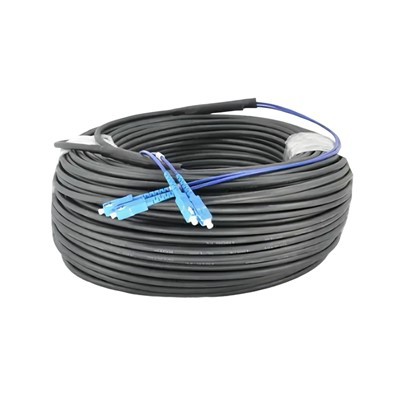
Armored vs. Non-Armored
When you pick between armored and non-armored fiber optic patch cables, it is important to know how each one works in real life. Armored cables protect well against crushing, animals, and tough weather. Non-armored cables are good for safe, indoor places where nothing heavy or dangerous will touch them.
|
Feature |
Armored Optical Cable |
Non-Armored Optical Cable |
|---|---|---|
|
Mechanical Strength |
High (crush, tensile, rodent resistant) |
Moderate (relies on FRP/aramid, jacket) |
|
Weight |
Heavy, bulky |
Light, compact |
|
Flexibility |
Rigid, large bend radius |
Flexible, small bend radius |
|
Installation |
Harder in ducts or risers |
Easy to handle and pull |
|
Cost (Initial) |
Higher (20–30% more) |
Lower upfront |
|
Lifecycle Cost |
Lower in harsh environments (fewer repairs) |
Higher if exposed to rodents or crushing |
|
Service Life |
20–30 years in outdoor/industrial |
10–15 years indoors, less outdoors |
|
Best Applications |
Underground, ports, rural, industrial |
Data centers, indoor FTTH, conduits |
Tip: Armored fiber optic patch cables help you worry less in hard places. You pay more at the start, but you save money later because you do not fix them as much.
Alternative Protection Methods
You can also use conduit-based protection for your fiber optic cables. Conduits are tubes that cover the cable, but they are harder to put in. You need more time and workers to install conduits, which makes your project cost more. Armored fiber optic patch cables are easier to install and cost less overall.
|
Method |
Installation Complexity |
Cost |
|---|---|---|
|
Conduit-based protection |
More intricate |
Higher (time and labor) |
|
Armored fiber optic cable |
Enhanced flexibility |
Lower (simplified install) |
Conduits are best for buildings that already have paths for cables.
Armored cables work better outside, underground, or in factories where you need a quick and strong setup.
Callout: Using armored fiber optic patch cables instead of tricky conduit systems helps you finish faster and lowers your risk.
Industry Innovations
The armored fiber optic patch cable market is growing fast. People want faster internet, 5G, and strong data centers, so the need for these cables is rising. Companies are making new materials and designs to make cables work better and last longer. Thermoplastic polyurethane (TPU) jackets, for example, make cables bend easier and stand up to chemicals better than old jackets.
Big companies in North America, Asia Pacific, and Europe try to make cables that last longer and carry more data. These new cables give you more bandwidth, less delay, and better safety in rough places.
New cable designs help with smart factories and new technology.
Stronger armor materials like TPU and better steel make cables last longer and need fewer repairs.
The market now has special cables for your exact job.
Note: If you pick the newest armored fiber optic patch cable, your network will be ready for the future and you get more value for your money.
Picking the right armored fiber optic patch cable keeps your network safe from harm and stops it from going down. You get strong and steady performance if you look at crush resistance, indoor/outdoor ratings, and IP codes:
The cable's layers and jacket help protect the fibers in hard places.
Indoor/outdoor ratings help stop problems and follow safety rules.
IP codes make sure the cable blocks dust and water.
You help your business by spending less on repairs and making work smoother. Think about what you need, talk to good suppliers, and follow the rules so your network works well for a long time.

FAQ
Why should you choose armored fiber optic patch cable for industrial environments?
Armored fiber optic patch cable keeps your network safe in tough places. It protects against crushing, rodents, and bad weather. You spend less time fixing things and save money. Your data moves well in factories, tunnels, and outside.
Why does crush resistance matter for your network reliability?
Crush resistance helps your cable stay safe from heavy machines and people. This stops signal loss and costly repairs. Your network keeps working in busy or dangerous spots.
Why do indoor/outdoor ratings affect your cable selection?
Indoor/outdoor ratings tell you if your cable is safe for certain places. They help stop fires and chemical harm. You also follow rules from NEC, UL, and other groups.
Why is the IP68 rating important for outdoor fiber optic installations?
IP68 rating means your cable blocks all dust and water. Your network keeps working during floods, storms, or lots of dust. You have fewer outages and spend less on repairs.
Why do B2B buyers prefer cables with certification and compliance?
Certified cables follow strict industry rules. You avoid legal trouble and project delays. You trust the cable will work well and stay safe for a long time.
Why does armor material choice impact your ROI?
Steel armor gives the best crush resistance and lasts longest. Aluminum is lighter and can cost less. You pick the right armor for your space and get more value.
Why should you consider future-proofing with advanced cable materials?
New materials like TPU jackets make cables bend easier and resist chemicals. Your network gets ready for faster speeds and harder jobs. You fix things less and your cables last longer.
Why is supplier reliability crucial for armored fiber optic patch cable procurement?
Good suppliers send certified cables on time. You do not have to wait or worry about bad quality. Your network works well and you spend less over time.