



Introduction
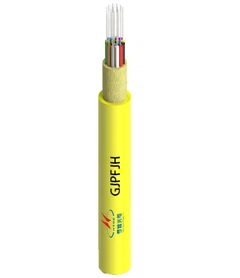
The rapid expansion of fiber-optic networks has necessitated the development of efficient and cost-effective solutions for last-mile connectivity. Among these solutions, pre-connectorized drop cables have emerged as a critical component in fiber-to-the-home (FTTH), fiber-to-the-premises (FTTP), and other broadband deployment scenarios. These cables are factory-terminated with connectors, eliminating the need for field splicing and significantly reducing installation time and labor costs. This essay explores the key applications, advantages, and considerations of pre-connectorized drop cables in modern telecommunications infrastructure.

Key Applications
1. Fiber-to-the-Home (FTTH) Networks
Pre-connectorized drop cables are widely used in FTTH deployments to provide high-speed internet, voice, and video services to residential and commercial customers. Their plug-and-play design allows technicians to quickly connect subscribers without the need for specialized splicing equipment, accelerating service activation and reducing downtime.

2. Data Centers and Enterprise Networks
In data centers and enterprise environments, pre-connectorized drop cables facilitate rapid deployment and reconfiguration of fiber connections. Their reliability and ease of installation make them ideal for high-density cabling environments where flexibility and scalability are essential.
3. Mobile Backhaul and 5G Networks
With the rollout of 5G networks, mobile operators require efficient fiber solutions to support increased bandwidth demands. Pre-connectorized drop cables enable fast and reliable connections between cell towers and central offices, ensuring low-latency and high-capacity backhaul links.
4. Multi-Dwelling Units (MDUs) and Campus Networks
In multi-tenant buildings, universities, and large campuses, pre-connectorized drop cables simplify the distribution of fiber-optic services. Their compact and lightweight design allows for easy routing through conduits and risers, minimizing disruption during installation.
Advantages of Pre-connectorized Drop Cables
Time and Cost Efficiency – Eliminates the need for field splicing, reducing labor expenses and installation time.
Consistent Performance – Factory-terminated connectors ensure high-quality, low-loss connections compared to field-terminated alternatives.
Flexibility and Scalability – Allows for quick upgrades and modifications without extensive rework.
Durability and Reliability – Designed to withstand environmental factors such as moisture, temperature fluctuations, and mechanical stress.
Considerations for Deployment
While pre-connectorized drop cables offer numerous benefits, proper planning is essential to maximize their effectiveness. Factors such as cable length, bend radius, connector type (e.g., SC, LC, or MPO), and environmental conditions must be evaluated to ensure optimal performance. Additionally, proper cable management is crucial to prevent signal degradation due to excessive bending or tension.
Conclusion
Pre-connectorized drop cables play a pivotal role in modern fiber-optic networks by streamlining installations, reducing costs, and enhancing reliability. Their applications span across residential, commercial, and mobile networks, making them a versatile solution for high-speed connectivity. As demand for faster and more efficient broadband services grows, the adoption of pre-connectorized drop cables will continue to rise, reinforcing their importance in the telecommunications industry.
By leveraging these advanced cabling solutions, service providers and network operators can achieve faster deployments, improved service quality, and greater operational efficiency-key factors in meeting the evolving demands of digital connectivity. If you want to know more please get contact with me by jenny@htgd.com.cn