

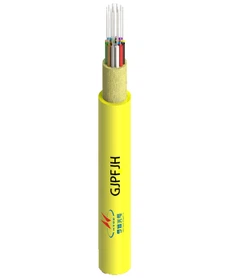


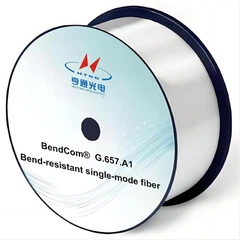
As a provider of optical cables for vertical wiring in buildings, I've had the privilege of being involved in numerous projects within clean room environments. Clean rooms demand a high - level of precision and strict adherence to installation procedures to ensure the optimal performance of optical cables. In this blog, I'll share the detailed installation procedures for optical cables in vertical wiring within building clean rooms.
Pre - installation Preparations
Site Inspection
Before any installation work begins, a thorough site inspection is crucial. In a clean room environment, the inspection should focus on the structural integrity of the building, the availability of cable pathways, and the location of termination points. Measure the vertical distance from the basement or equipment room to the upper floors where the cables will be routed. Check for any potential obstacles such as ducts, pipes, or other infrastructure that might impede the cable installation.
Cable Selection
Choosing the right optical cable is essential for a successful vertical wiring project in a clean room. We offer a range of products suitable for this purpose, including the Easy Branches Indoor Riser Cable, Multi cores easily branched optical cable, and Indoor Multi Core Tight - buffered Cable. Consider factors such as the required bandwidth, the number of fibers, and the environmental conditions in the clean room. For example, if high - speed data transmission is needed, a cable with a higher fiber count and better attenuation characteristics might be required.
Material and Equipment Preparation
Gather all the necessary materials and equipment for the installation. This includes cable trays, cable hangers, fiber optic splicers, fusion splicing protection sleeves, and cleaning agents. Ensure that all equipment is in good working condition and calibrated properly. In a clean room, it's also important to use clean - room - compatible tools to prevent contamination.
Cable Pathway Installation
Cable Trays and Conduits
Install cable trays or conduits along the vertical route. Cable trays provide a convenient and organized way to route multiple cables, while conduits offer additional protection for the cables. Make sure the trays and conduits are securely fastened to the building structure and are level and plumb. In a clean room, the trays and conduits should be made of materials that are non - shedding and easy to clean.
Cable Hangers
Install cable hangers at regular intervals along the cable pathway. The hangers should be spaced appropriately to support the weight of the cables without causing excessive tension. In vertical wiring, the hangers help to prevent the cables from sagging and ensure a straight and stable installation. Adjust the tension of the hangers to avoid any sharp bends or kinks in the cables.
Cable Pulling
Cable Preparation
Before pulling the cable, carefully inspect it for any damage. Clean the cable using a lint - free cloth and a suitable cleaning agent to remove any dust or debris. Mark the cable at regular intervals to facilitate the pulling process and to ensure proper alignment.
Pulling the Cable
Use a cable pulling machine or a manual pulling method, depending on the length and weight of the cable. When using a pulling machine, ensure that the pulling force is within the manufacturer's recommended limits to prevent damage to the cable. In a clean room, it's important to minimize the generation of dust during the pulling process. Use clean - room - rated lubricants if necessary to reduce friction.
Cable Support During Pulling
As the cable is being pulled, provide support at regular intervals to prevent it from sagging or getting caught on any obstacles. Use additional cable hangers or guides to keep the cable in place. Monitor the pulling process closely to ensure that the cable is being pulled smoothly and without any signs of damage.
Cable Termination
Fiber Optic Splicing
Once the cable is in place, perform fiber optic splicing at the termination points. There are two main types of splicing: fusion splicing and mechanical splicing. Fusion splicing provides a low - loss and permanent connection, while mechanical splicing is quicker and easier but may have slightly higher losses. In a clean room, it's important to perform splicing in a clean and controlled environment. Use a fiber optic splicer to align and fuse the fibers together, and then protect the splice with a fusion splicing protection sleeve.
Connector Installation
Install fiber optic connectors at the ends of the cables. Clean the connector ferrules using a cleaning stick and a cleaning solution to remove any dust or debris. Insert the connector into the adapter and ensure a proper connection. Test the connector using an optical time - domain reflectometer (OTDR) or a light source and power meter to verify the performance of the connection.


Testing and Commissioning
Optical Performance Testing
After the installation and termination are complete, perform optical performance testing on the cables. Use an OTDR to measure the attenuation and reflectance of the fibers. Check for any breaks, bends, or other defects in the cables. Compare the test results with the manufacturer's specifications to ensure that the cables are performing within the acceptable range.
Network Testing
Connect the optical cables to the network equipment and perform network testing. Test the data transmission speed, latency, and reliability of the network. Check for any packet loss or errors. Make any necessary adjustments to the network settings or the cable installation to optimize the performance.
Post - installation Clean - up
In a clean room environment, post - installation clean - up is essential. Remove all tools, materials, and debris from the installation site. Clean the cable trays, conduits, and termination points using a clean - room - compatible cleaning agent. Ensure that the clean room meets the required cleanliness standards before returning it to normal operation.
Conclusion
Installing optical cables for vertical wiring in a building clean room requires careful planning, precise execution, and strict adherence to installation procedures. By following the steps outlined in this blog, you can ensure a successful installation that provides reliable and high - performance optical communication. If you're interested in our optical cables for vertical wiring in buildings or have any questions about the installation process, we'd be more than happy to assist you. Please reach out to us to start a procurement discussion and find the best solution for your project.
References
- "Fiber Optic Installation and Maintenance Handbook"
- Industry standards for clean room construction and optical cable installation