

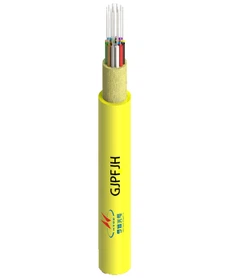


As a seasoned supplier of air - blown micro cables, I've witnessed firsthand the challenges that come with the installation process. Air - blown micro cables are a revolutionary solution in the field of optical communication, offering high - density fiber deployment in a compact and efficient way. However, their delicate nature means they are prone to damage during installation. In this blog, I'll share some key strategies to prevent air - blown micro cables from being damaged during installation.
Understanding the Basics of Air - Blown Micro Cables
Before delving into prevention methods, it's essential to understand what air - blown micro cables are. These cables are designed to be installed using compressed air in pre - installed micro ducts. They typically have a smaller diameter compared to traditional cables, which allows for higher fiber counts in a given space. There are different types of air - blown micro cables, such as Enhanced Performance Fibre Units, Stranded Loose Tube Micro Air Blown Cable, and Center Tube Micro Air Blown Cable. Each type has its own characteristics, but they all require careful handling during installation.
Pre - Installation Preparations
Site Inspection
A thorough site inspection is the first step in preventing cable damage. Check the micro ducts for any physical damage, such as cracks, bends, or blockages. Inspect the route where the cable will be installed, looking for sharp turns, elevation changes, or areas where the duct might be exposed to external forces. Any issues found during the inspection should be addressed before the installation begins. For example, if there is a blockage in the micro duct, it can cause excessive stress on the cable during the blowing process, leading to damage.
Cable Selection
Choosing the right cable for the specific installation requirements is crucial. Consider factors such as the length of the installation, the number of fibers needed, and the environmental conditions. Different types of air - blown micro cables have different performance characteristics. For instance, if the installation involves a long - distance run with multiple bends, a cable with better flexibility and tensile strength might be more suitable. As a supplier, I always recommend working closely with the installation team to ensure the appropriate cable is selected.


Equipment Check
Ensure that all the installation equipment is in good working condition. This includes the air - blowing machine, the cable feeder, and any other accessories. Check the air compressor for proper air pressure and flow rate. Incorrect air pressure can either cause the cable to move too slowly, increasing the risk of jamming, or too quickly, leading to over - stressing and damage. Regular maintenance and calibration of the equipment are essential to prevent malfunctions during installation.
Installation Process
Cable Feeding
Proper cable feeding is vital to prevent damage. The cable should be fed into the micro duct smoothly and at a consistent speed. Avoid any sudden jerks or stops during the feeding process, as this can cause the cable to kink or break. Use a cable feeder that is specifically designed for air - blown micro cables. The feeder should be adjusted to match the diameter and characteristics of the cable. Additionally, make sure that the cable is not twisted or tangled before it enters the duct.
Air Pressure Control
Maintaining the correct air pressure is one of the most critical aspects of the installation. The air pressure should be adjusted based on the length of the duct, the type of cable, and the number of bends. Too high a pressure can cause the cable to be forced through the duct too quickly, resulting in abrasion and damage to the outer sheath. On the other hand, too low a pressure may not be sufficient to push the cable through the duct, leading to jamming. Continuously monitor the air pressure during the installation process and make adjustments as needed.
Bend Radius Management
Air - blown micro cables have a minimum bend radius that must be maintained during installation. Bending the cable beyond this radius can cause signal loss and physical damage to the fibers. When installing the cable around bends, use proper bending tools or guides to ensure that the bend radius is within the acceptable range. Mark the minimum bend radius on the installation site to remind the installation team. For example, if the minimum bend radius of a particular cable is 10 times its outer diameter, make sure that all bends in the duct are designed and installed accordingly.
Duct Lubrication
Applying a suitable lubricant to the inside of the micro duct can significantly reduce friction during the cable - blowing process. This helps the cable move more smoothly through the duct, reducing the risk of abrasion and damage. There are different types of lubricants available, and the choice depends on the type of cable and the duct material. Make sure to follow the manufacturer's recommendations when selecting and applying the lubricant. Over - lubrication can also be a problem, as it can cause the cable to slide too easily and potentially get misaligned.
Post - Installation Checks
Visual Inspection
After the cable has been installed, conduct a visual inspection of the entire length of the cable. Look for any signs of damage, such as cuts, abrasions, or kinks on the outer sheath. Check the cable terminations to ensure that they are properly installed and there are no visible signs of damage. If any damage is detected, it should be repaired or replaced immediately to prevent future problems.
Optical Testing
Perform optical testing on the installed cable to verify its performance. This includes measuring the optical loss, the bandwidth, and the signal strength. Any significant deviations from the expected values may indicate damage to the fibers inside the cable. Use professional optical testing equipment and follow the appropriate testing procedures. If the test results are not satisfactory, further investigation may be required to identify and fix the problem.
Environmental Considerations
Temperature and Humidity
Extreme temperatures and high humidity can affect the performance and integrity of air - blown micro cables. During installation, try to avoid working in very hot or cold conditions. High temperatures can cause the cable sheath to soften, making it more susceptible to damage. Low temperatures can make the cable more brittle. Similarly, high humidity can lead to moisture ingress, which can damage the fibers over time. If installation must be carried out in adverse environmental conditions, take appropriate measures such as using climate - controlled enclosures or dehumidifiers.
Chemical Exposure
Avoid exposing the cable to any chemicals that could damage the cable sheath or the fibers. This includes solvents, acids, and alkalis. If the installation site is near a chemical - handling area, take extra precautions to protect the cable. Use protective barriers or coatings if necessary.
Training and Education
Installation Team Training
Provide comprehensive training to the installation team. They should be familiar with the characteristics of air - blown micro cables, the installation process, and the potential risks of damage. Training should cover topics such as equipment operation, cable handling, and safety procedures. Regular refresher courses can also help keep the team updated on the latest installation techniques and best practices.
Safety Awareness
Emphasize safety awareness during the installation process. This includes wearing appropriate personal protective equipment (PPE), such as gloves and safety glasses. Make sure that the installation team is aware of the potential hazards associated with working with compressed air and electrical equipment. A safe working environment not only protects the installation team but also reduces the risk of cable damage due to accidents.
Conclusion
Preventing air - blown micro cables from being damaged during installation requires a combination of proper planning, careful execution, and post - installation checks. By following the strategies outlined in this blog, you can significantly reduce the risk of cable damage and ensure a successful installation. As a supplier of air - blown micro cables, I'm committed to providing high - quality products and supporting our customers throughout the installation process. If you have any questions or need further assistance with your air - blown micro cable installation, please don't hesitate to contact us for a detailed discussion and potential procurement.
References
- Optical Fiber Cable Installation Handbook.
- Industry standards and guidelines for air - blown micro cable installation.