



Hey there! As a supplier of optical cables for vertical wiring in buildings, I've seen my fair share of issues when it comes to protecting these cables from pests other than rodents. It's a real headache, but don't worry, I've got some tips and tricks to share with you on how to keep those pesky critters at bay.
First off, let's talk about what kind of pests we're dealing with here. We're not just talking about rats and mice. There are all sorts of insects, birds, and even squirrels that can cause damage to your optical cables. Insects like termites, ants, and cockroaches can chew through the cable's outer sheath, exposing the delicate fiber optic strands inside. Birds might build nests on or near the cables, which can cause physical damage or block the signal. Squirrels, on the other hand, have a habit of gnawing on things, and your optical cables are no exception.
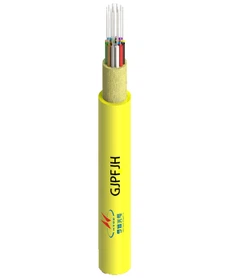
So, how do we protect our cables from these pests? Well, the first step is to choose the right type of cable. We offer a range of high - quality cables that are designed to withstand the elements and resist pest damage. For example, our Easy Branches Indoor Riser Cable is made with a durable outer sheath that can resist the chewing and scratching of many insects. It's also easy to install and branch, which makes it a great choice for vertical wiring in buildings.
Another great option is our Indoor Multi Core Tight - buffered Cable. This cable has a tight - buffered design that provides extra protection for the fiber optic strands. The tight buffer acts as a barrier against pests, making it more difficult for them to reach the sensitive fibers. And with multiple cores, you can have more flexibility in your wiring setup.
Our Multi cores easily branched optical cable is also a top - notch choice. It combines the benefits of easy branching with excellent pest resistance. The cable's construction is such that it can handle the wear and tear of daily use, as well as the potential threats from pests.
In addition to choosing the right cable, proper installation is crucial. When installing the cables, make sure they are routed away from areas where pests are likely to be. For example, avoid running the cables near trees or bushes where birds and squirrels might be nesting. Also, make sure the cables are installed in a way that they are not in contact with the ground or other surfaces where insects might crawl.
Sealing is another important aspect. Use high - quality sealants to close any gaps or openings in the cable trays, conduits, or other enclosures where the cables are installed. This will prevent insects from getting inside and causing damage. You can also use mesh screens on vents and openings to keep birds and larger pests out.
Regular inspections are a must. Check your cables on a regular basis for any signs of pest damage. Look for chewed or frayed areas on the cable sheath, nests, or any other signs of pest activity. If you notice any problems, address them immediately. You might need to replace a damaged section of the cable or take steps to remove the pests.
Using pest repellents can also be an effective strategy. There are many natural and chemical pest repellents available on the market. For example, some essential oils like peppermint and eucalyptus can repel insects. You can apply these oils around the areas where the cables are installed. However, be careful when using chemical repellents, as they might have an impact on the cable's performance if not used correctly.
Now, let's talk about maintenance. Keeping the area around the cables clean is important. Remove any debris, leaves, or other organic matter that might attract pests. A clean environment is less likely to harbor insects, birds, or squirrels.


When it comes to long - term protection, consider using cable enclosures. These enclosures can provide an extra layer of protection for your cables. They can be made of metal, plastic, or other materials and can be designed to fit the specific needs of your building.
In conclusion, protecting your optical cables for vertical wiring in buildings from pests other than rodents requires a combination of the right cable selection, proper installation, regular inspections, and maintenance. By following these tips, you can ensure that your cables remain in good condition and provide reliable service for years to come.
If you're interested in purchasing high - quality optical cables for vertical wiring in buildings or need more advice on pest protection, don't hesitate to reach out. We're here to help you find the best solutions for your needs.
References
- "Optical Fiber Cable Installation and Maintenance Handbook"
- "Pest Control in Building Infrastructure"
- Industry reports on optical cable protection against pests