



As a supplier of underground fibre optic cables, I've witnessed firsthand the various challenges that can lead to cable failures. Understanding these common issues is crucial for ensuring reliable communication networks and minimizing downtime. In this blog post, I'll explore some of the most prevalent failures of underground fibre optic cables and discuss how to mitigate them.
Mechanical Damage
One of the primary causes of underground fibre optic cable failures is mechanical damage. This can occur during installation, maintenance, or due to external factors such as construction activities or natural disasters. For instance, improper handling during installation can lead to kinking, bending, or crushing of the cables, which can cause signal loss or complete cable failure. Similarly, excavation work near the cable route can accidentally sever the cables, resulting in service disruptions.
To prevent mechanical damage, it's essential to follow proper installation procedures and use appropriate protective measures. This includes using cable ducts or conduits to shield the cables from physical impact and ensuring that they are installed at a sufficient depth to avoid damage from surface activities. Additionally, regular inspections and maintenance can help identify and address any potential issues before they escalate into major problems.
Environmental Factors
Underground fibre optic cables are exposed to a variety of environmental factors that can degrade their performance over time. Moisture, temperature fluctuations, and chemical exposure are some of the most common environmental challenges that can affect cable integrity. Moisture, in particular, can cause corrosion of the cable's metal components and damage the optical fibres, leading to signal loss and reduced lifespan.
To protect against environmental factors, it's important to choose cables that are designed to withstand the specific conditions of the installation site. For example, cables with a waterproof jacket and moisture-resistant materials can help prevent water ingress and protect the fibres from damage. Additionally, proper cable routing and installation techniques can help minimize exposure to extreme temperatures and chemicals.


Rodent and Insect Damage
Rodents and insects can also pose a significant threat to underground fibre optic cables. Rodents, in particular, are known to chew on cables, which can cause physical damage and disrupt the signal. Insects, such as termites, can also damage the cable's protective jacket and insulation, leading to moisture ingress and signal degradation.
To prevent rodent and insect damage, it's important to use cables that are resistant to chewing and burrowing. Some cables are designed with a special coating or armour that can deter rodents and insects from damaging the cables. Additionally, installing the cables in a protected environment, such as a cable duct or conduit, can help reduce the risk of damage.
Electrical Interference
Underground fibre optic cables can be susceptible to electrical interference from nearby power lines, electrical equipment, or lightning strikes. Electrical interference can cause signal distortion, noise, and even complete cable failure. To minimize the risk of electrical interference, it's important to follow proper installation procedures and ensure that the cables are installed at a safe distance from electrical sources.
Additionally, using cables with a shielded design can help protect against electrical interference. Shielded cables are designed with a conductive layer that can absorb and dissipate electrical energy, reducing the risk of interference.
Aging and Degradation
Over time, underground fibre optic cables can experience aging and degradation due to normal wear and tear. The optical fibres can become brittle and break, and the cable's protective jacket and insulation can deteriorate, leading to signal loss and reduced lifespan. To prevent aging and degradation, it's important to choose high-quality cables that are designed to withstand the rigors of underground installation.
Additionally, regular inspections and maintenance can help identify and address any signs of aging or degradation before they escalate into major problems. This includes checking the cable's integrity, testing the signal strength, and replacing any damaged or worn components as needed.
Solutions and Mitigation Strategies
To address the common failures of underground fibre optic cables, it's important to implement a comprehensive solution that includes proper installation, maintenance, and protection measures. Here are some of the key solutions and mitigation strategies that can help ensure the reliability and longevity of underground fibre optic cables:
- Choose the Right Cable: Select cables that are specifically designed for underground installation and are suitable for the environmental conditions of the installation site. Consider factors such as moisture resistance, temperature tolerance, and mechanical strength when choosing a cable.
- Follow Proper Installation Procedures: Ensure that the cables are installed by trained professionals using proper installation techniques. This includes using appropriate tools and equipment, following the manufacturer's guidelines, and ensuring that the cables are installed at a sufficient depth and with proper support.
- Implement Regular Inspections and Maintenance: Conduct regular inspections and maintenance to identify and address any potential issues before they escalate into major problems. This includes checking the cable's integrity, testing the signal strength, and replacing any damaged or worn components as needed.
- Use Protective Measures: Install the cables in a protected environment, such as a cable duct or conduit, to shield them from physical impact, moisture, and other environmental factors. Additionally, use cables with a waterproof jacket and moisture-resistant materials to prevent water ingress and protect the fibres from damage.
- Monitor and Manage the Network: Implement a network monitoring system to track the performance of the underground fibre optic cables and detect any potential issues in real-time. This can help identify and address problems quickly, minimizing downtime and ensuring reliable communication.
Conclusion
Underground fibre optic cables are a critical component of modern communication networks, providing high-speed and reliable connectivity for a variety of applications. However, they are also susceptible to a variety of failures that can disrupt service and cause significant downtime. By understanding the common causes of underground fibre optic cable failures and implementing appropriate solutions and mitigation strategies, it's possible to ensure the reliability and longevity of these cables.
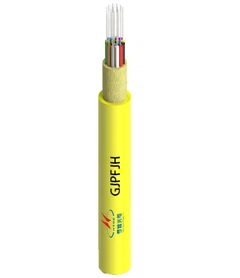
If you're in the market for high-quality underground fibre optic cables, we offer a range of products that are designed to meet the needs of various applications. Our Multi Tube Single Jacket Metal Tape Armored Duct Cable, FRP Strength Member Multitube Single Jacket Duct Cable, and Multi Tube Double Jacket and Armored Direct Buried Cable are all engineered to provide superior performance and reliability in underground environments.
If you have any questions or would like to discuss your specific requirements, please don't hesitate to contact us. Our team of experts is always available to provide you with the information and support you need to make an informed decision.
References
- "Fiber Optic Cable Installation Best Practices," Fiber Optic Association.
- "Underground Fiber Optic Cable Installation Guide," CommScope.
- "Environmental Considerations for Fiber Optic Cables," Corning.