



As a seasoned single mode fiber supplier, I often encounter inquiries regarding the suitability of single mode fiber for outdoor use. This topic is crucial for many customers, especially those in the telecommunications, broadband, and smart city sectors, who need reliable and high - performance fiber solutions for their outdoor projects. In this blog, I will delve into the technical aspects, advantages, challenges, and best practices of using single mode fiber outdoors.
Technical Characteristics of Single Mode Fiber
Single mode fiber is designed to carry a single ray of light, or mode, along its core. The core diameter of single mode fiber is typically around 9 microns, which is much smaller compared to multimode fiber. This small core size allows for lower attenuation and higher bandwidth over long distances. The most common operating wavelengths for single mode fiber are 1310 nm and 1550 nm, where the fiber exhibits excellent transmission characteristics.
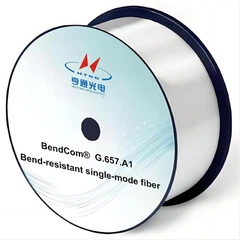
One of the key standards for single mode fiber is the ITU - T G.652, which is widely used in general telecommunications networks. Our company also offers advanced single mode fibers such as G.657.A1 - PLUS and G.657.A1, which are specifically designed for bend - insensitive applications. Another product, LL - G.652.D, provides low - loss performance, making it ideal for long - haul and high - speed transmission.
Advantages of Using Single Mode Fiber Outdoors
Long - Distance Transmission
One of the most significant advantages of single mode fiber for outdoor applications is its ability to support long - distance transmission. In outdoor environments, such as between buildings, across campuses, or in rural areas, the need for reliable communication over several kilometers is common. Single mode fiber can transmit signals over distances of up to 100 kilometers or more without the need for repeaters, depending on the transmission equipment and the fiber's attenuation characteristics.
High Bandwidth
With the increasing demand for high - speed data transmission, such as 5G networks, video surveillance, and cloud computing, single mode fiber offers the necessary bandwidth. It can support data rates of up to 100 Gbps or even higher, ensuring that outdoor networks can handle large volumes of data traffic efficiently.
Immunity to Electromagnetic Interference
Outdoor environments are often exposed to various sources of electromagnetic interference (EMI), such as power lines, radio frequency emissions, and lightning. Single mode fiber is made of glass or plastic, which is non - conductive and immune to EMI. This makes it a reliable choice for outdoor installations, as it can maintain signal integrity even in the presence of strong electromagnetic fields.
Environmental Resistance
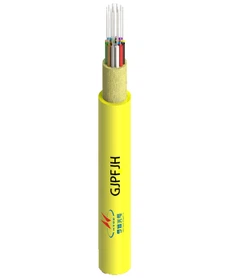
Single mode fiber cables are designed to withstand harsh environmental conditions. They are typically protected by outer jackets made of materials such as polyethylene or polyvinyl chloride (PVC), which provide resistance to moisture, UV radiation, and temperature variations. Some cables are also armored with steel or aluminum to protect against physical damage from rodents, construction activities, or natural disasters.
Challenges of Using Single Mode Fiber Outdoors
Installation Difficulties
Installing single mode fiber outdoors can be more challenging compared to indoor installations. The cables need to be buried underground, installed on poles, or laid in ducts, which requires specialized equipment and expertise. The terrain, soil conditions, and existing infrastructure can also pose challenges during installation. For example, rocky soil may require more effort to dig trenches, and existing utility lines may need to be carefully avoided.


Maintenance and Repair
Once installed, single mode fiber cables need to be regularly maintained to ensure optimal performance. Outdoor cables are more likely to be damaged by external factors such as weather, animals, or human activities. Repairing a damaged fiber cable outdoors can be time - consuming and costly, as it often requires specialized testing equipment and splicing techniques.
Cost
The initial cost of single mode fiber cables and associated equipment can be relatively high. In addition to the cost of the cables themselves, there are also costs for installation, testing, and maintenance. However, it is important to consider the long - term benefits of single mode fiber, such as its high performance and reliability, which can offset the initial investment over time.
Best Practices for Outdoor Installation of Single Mode Fiber
Site Survey
Before installing single mode fiber outdoors, a detailed site survey should be conducted. This includes assessing the terrain, soil conditions, existing infrastructure, and potential sources of interference. The survey results can help in determining the best route for the cable installation and identifying any potential challenges that need to be addressed.
Proper Cable Selection
Choosing the right type of single mode fiber cable is crucial for outdoor applications. Consider factors such as the distance of the transmission, the environmental conditions, and the required bandwidth. For example, if the cable needs to be buried underground, a direct - buried cable with appropriate moisture and rodent protection should be selected.
Installation Techniques
Proper installation techniques are essential to ensure the long - term performance of single mode fiber cables. The cables should be laid in a way that minimizes stress and bending. When splicing or terminating the fibers, strict quality control measures should be followed to ensure low - loss connections.
Protection and Monitoring
To protect the single mode fiber cables from damage, appropriate protection measures should be implemented. This includes using cable ducts, manholes, and protective sleeves. Additionally, a monitoring system should be installed to detect any potential issues with the cable, such as changes in signal strength or attenuation.
Conclusion
In conclusion, single mode fiber can indeed be used outdoors, and it offers numerous advantages for outdoor applications. Its long - distance transmission capabilities, high bandwidth, immunity to electromagnetic interference, and environmental resistance make it a reliable choice for various outdoor networks. However, it also presents some challenges, such as installation difficulties, maintenance requirements, and cost. By following best practices for outdoor installation and considering the specific requirements of each project, the benefits of single mode fiber can be fully realized.
If you are considering using single mode fiber for your outdoor project, I encourage you to contact us for more information. Our team of experts can provide you with the right product recommendations, installation guidance, and technical support. We are committed to helping you build reliable and high - performance outdoor networks.
References
- ITU - T G.652: Characteristics of a single - mode optical fibre cable.
- ITU - T G.657: Characteristics of bend - insensitive single - mode optical fibres and cables.
- Various industry reports on optical fiber technology and outdoor network applications.