



As a supplier of optical cables for vertical wiring in buildings, I've encountered numerous inquiries regarding industry standards for these essential components. In this blog, I'll delve into the existence of such standards, their significance, and how our products align with them.
The Need for Industry Standards
Vertical wiring in buildings plays a crucial role in establishing reliable communication networks. Optical cables are the backbone of these systems, transmitting data at high speeds over long distances. Without proper standards, the quality and performance of these cables can vary significantly, leading to compatibility issues, signal degradation, and potential safety hazards.
Industry standards provide a common framework for manufacturers, installers, and end - users. They ensure that optical cables meet specific requirements in terms of design, materials, performance, and safety. This consistency not only enhances the overall quality of the wiring infrastructure but also simplifies the installation and maintenance processes.
Existing Industry Standards
There are indeed several well - recognized industry standards for optical cables used in vertical wiring in buildings. One of the most prominent is the Telecommunications Industry Association (TIA) standard. The TIA has developed a series of standards, such as TIA - 568. This standard covers the requirements for commercial building telecommunications cabling, including optical fiber cabling for vertical and horizontal wiring.
TIA - 568 specifies parameters like cable construction, fiber type, attenuation, bandwidth, and mechanical properties. For example, it defines the acceptable levels of signal loss (attenuation) over a given length of cable, which is crucial for maintaining high - quality data transmission. Additionally, it provides guidelines on cable jacket materials to ensure fire resistance and safety in building environments.
Another important standard is the International Electrotechnical Commission (IEC) standard. The IEC 60793 series focuses on optical fiber cables, including those used in building wiring. These standards address aspects such as fiber geometry, transmission characteristics, and environmental performance. They are widely recognized globally and help in ensuring the interoperability of optical cables from different manufacturers.
Our Product Range and Compliance
At our company, we understand the importance of adhering to these industry standards. Our product range includes a variety of optical cables designed specifically for vertical wiring in buildings, each of which is compliant with the relevant TIA and IEC standards.
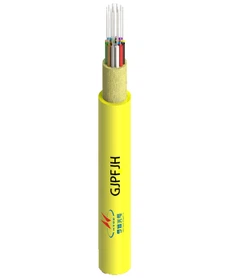
One of our popular products is the Indoor Multi Core Tight - buffered Cable. This cable features multiple cores within a tight - buffered structure, which provides excellent protection for the optical fibers. It is designed to meet the strict requirements of building vertical wiring, with low attenuation and high bandwidth capabilities. The tight - buffered design also makes it easy to handle and terminate, reducing installation time and costs.
We also offer the Multi cores easily branched optical cable. As the name suggests, this cable is designed for easy branching, which is often required in building vertical wiring systems where connections need to be made at multiple floors. It is constructed using high - quality materials and follows the industry standards to ensure reliable performance.
The Easy Branches Indoor Riser Cable is another product in our portfolio. This cable is specifically designed for vertical riser applications in buildings. It has a fire - resistant jacket to meet the safety requirements of building codes. The easy - branching feature allows for quick and efficient installation, making it an ideal choice for large - scale building projects.
Benefits of Using Standard - Compliant Cables
Using optical cables that comply with industry standards offers several benefits. Firstly, it ensures the long - term reliability of the wiring system. Standard - compliant cables are less likely to experience signal degradation over time, which means fewer maintenance issues and lower downtime.
Secondly, it provides compatibility with other network components. When all the cables in a building wiring system meet the same standards, they can work together seamlessly, reducing the risk of compatibility problems.


Thirdly, it enhances safety. Standards often include requirements for fire resistance and other safety features, which are essential in building environments. By using standard - compliant cables, building owners can ensure the safety of their occupants.
Conclusion
In conclusion, there are well - established industry standards for optical cables used in vertical wiring in buildings, such as the TIA and IEC standards. These standards play a vital role in ensuring the quality, performance, and safety of the wiring infrastructure. As a supplier, we are committed to providing products that comply with these standards. Our range of Indoor Multi Core Tight - buffered Cable, Multi cores easily branched optical cable, and Easy Branches Indoor Riser Cable are designed to meet the diverse needs of building vertical wiring projects.
If you are in the process of planning a building wiring project or looking to upgrade your existing system, we invite you to contact us for more information. Our team of experts can provide you with detailed product specifications, technical support, and pricing information. We look forward to working with you to meet your optical cable requirements for vertical wiring in buildings.
References
- Telecommunications Industry Association (TIA). TIA - 568 Commercial Building Telecommunications Cabling Standard.
- International Electrotechnical Commission (IEC). IEC 60793 Series on Optical Fiber Cables.