



Hey there! As a supplier of flat optical cables, I often get asked about the compressive strength of these cables. In this blog, I'm gonna break down what compressive strength means for flat optical cables, why it's important, and how it can impact your projects.
First off, let's understand what compressive strength is. Compressive strength refers to the ability of a material to withstand a crushing or squeezing force without being damaged. For flat optical cables, this is crucial because they can be subjected to various pressures during installation, operation, and even in storage.
Imagine you're installing a flat optical cable in a tight space, like under a floor or in a crowded rack. The cable might get compressed by other objects or by the weight of equipment on top of it. If the cable doesn't have sufficient compressive strength, it could lead to damage to the optical fibers inside, which would result in signal loss or even complete failure of the cable.
So, what factors affect the compressive strength of flat optical cables? Well, there are a few key elements. The first is the materials used in the cable's construction. High - quality materials, such as strong outer jackets and protective layers, can significantly enhance the cable's ability to resist compression. For example, some flat optical cables are made with a tough polymer outer jacket that provides excellent protection against external pressures.
Another factor is the cable's design. The way the optical fibers are arranged and supported within the cable can also impact its compressive strength. Cables with a well - engineered internal structure, where the fibers are properly cushioned and protected, are more likely to withstand compression.
Now, let's talk about how we measure the compressive strength of flat optical cables. Usually, manufacturers conduct tests using specialized equipment. They apply a gradually increasing compressive force to the cable until it shows signs of damage. The maximum force that the cable can withstand before damage occurs is recorded as its compressive strength. This value is typically expressed in units like Newtons per square millimeter (N/mm²) or pounds per square inch (psi).
As a flat optical cable supplier, I know that different applications require different levels of compressive strength. For instance, in a home network installation, the cables might not need extremely high compressive strength since they're likely to be installed in a relatively gentle environment. However, in industrial settings or data centers, where there's a lot of heavy equipment and movement, cables with high compressive strength are a must.
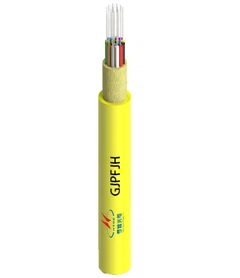
One of the products we offer is the Uni - tube Single Jacket Flat Cable. This cable is designed with a focus on high - performance and durability. It has a single - jacket design that provides good protection against compression while also being flexible enough for easy installation. The uni - tube structure helps to keep the optical fibers safe and secure, even when the cable is under pressure.
When choosing a flat optical cable for your project, it's important to consider the expected compressive forces it will face. You should also look at the cable's specifications provided by the manufacturer. Make sure to check the compressive strength rating and compare it with your requirements.
If you're unsure about which cable is right for you, don't hesitate to reach out. We have a team of experts who can help you select the best cable based on your specific needs. Whether you're working on a small - scale home project or a large - scale industrial installation, we can provide the right flat optical cable with the appropriate compressive strength.
In addition to compressive strength, there are other factors to consider when choosing a flat optical cable. These include the cable's bend radius, tensile strength, and environmental resistance. The bend radius determines how much the cable can be bent without causing damage to the fibers. Tensile strength is about the cable's ability to withstand pulling forces during installation. And environmental resistance is important if the cable will be exposed to harsh conditions like extreme temperatures, moisture, or chemicals.
We understand that every project is unique, and that's why we offer a wide range of flat optical cables with different features and specifications. Our goal is to provide you with the best - suited cable that meets all your requirements, including the right level of compressive strength.
If you're in the market for flat optical cables, I encourage you to contact us for a detailed discussion. We can provide you with samples, technical specifications, and pricing information. Our team is always ready to assist you in making the right choice for your project. Whether you're a contractor, an IT professional, or a DIY enthusiast, we have the products and expertise to support you.


In conclusion, the compressive strength of flat optical cables is a critical factor that can't be overlooked. It ensures the reliability and longevity of your optical network. By choosing the right cable with the appropriate compressive strength, you can avoid costly repairs and downtime. So, don't hesitate to get in touch with us if you have any questions or if you're ready to start your next project with high - quality flat optical cables.
References
- Industry standards for optical cable testing
- Manufacturer's technical documentation on flat optical cables