

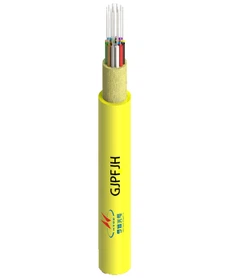


Hey there! I'm a supplier of ribbon fibre optic cables, and I often get asked about the temperature range for these cables. It's a crucial question because the temperature can significantly impact the performance and lifespan of the cable. So, let's dive right in and explore this topic.
Why Temperature Matters for Ribbon Fibre Optic Cables
First off, you might be wondering why temperature is such a big deal for ribbon fibre optic cables. Well, these cables are made up of multiple optical fibres arranged in a flat ribbon-like structure. The materials used in the cables, including the optical fibres themselves, the buffer coating, and the outer jacket, can all be affected by temperature changes.
When the temperature gets too high, the materials can expand, which might lead to microbends in the optical fibres. These microbends can cause light to leak out of the fibres, increasing signal loss and reducing the overall performance of the cable. On the other hand, extremely low temperatures can make the materials brittle, increasing the risk of breakage.
Typical Temperature Ranges
The temperature range for ribbon fibre optic cables can vary depending on the specific type and design of the cable. Generally speaking, most ribbon fibre optic cables are designed to operate within a temperature range of -20°C to 60°C (-4°F to 140°F).
However, some high - quality cables can withstand a wider temperature range. For instance, cables that are specifically designed for harsh environments, like those used in outdoor installations in extreme climates, can have an operating temperature range of -40°C to 85°C (-40°F to 185°F).
Factors Affecting Temperature Range
There are several factors that can affect the temperature range of a ribbon fibre optic cable.
Cable Construction
The construction of the cable plays a significant role. For example, cables with a more robust outer jacket and better insulation are likely to have a wider temperature range. Our Ribbon Slotted Core cables are designed with a slotted core structure that provides good protection for the optical fibres. The outer jacket is made of high - quality materials that can resist temperature changes, allowing these cables to operate effectively in a relatively wide temperature range.
Fibre Type
The type of optical fibres used in the cable also matters. Some fibres are more resistant to temperature changes than others. For example, single - mode fibres are generally more stable in different temperature conditions compared to multi - mode fibres.


Installation Environment
The environment where the cable is installed is another important factor. If the cable is installed indoors in a climate - controlled environment, it doesn't need to withstand extreme temperatures. However, if it's installed outdoors, underground, or in industrial settings, it needs to be able to handle a wider range of temperatures. Our Multi Tube Single Jacket Ribbon Cable is suitable for a variety of installation environments. It has a single jacket that provides basic protection, and it can operate well within the typical temperature range for most common applications.
Specialized Cables for Extreme Temperatures
For applications in extremely cold or hot environments, we offer specialized cables. Our Multi Tube Double Jacket Double Armored Ribbon Cable is a great option for such scenarios. The double jacket and double armor provide extra protection against temperature changes, mechanical stress, and other environmental factors. This cable can operate in a temperature range of -40°C to 85°C (-40°F to 185°F), making it suitable for use in places like oil rigs, mines, and high - altitude communication towers.
How to Choose the Right Cable Based on Temperature
When choosing a ribbon fibre optic cable, it's essential to consider the temperature conditions of the installation environment. Here are some tips:
- Assess the Environment: First, determine the minimum and maximum temperatures that the cable will be exposed to. If it's an outdoor installation, check the historical temperature data for the area.
- Consult the Manufacturer: If you're not sure which cable is suitable for your needs, don't hesitate to consult us. We have a team of experts who can help you select the right cable based on your specific requirements.
- Consider Future Expansion: Think about any potential future changes in the installation environment. If there's a possibility that the temperature conditions might become more extreme in the future, it's a good idea to choose a cable with a wider temperature range.
Conclusion
In conclusion, the temperature range for ribbon fibre optic cables is an important consideration when choosing a cable for your project. Understanding the typical temperature ranges, the factors that affect them, and how to choose the right cable based on temperature can help you ensure the optimal performance and longevity of your fibre optic network.
If you're in the market for ribbon fibre optic cables and have questions about temperature ranges or any other aspects of our products, we'd love to hear from you. We're here to provide you with the best solutions for your fibre optic needs. Whether you're working on a small - scale indoor project or a large - scale outdoor installation, we have the right cable for you. Get in touch with us to start a discussion about your requirements and let's work together to build a reliable fibre optic network.
References
- ITU - T G.652, Characteristics of a single - mode optical fibre cable and cable assemblies
- IEEE 802.3, Ethernet standard related to fibre optic cabling
- Manufacturer's specifications for ribbon fibre optic cables