



As a provider of anti rodent fiber optic cables, I've received numerous inquiries about whether these specialized cables require special connectors. To address this question comprehensively, let's delve into the nature of anti rodent fiber optic cables, the function of connectors, and the relationship between the two.
Understanding Anti Rodent Fiber Optic Cables
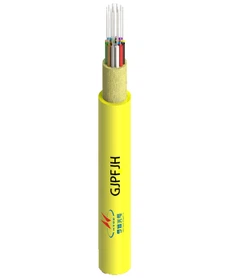
Anti rodent fiber optic cables are designed to withstand the chewing and gnawing of rodents, which can cause significant damage to traditional fiber optic cables. These cables typically feature robust protective layers that act as a deterrent to rodents. For instance, some anti rodent cables are armored with materials like stainless - steel tape or have a special polymer jacket that is unappetizing or difficult for rodents to penetrate.
There are different types of anti rodent fiber optic cables available in the market. The Rodent Resistant Fiber Optic Cable is an example of a well - engineered cable with double - armored construction, providing enhanced protection against rodent attacks. Another option is the Anti - rodent Fiber Optic Cable, which uses steel tape armoring in a multi - tube design, ensuring reliable performance in rodent - prone areas. The Anti Rodent Single Jacket Stainless Steel Tape Armored Cable offers a single - jacket solution with stainless - steel tape for protection.
The Role of Connectors in Fiber Optic Systems
Connectors play a crucial role in fiber optic systems. Their primary function is to join two fiber optic cables together or connect a fiber optic cable to an optical device, such as a transceiver or a patch panel. A good connector should provide low - loss optical coupling, maintain mechanical stability, and be resistant to environmental factors like dust, moisture, and temperature changes.
There are several types of fiber optic connectors, including SC (Subscriber Connector), LC (Lucent Connector), ST (Straight - Tip), and MPO (Multi - Fiber Push - On). Each type has its own characteristics in terms of size, performance, and application scenarios. For example, SC connectors are widely used in data centers due to their push - pull design, which allows for easy installation and removal. LC connectors, on the other hand, are smaller in size and are often used in high - density applications.
Do Anti Rodent Fiber Optic Cables Require Special Connectors?
In most cases, anti rodent fiber optic cables do not require special connectors. The fundamental function of the connector is to establish an optical connection between the fibers, and this function remains the same regardless of whether the cable is anti rodent or not. The optical performance of the connector, such as insertion loss and return loss, is mainly determined by the quality of the connector's internal components, such as the ferrule and the polishing process, rather than the type of cable it is connected to.
However, there are some considerations when connecting anti rodent fiber optic cables. The outer protective layers of anti rodent cables can be thicker and more rigid than those of standard cables. This may require some adjustments during the connectorization process. For example, when stripping the cable to expose the fiber for connector installation, more care needs to be taken to ensure that the inner fiber is not damaged. Special tools may be needed to cut through the tough outer layers of the anti rodent cable.
Another aspect to consider is the environmental protection of the connection. Since anti rodent cables are often used in harsh outdoor or underground environments, the connectors should also be able to withstand these conditions. In such cases, it is advisable to use connectors with appropriate environmental ratings, such as IP (Ingress Protection) ratings. IP - rated connectors are designed to prevent the ingress of dust and water, which is essential for maintaining the long - term performance of the fiber optic connection.
Installation Considerations
When installing connectors on anti rodent fiber optic cables, it is important to follow the manufacturer's guidelines. The installation process typically involves several steps, including cable stripping, fiber cleaving, and connector assembly.
During cable stripping, as mentioned earlier, the thick outer layers of anti rodent cables can pose a challenge. It is recommended to use sharp and appropriate stripping tools to remove the outer jacket without damaging the inner fiber. After stripping, the fiber needs to be cleaved to create a smooth and perpendicular end face. A high - quality fiber cleaver is essential for achieving a good cleave, which is crucial for low - loss optical coupling.
Once the fiber is cleaved, the connector can be assembled. This usually involves inserting the cleaved fiber into the connector ferrule and securing it with epoxy or other bonding agents. After assembly, the connector needs to be polished to ensure a good optical connection.


Testing and Quality Assurance
After connector installation, it is necessary to test the optical performance of the connection. This can be done using an optical time - domain reflectometer (OTDR) or a light source and power meter. The OTDR can measure the length of the cable, detect any breaks or splices, and evaluate the overall optical loss of the connection. A light source and power meter can directly measure the insertion loss and return loss of the connector.
Quality assurance is also an important part of the process. The connectors should be inspected for any visible defects, such as scratches on the ferrule or improper alignment of the fiber. Only connectors that meet the required performance standards should be used in the fiber optic system.
Conclusion
In conclusion, while anti rodent fiber optic cables do not generally require special connectors, there are some factors to consider during the connectorization process. The thick outer layers of anti rodent cables may require special handling and tools, and the connectors should have appropriate environmental ratings for the harsh conditions where these cables are often used.
If you are in the market for anti rodent fiber optic cables and need guidance on connector selection and installation, we are here to help. Our team of experts has extensive experience in the field of fiber optics and can provide you with the best solutions for your specific needs. Whether you are building a new network or upgrading an existing one, we can offer high - quality anti rodent fiber optic cables and professional advice on connectorization. Contact us to start a discussion about your procurement requirements and let's work together to build a reliable and robust fiber optic network.
References
- Fiber Optic Association (FOA). Fiber Optic Reference Guide.
- ITU - T Recommendations on Fiber Optic Cables and Connectors.
- Manufacturer's Technical Documentation for Anti Rodent Fiber Optic Cables and Connectors.