

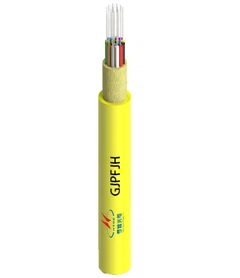


As a supplier of multimode fiber, I've been deeply involved in the field of optical communication for years. One of the most frequently asked questions from our customers is about the radiation resistance of multimode fiber. In this blog, I'll delve into what radiation resistance means in the context of multimode fiber, its importance, and how it impacts different applications.
Understanding Radiation Resistance in Multimode Fiber
Before we discuss radiation resistance, let's briefly understand what multimode fiber is. Multimode fiber is a type of optical fiber that allows multiple light rays (modes) to propagate through it simultaneously. It is commonly used in local area networks (LANs), data centers, and short - distance communication systems due to its relatively large core diameter, which makes it easier to couple light into the fiber.
Radiation resistance in multimode fiber refers to the fiber's ability to maintain its optical performance in the presence of radiation. Radiation can come from various sources, such as nuclear power plants, space environments, and medical imaging equipment. When multimode fiber is exposed to radiation, it can cause several detrimental effects on its optical properties.
One of the primary effects of radiation on multimode fiber is the creation of color centers within the fiber's glass structure. These color centers absorb light at specific wavelengths, leading to an increase in optical attenuation. In other words, the light signal traveling through the fiber becomes weaker as it passes through the radiation - exposed section of the fiber. This increase in attenuation can severely limit the transmission distance and the overall performance of the communication system.
Importance of Radiation Resistance
The importance of radiation resistance in multimode fiber cannot be overstated, especially in applications where the fiber is likely to be exposed to radiation. For example, in nuclear power plants, optical fibers are used for monitoring and control systems. These systems need to operate reliably in a high - radiation environment. If the multimode fiber used in these systems has poor radiation resistance, the optical signals may degrade over time, leading to inaccurate data transmission and potential safety risks.
In space applications, satellites and space probes rely on optical communication systems for data transfer. The space environment is filled with various forms of radiation, including cosmic rays and solar flares. Multimode fiber with high radiation resistance is essential to ensure the long - term reliability of these communication systems.
Factors Affecting Radiation Resistance
Several factors influence the radiation resistance of multimode fiber. One of the most significant factors is the fiber's composition. Different types of glass compositions have different sensitivities to radiation. For example, fibers made from pure silica glass generally have better radiation resistance compared to fibers with dopants. Dopants are substances added to the glass to modify its optical properties, but they can also increase the fiber's susceptibility to radiation damage.
The manufacturing process also plays a crucial role in determining the radiation resistance of multimode fiber. Fibers that are manufactured under strict quality control measures and with advanced purification techniques tend to have better radiation resistance. These processes help to reduce the presence of impurities in the glass, which can act as sites for color - center formation when exposed to radiation.
Different Grades of Multimode Fiber and Their Radiation Resistance
There are several grades of multimode fiber available in the market, each with different characteristics and levels of radiation resistance. Let's take a look at some of the commonly used grades:
-
OM2: OM2 multimode fiber is an older standard that has a core diameter of 50 microns. While it has been widely used in many LAN applications, its radiation resistance is relatively limited compared to newer standards. OM2 fibers are not typically recommended for high - radiation environments.
-
OM3 - 150: OM3 - 150 multimode fiber is designed to support higher data rates over longer distances compared to OM2. It has a core diameter of 50 microns and is optimized for 850 nm wavelength operation. In terms of radiation resistance, OM3 - 150 fibers are an improvement over OM2, but they still may not be sufficient for extremely high - radiation applications. OM3 - 150


-
OM4: OM4 multimode fiber is the latest and most advanced standard in multimode fiber technology. It offers even higher bandwidth and better performance compared to OM3 - 150. OM4 fibers also have improved radiation resistance due to their optimized glass composition and manufacturing processes. OM4 is a good choice for applications where some level of radiation exposure is expected.
Measuring Radiation Resistance
To accurately assess the radiation resistance of multimode fiber, several measurement techniques are used. One of the most common methods is to measure the optical attenuation of the fiber before and after radiation exposure. The difference in attenuation, known as the radiation - induced attenuation (RIA), is a key indicator of the fiber's radiation resistance.
Another technique is to use spectroscopy to analyze the formation of color centers within the fiber. By measuring the absorption spectra of the fiber, researchers can identify the specific wavelengths at which the color centers absorb light and quantify their concentration.
Applications and Considerations
When choosing multimode fiber for a particular application, it's essential to consider the level of radiation exposure. For low - radiation environments, such as typical office LANs, OM2 or OM3 - 150 fibers may be sufficient. However, for high - radiation environments like nuclear power plants or space applications, OM4 or specialized radiation - hardened multimode fibers should be considered.
It's also important to note that the radiation resistance of multimode fiber can degrade over time with repeated exposure to radiation. Therefore, regular monitoring of the fiber's optical performance is necessary to ensure the long - term reliability of the communication system.
Conclusion
In conclusion, the radiation resistance of multimode fiber is a critical factor in many applications, especially those where the fiber is exposed to radiation. Understanding the factors that affect radiation resistance, the different grades of multimode fiber available, and the measurement techniques can help in making informed decisions when selecting the right fiber for a particular application.
As a multimode fiber supplier, we are committed to providing high - quality fibers with excellent radiation resistance. If you are in the process of choosing multimode fiber for your project or have any questions about radiation resistance, we encourage you to contact us for a detailed discussion. Our team of experts can help you select the most suitable fiber based on your specific requirements.
References
- "Optical Fiber Communication Technology" by Gerd Keiser.
- "Handbook of Fiber Optics" edited by Andrew D. Kersey.
- Industry whitepapers on multimode fiber technology and radiation resistance.