

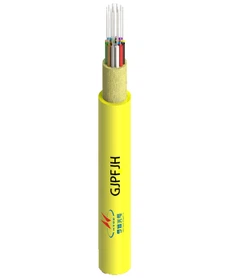


Yo, what's up! I'm an aerial fibre optic cable supplier, and today I wanna talk about something super important: the impact of humidity on aerial fibre optic cables. It's a topic that doesn't get enough attention, but trust me, it can make or break the performance of these cables.
Let's start with the basics. Aerial fibre optic cables are used to transmit data through thin strands of glass or plastic fibres. They're strung up in the air, usually on poles, and are exposed to all kinds of weather conditions. Humidity is one of those conditions that can have a big impact on how well these cables work.
How Humidity Affects Aerial Fibre Optic Cables
1. Water Absorption
Humidity means there's moisture in the air, and that moisture can be absorbed by the cable's jacket and other components. Most aerial fibre optic cables have a protective outer jacket, but over time, water can seep through it. Once water gets inside the cable, it can cause a whole bunch of problems.
For example, water can react with the metal components in the cable, like the strength members or the armour. This can lead to corrosion, which weakens the cable's structure. A corroded cable is more likely to break or malfunction, and that's a major headache for anyone relying on it for data transmission.
2. Microbending
Another issue caused by humidity is microbending. When water is absorbed by the cable, it can cause the fibres inside to swell or contract unevenly. This creates tiny bends in the fibres, called microbends. These microbends might seem insignificant, but they can actually have a huge impact on the cable's performance.
Microbends can cause light to leak out of the fibres, which reduces the signal strength. When the signal strength drops, the quality of the data transmission suffers. You might experience slower internet speeds, dropped calls, or interrupted video streams. It's like trying to drink a milkshake through a straw with a kink in it - the flow just isn't right.
3. Electrical Conductivity
In some cases, humidity can also increase the electrical conductivity of the cable. This is especially true if there are any conductive materials in the cable's construction. When the electrical conductivity changes, it can interfere with the cable's ability to transmit signals accurately.
For example, if there's a change in the electrical properties of the cable, it can cause signal distortion. The data being transmitted might get scrambled, and that can lead to errors and data loss. It's like trying to listen to a song on a radio with a lot of static - you can't make out the words clearly.
Types of Aerial Fibre Optic Cables and Humidity Resistance
Now, let's talk about different types of aerial fibre optic cables and how they deal with humidity.
Multi Tube Single Jacket ADSS Cable
The Multi Tube Single Jacket ADSS Cable is designed to be lightweight and self - supporting. It's often used in areas where there are high electrical fields, like near power lines. This type of cable usually has a special jacket that provides some level of protection against moisture.
The jacket is made of materials that are resistant to water absorption, which helps to keep the water out. However, it's still important to install and maintain these cables properly. If the jacket gets damaged, water can still find its way in, so regular inspections are a must.
Figure 8 fiber cable
The Figure 8 fiber cable gets its name from its unique shape. It has a figure - 8 cross - section, which makes it easy to install and support. This cable is often used in rural areas or for short - distance aerial installations.
Some Figure 8 fiber cables are designed with non - metallic strength members, which are less prone to corrosion caused by humidity. They also usually have a moisture - resistant outer layer. But again, just like with any other cable, humidity can still pose a threat if the cable isn't protected properly.
Figure 8 Aerial Cable
The Figure 8 Aerial Cable is similar to the Figure 8 fiber cable but might have some different features. It's also designed for aerial installation and is often used in a variety of applications.
This cable is built to withstand different environmental conditions, including humidity. It has a robust outer jacket and internal structures that help to prevent water from getting inside. However, as with all cables, long - term exposure to high humidity can still cause problems over time.


Preventing Humidity - Related Issues
So, what can we do to prevent these humidity - related issues?
1. Proper Installation
The first step is to make sure the cables are installed correctly. This means using the right techniques and materials. For example, when installing aerial cables, it's important to use proper cable supports and tensioning methods. This helps to prevent the cable from sagging or being damaged during installation, which can make it more vulnerable to humidity.
Also, make sure the cable ends are properly sealed. When a cable is cut or terminated, the ends need to be sealed to prevent water from entering. There are special sealing materials available that can do a great job of keeping the water out.
2. Regular Inspections
Regular inspections are crucial. You should check the cables for any signs of damage, such as cracks in the jacket or corrosion of the strength members. If you notice any problems, it's important to address them right away.
During inspections, you can also look for signs of water ingress. For example, if you see any moisture inside the cable or if the cable's performance has started to degrade, it could be a sign that humidity is causing problems.
3. Protective Coatings
Applying protective coatings to the cables can also help. There are coatings available that can make the cable more resistant to water absorption. These coatings can be applied during the manufacturing process or as a retrofit after the cable has been installed.
Conclusion
In conclusion, humidity can have a significant impact on aerial fibre optic cables. It can cause water absorption, microbending, and changes in electrical conductivity, all of which can lead to reduced performance and potential cable failure.
But don't worry! As an aerial fibre optic cable supplier, I've got the solutions. We offer high - quality cables like the Multi Tube Single Jacket ADSS Cable, Figure 8 fiber cable, and Figure 8 Aerial Cable that are designed to withstand humidity and other environmental conditions.
If you're in the market for aerial fibre optic cables or need advice on preventing humidity - related issues, don't hesitate to reach out. Let's work together to ensure your data transmission is reliable and efficient.
References
- "Fiber Optic Communication Systems" by Govind P. Agrawal
- "Handbook of Fiber Optics: Second Edition" by Richard A. Myers