



Hey there! As a supplier of single mode fiber, I've been getting a lot of questions lately about how cost - effective single mode fiber is compared to other transmission media. So, I thought I'd sit down and write this blog to share my insights.
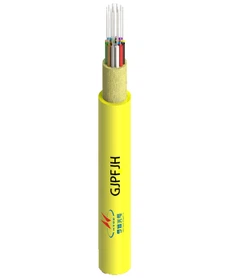
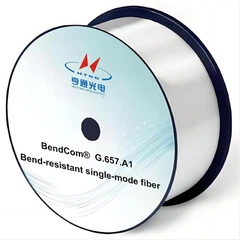
Let's start by briefly introducing single mode fiber. Single mode fiber is a type of optical fiber that allows only one mode of light to propagate through it. This characteristic gives it some pretty awesome advantages when it comes to long - distance and high - speed data transmission. There are different types of single mode fibers, like G.652.D, G.657.A2, and G.655, each with its own unique features and applications.
Now, let's talk about the cost - effectiveness. When you're looking at transmission media, you've got to consider both the upfront costs and the long - term expenses. Upfront costs usually include the price of the cable itself, installation costs, and the cost of the associated equipment.
Upfront Costs
Single Mode Fiber
The price of single mode fiber cables can vary depending on the type and quality. Generally, single mode fiber cables are a bit more expensive than some other transmission media, like copper cables. But here's the thing, the installation of single mode fiber requires specialized skills and tools. You need trained technicians to handle the delicate fiber, and you've got to use special splicing and termination equipment. This can add to the upfront installation costs.
However, the associated equipment for single mode fiber, such as optical transceivers, has become more affordable over the years. With the advancement of technology, the prices of these devices have dropped significantly, making the overall upfront cost of a single mode fiber network more reasonable.
Other Transmission Media
Copper cables, for example, are much cheaper in terms of the cable itself. They're also easier to install, which means lower installation costs. You don't need highly specialized skills to terminate copper cables. But copper cables have their limitations. They're not suitable for long - distance transmission, and they can't handle high - speed data as well as single mode fiber.
Another common transmission medium is wireless. Wireless networks have relatively low upfront costs in terms of cable installation because there's no cable at all. But you need to invest in high - quality access points and other wireless equipment, which can be quite pricey, especially if you want to cover a large area with a high - speed network.
Long - Term Expenses
Single Mode Fiber
One of the biggest advantages of single mode fiber in the long run is its low attenuation. Attenuation is the loss of signal strength as it travels through the cable. Single mode fiber has very low attenuation, which means you can transmit data over long distances without significant signal loss. This reduces the need for signal boosters or repeaters, which can save you a lot of money in the long term.
Single mode fiber is also very reliable. It's not affected by electromagnetic interference (EMI), which is a common problem with copper cables. This means fewer maintenance issues and less downtime. You won't have to worry about your network going down because of interference from nearby electrical equipment.
In addition, single mode fiber has a long lifespan. It can last for decades if properly installed and maintained. This means you won't have to replace the cable as often as you would with other transmission media.
Other Transmission Media
Copper cables have high attenuation, especially over long distances. This means you need to install repeaters at regular intervals to boost the signal. These repeaters add to the long - term costs, both in terms of the equipment itself and the energy required to run them.
Wireless networks are also subject to interference from other wireless devices, physical obstacles, and environmental factors. This can lead to inconsistent performance and more maintenance work. You may need to upgrade your wireless equipment more frequently to keep up with the increasing demand for high - speed data.
Bandwidth and Future - Proofing
Bandwidth is another important factor when considering cost - effectiveness. In today's digital age, the demand for high - speed data is only going to increase.


Single Mode Fiber
Single mode fiber offers extremely high bandwidth. It can support data rates of up to several terabits per second. This means it can handle the increasing data traffic for many years to come. You won't have to worry about upgrading your network infrastructure every few years to meet the growing demand. In this sense, single mode fiber is very future - proof.
Other Transmission Media
Copper cables have limited bandwidth. As the demand for high - speed data grows, you'll quickly reach the limit of what copper cables can handle. This means you'll have to replace the cables or upgrade your network, which can be costly.
Wireless networks also have bandwidth limitations. The available spectrum is limited, and as more devices connect to the wireless network, the bandwidth per device decreases. You may need to add more access points or upgrade to higher - frequency bands, which can be expensive.
Applications and Use Cases
Single Mode Fiber
Single mode fiber is ideal for long - distance applications, such as telecommunications networks, data centers, and large - scale enterprise networks. For example, in a data center, single mode fiber can connect different servers and storage devices, allowing for high - speed data transfer over long distances within the data center. It's also used in telecommunications networks to connect different cities or regions, enabling high - quality voice and data services.
Other Transmission Media
Copper cables are commonly used in small - scale networks, like home networks or small offices. They're suitable for short - distance applications where the data speed requirements are not extremely high.
Wireless is great for providing mobile connectivity. It's widely used in homes, offices, and public areas for users to connect their mobile devices to the network. But it's not as reliable as single mode fiber for critical applications that require high - speed and stable connections.
Conclusion
In conclusion, while single mode fiber may have higher upfront costs compared to some other transmission media, it offers significant long - term cost - effectiveness. Its low attenuation, high reliability, long lifespan, and high bandwidth make it a great choice for many applications, especially those that require long - distance and high - speed data transmission.
If you're in the market for a reliable and future - proof transmission medium, I highly recommend considering single mode fiber. As a single mode fiber supplier, I can offer you high - quality products at competitive prices. Whether you're building a new network or upgrading an existing one, I'd be more than happy to help you find the right single mode fiber solution for your needs. If you're interested in learning more or starting a procurement discussion, feel free to reach out. I'm here to answer all your questions and guide you through the process.
References
- Industry reports on transmission media costs and trends
- Technical specifications of single mode fiber and other transmission media