

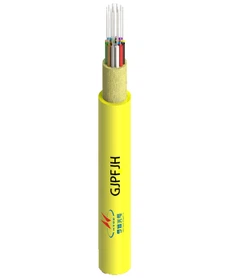


Hey there! As a supplier of FTTA cables, I often get asked about the safety standards for these cables. In this blog, I'll break down the key safety standards that you should know about when it comes to FTTA cables.
First off, let's understand what FTTA cables are. FTTA stands for Fiber to the Antenna. These cables are crucial in modern wireless communication systems as they connect the base station equipment to the antennas on the tower. They play a vital role in ensuring high - speed and reliable data transmission.
Fire Safety Standards
One of the most important safety aspects of FTTA cables is their fire performance. In many countries and regions, there are strict regulations regarding how cables should behave in case of a fire.
The National Electrical Code (NEC) in the United States has specific requirements for cables used in various environments. For FTTA cables, they often fall under the rules for plenum or riser cables. Plenum cables are used in air - handling spaces like the ceiling or floor plenums. These cables need to have low smoke and flame spread characteristics. If a fire breaks out, a plenum - rated FTTA cable should not contribute significantly to the spread of flames and should produce minimal smoke. This is crucial as excessive smoke can be a major hazard in enclosed spaces, obscuring vision and causing respiratory problems.
The riser cables, on the other hand, are used in vertical shafts such as elevator shafts or stairwells. They also need to meet certain fire - safety criteria to prevent the fire from spreading quickly from one floor to another.
In Europe, the EN 50267 and EN 50268 standards are widely used. These standards define the requirements for the emission of smoke and corrosive gases during a fire. An FTTA cable compliant with these standards will have a low level of halogen content. Halogens, when burned, can release toxic and corrosive gases. So, a low - halogen or halogen - free FTTA cable is much safer in a fire situation.


Mechanical Safety Standards
FTTA cables are often installed in outdoor and harsh environments. They need to withstand various mechanical stresses.
One of the key mechanical safety aspects is the cable's tensile strength. The cable should be able to handle the pulling forces during installation. For example, when the cable is being pulled up a tower to connect to the antenna, it should not break under the tension. A good quality FTTA cable should have a specified minimum tensile strength, which is usually tested in a laboratory environment.
Another important factor is the cable's crush resistance. In outdoor installations, the cable may be subjected to external pressure, such as being stepped on or having objects fall on it. A cable with high crush resistance will not get damaged easily, ensuring the integrity of the fiber optic transmission.
Flexibility is also a consideration. FTTA cables may need to be bent around corners or routed through tight spaces during installation. The cable should be flexible enough to be bent without causing damage to the fiber inside. However, there are limits to the bending radius. Exceeding the recommended bending radius can cause signal loss or even break the fiber.
Environmental Safety Standards
Since FTTA cables are often installed outdoors, they need to be able to withstand different environmental conditions.
UV resistance is crucial. The sun's ultraviolet rays can degrade the outer jacket of the cable over time. A UV - resistant FTTA cable will have a jacket material that can withstand long - term exposure to sunlight without cracking or losing its protective properties.
Water and moisture resistance are also important. Moisture can penetrate the cable and cause corrosion of the internal components or affect the performance of the fiber optic. A waterproof FTTA cable will have proper seals and a moisture - resistant jacket to prevent water from entering.
Temperature range is another factor. FTTA cables need to operate effectively in a wide range of temperatures. In cold climates, the cable should not become brittle and break, while in hot climates, it should not soften or deform.
Our Product Offerings
At our company, we offer a wide range of FTTA cables that meet all these safety standards. For example, our Armored Fiber Optic Cable provides excellent mechanical protection. The armor layer adds an extra level of strength, making it more resistant to tensile forces, crush, and impact. It's a great choice for outdoor installations where the cable may be exposed to rough handling.
Our Remote Radio Unit RRU Optical Fiber Cable is designed specifically for connecting remote radio units. It meets all the necessary fire, mechanical, and environmental safety standards, ensuring reliable and safe operation in wireless communication systems.
Why Choose Our FTTA Cables?
When you choose our FTTA cables, you're getting a product that has been rigorously tested to meet the highest safety standards. We use high - quality materials in the manufacturing process, and our production facilities follow strict quality control procedures.
We also offer excellent customer support. If you have any questions about the installation, maintenance, or safety of our FTTA cables, our team of experts is always ready to help.
Let's Connect
If you're in the market for FTTA cables, I encourage you to reach out to us for a quote. Whether you're working on a small - scale wireless project or a large - scale telecommunications network, we can provide the right FTTA cables for your needs. Our cables not only meet the safety standards but also offer high - performance and long - term reliability. So, don't hesitate to contact us and start the procurement process. We're looking forward to working with you!
References
- National Electrical Code (NEC)
- EN 50267 and EN 50268 standards
- Industry reports on fiber optic cable safety and performance