

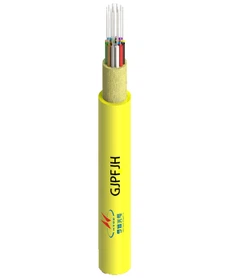


As a supplier of optical cables for vertical wiring in buildings, I've witnessed firsthand the unique challenges and requirements that come with installing these cables in buildings rich in metal structures. Metal structures can significantly impact the installation process and performance of optical cables, making it crucial to understand the specific installation requirements.
Understanding the Impact of Metal Structures
Metal structures in buildings, such as steel frames, elevator shafts, and electrical conduits, can pose several challenges to the installation of optical cables. One of the primary concerns is electromagnetic interference (EMI). Metal structures can act as conductors, picking up and transmitting electromagnetic signals that can interfere with the data transmission of optical cables. This interference can lead to signal degradation, loss, and even complete failure of the communication system.
Another challenge is physical damage. Metal structures can have sharp edges, corners, and protrusions that can cut or damage the optical cables during installation or normal use. Additionally, metal structures can expand and contract due to temperature changes, which can put stress on the cables and cause them to break or become misaligned.
Installation Requirements
Cable Selection
When installing optical cables in buildings with many metal structures, it's essential to select the right type of cable. Multi cores easily branched optical cable is a great option as it offers multiple cores that can be easily branched off at different floors or locations. This type of cable is also designed to be flexible and resistant to bending, making it easier to install around metal structures.
Easy Branches Indoor Riser Cable is another suitable choice. It is specifically designed for vertical wiring in buildings and has a rugged outer jacket that provides protection against physical damage. This cable also has excellent fire resistance properties, which is important in buildings with strict fire safety regulations.


Indoor Multi Core Tight-buffered Cable is a popular option for indoor applications. It has a tight-buffered design that provides extra protection to the optical fibers, making it more resistant to bending and crushing. This cable is also easy to terminate and splice, which can save time and labor during installation.
Cable Routing
Proper cable routing is crucial to minimize the impact of metal structures on the optical cables. When routing the cables, it's important to avoid sharp bends, kinks, and twists, as these can cause signal loss and damage to the cables. Instead, use gentle curves and angles to ensure smooth cable flow.
It's also important to keep the cables away from sources of EMI, such as electrical conduits, transformers, and motors. If possible, route the cables in separate conduits or raceways from the electrical cables to reduce the risk of interference.
In addition, make sure to secure the cables properly to prevent them from moving or vibrating. Use cable ties, clamps, or brackets to hold the cables in place and prevent them from rubbing against the metal structures.
Cable Protection
To protect the optical cables from physical damage, it's important to use appropriate cable protection measures. One option is to use cable trays or conduits. Cable trays provide a secure and organized way to route the cables, while conduits offer additional protection against physical damage and EMI.
Another option is to use cable sleeves or wraps. These can be made of materials such as PVC, nylon, or fiberglass and provide a protective layer around the cables. Cable sleeves and wraps can also help to reduce friction and prevent the cables from rubbing against the metal structures.
Grounding and Bonding
Proper grounding and bonding are essential to protect the optical cables from EMI and electrical surges. Grounding involves connecting the cables to a ground electrode, such as a grounding rod or a building's grounding system. Bonding involves connecting the cables to other metal structures in the building, such as steel frames or electrical conduits, to ensure electrical continuity.
When grounding and bonding the optical cables, it's important to follow the manufacturer's recommendations and local electrical codes. Use appropriate grounding and bonding materials, such as grounding wires, bonding jumpers, and grounding clamps, to ensure a secure and reliable connection.
Testing and Commissioning
Once the optical cables are installed, it's important to test and commission the system to ensure that it is working properly. Testing involves measuring the optical power, attenuation, and bandwidth of the cables to ensure that they meet the required specifications. Commissioning involves verifying the functionality of the communication system and ensuring that it is integrated with other building systems, such as the network infrastructure and security systems.
It's recommended to use professional testing equipment and personnel to perform the testing and commissioning. This will ensure that the system is tested accurately and that any issues are identified and resolved before the system is put into operation.
Conclusion
Installing optical cables for vertical wiring in buildings with many metal structures requires careful planning, proper cable selection, and appropriate installation techniques. By understanding the impact of metal structures on the cables and following the installation requirements outlined in this article, you can ensure a successful installation and a reliable communication system.
If you're interested in learning more about our optical cables for vertical wiring in buildings or have any questions about the installation process, please feel free to contact us. We'd be happy to assist you with your project and provide you with the best solutions for your needs.
References
- "Optical Fiber Cabling Installation Guidelines," Telecommunications Industry Association (TIA).
- "National Electrical Code (NEC)," National Fire Protection Association (NFPA).
- Manufacturer's specifications and installation manuals for optical cables.