



Hey there! As a supplier of aerial fibre optic cables, I often get asked about the fire - resistance properties of these cables. In this blog, I'll break down everything you need to know about the fire - resistance of aerial fibre optic cables.
First off, let's understand why fire - resistance is so important for aerial fibre optic cables. These cables are usually strung up in the air, often along power lines or in areas where there's a risk of fire. If a fire breaks out, having cables that can resist the flames can prevent a complete disruption of communication networks. Aerial cables are used for various purposes like broadband internet, telephony, and data transmission. A fire can damage these cables, leading to service outages, which can be a real headache for both service providers and end - users.
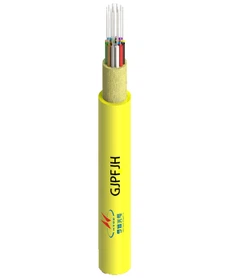
Now, let's dig into the factors that contribute to the fire - resistance of aerial fibre optic cables. One of the key components is the cable jacket. The jacket is the outermost layer of the cable, and it plays a crucial role in protecting the inner fibres from external elements, including fire.
There are different types of materials used for cable jackets, and some are more fire - resistant than others. For example, some jackets are made from materials like low - smoke zero - halogen (LSZH) compounds. LSZH materials are great because when they are exposed to fire, they produce very little smoke and no harmful halogens. Halogens can be extremely dangerous in a fire situation as they can release toxic gases.
Another factor is the cable's internal structure. Inside the cable, there are the optical fibres themselves, which are usually made of glass or plastic. These fibres are pretty good at withstanding heat, but they need to be protected from direct contact with flames. The cable's internal fillers and strength members also contribute to its overall fire - resistance. Some cables use non - combustible fillers that can act as a barrier against fire.


Let's talk about some of the specific types of aerial fibre optic cables we offer and their fire - resistance properties.
The Figure 8 Fiber Optic Cable is one of our popular products. This cable gets its name from its unique figure - 8 shape. It has a non - metallic strength member and multiple tubes that house the optical fibres. The jacket of this cable is made from a high - quality LSZH material, which gives it excellent fire - resistance. In case of a fire, the LSZH jacket will not produce large amounts of smoke or toxic gases, reducing the risk to people and the environment.
The Multi Tube Double Jacket ADSS Cable is another great option. ADSS stands for All - Dielectric Self - Supporting, which means this cable doesn't have any metallic components. This is important in fire - prone areas because metals can conduct heat and potentially spread the fire. The double - jacket design of this cable provides an extra layer of protection. The outer jacket is made from a fire - resistant material, and the inner jacket also helps to safeguard the optical fibres from heat and flames.
The Figure 8 Aerial Cable is a single - jacketed cable with a figure - 8 shape. It's designed for easy installation and has good fire - resistance properties. The jacket material is carefully selected to ensure that it can withstand high temperatures and resist the spread of fire.
To measure the fire - resistance of these cables, there are several industry standards. One of the most well - known standards is the UL 1666 standard. This standard measures the vertical flame spread of cables in a shaft. Cables that meet the UL 1666 standard are considered to have good fire - resistance and are suitable for use in buildings and other structures where fire safety is a concern.
Another important standard is the IEC 60332 series. These standards evaluate the ability of cables to withstand flames under different conditions. Cables that comply with these standards are tested for flame propagation, smoke emission, and the release of toxic gases.
When it comes to choosing the right aerial fibre optic cable for your project, it's important to consider the fire - safety requirements of the area where the cable will be installed. If the area is at a high risk of fire, like near a forest or an industrial area, you'll want to choose a cable with high - level fire - resistance properties.
We also offer customization options for our cables. If you have specific fire - safety requirements, we can work with you to develop a cable that meets your needs. Our team of experts can help you select the right materials and design the cable in a way that maximizes its fire - resistance.
In addition to the fire - resistance properties, our aerial fibre optic cables also have other great features. They have excellent mechanical strength, which means they can withstand harsh weather conditions like strong winds and heavy snow. They also have low attenuation, which ensures that the signal can travel long distances without significant loss.
If you're in the market for aerial fibre optic cables and are concerned about fire - resistance, don't hesitate to reach out to us. We can provide you with detailed information about our products and help you make the right choice for your project. Whether you're a small business looking to set up a local network or a large telecommunications company in need of high - quality cables, we've got you covered.
In conclusion, the fire - resistance of aerial fibre optic cables is a crucial factor to consider, especially in areas where fire is a potential threat. Our cables are designed with the latest technology and high - quality materials to ensure that they can resist fire and keep your communication networks up and running even in challenging situations. So, if you're interested in learning more or want to place an order, just get in touch with us. We're here to help you find the perfect aerial fibre optic cable for your needs.
References
- Industry reports on aerial fibre optic cable standards
- Technical specifications of cable materials and their fire - resistance properties