



When it comes to vertical wiring in buildings, choosing the right optical cable is crucial for ensuring efficient and reliable communication networks. Two common types of optical cables used in such applications are loose - tube and tight - buffered optical cables. As a supplier of optical cables for vertical wiring in buildings, I'd like to share some insights into the differences between these two types of cables.
Construction
The most fundamental difference between loose - tube and tight - buffered optical cables lies in their construction.
Loose - Tube Optical Cables
Loose - tube optical cables consist of one or more optical fibers placed inside a loose - fitting tube. The tube is typically made of a material like polypropylene or nylon. This tube provides a protective environment for the fibers, allowing them to move freely within it. The space between the fiber and the tube is often filled with a gel or a dry water - blocking material. This gel helps to protect the fibers from moisture, which is a major threat to optical fiber performance.
The loose - tube design also allows for easy installation of multiple fibers. In large - scale building vertical wiring projects, where a high number of fibers are required, loose - tube cables can be a practical choice. For example, in a high - rise office building with hundreds of desks and workstations, each needing network connectivity, a loose - tube cable with multiple fibers can be used to meet the demand.
Tight - Buffered Optical Cables
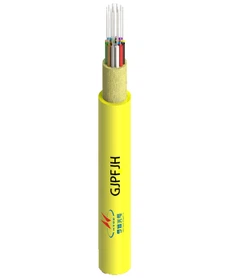
Tight - buffered optical cables, on the other hand, have a different construction. In these cables, each optical fiber is coated with a tight - fitting buffer layer, usually made of a material like polycarbonate or acrylate. This buffer layer is in direct contact with the fiber, providing mechanical protection.
The tight - buffered design makes the cable more robust and easier to terminate. When it comes to making connections at the end of the cable, tight - buffered cables are often preferred because the fibers are already protected and can be easily spliced or connected to connectors. For instance, in a building where there are frequent changes in the network layout or where quick repairs are needed, tight - buffered cables offer an advantage.
Protection
Both types of cables offer protection to the optical fibers, but in different ways.
Loose - Tube Optical Cables
As mentioned earlier, the gel or dry water - blocking material in loose - tube cables provides excellent protection against moisture. Moisture can cause attenuation in optical fibers, which means that the signal strength decreases as it travels through the fiber. By preventing moisture from reaching the fibers, loose - tube cables help to maintain the integrity of the signal over long distances.
In addition to moisture protection, the loose - tube design also provides some protection against mechanical stress. The fibers can move within the tube, which helps to absorb shock and vibration. This makes loose - tube cables suitable for outdoor and harsh - environment applications, as well as for vertical wiring in buildings where the cable may be subject to some movement or stress.
Tight - Buffered Optical Cables
Tight - buffered cables offer mechanical protection to the fibers. The tight - fitting buffer layer acts as a shield against physical damage, such as abrasion, bending, and pulling. This is particularly important in building vertical wiring, where the cables may be routed through tight spaces or around corners.
However, tight - buffered cables may not be as effective in protecting against moisture as loose - tube cables. If the cable is exposed to a wet environment for a long time, moisture can penetrate the buffer layer and damage the fiber. Therefore, in areas where moisture is a concern, additional moisture - protection measures may need to be taken when using tight - buffered cables.
Installation
The installation process for loose - tube and tight - buffered optical cables also differs.
Loose - Tube Optical Cables
Installing loose - tube cables can be more complex than installing tight - buffered cables. The gel - filled tubes need to be carefully handled to avoid getting the gel on the fibers or other components. Special tools are often required to remove the gel and prepare the fibers for termination.
In addition, the loose - tube design requires more space for installation. The cables are generally larger in diameter than tight - buffered cables, which means that they may require larger conduits or cable trays. This can be a consideration in building vertical wiring, where space may be limited.
Tight - Buffered Optical Cables
Tight - buffered cables are relatively easy to install. The tight - fitting buffer layer makes the cables more flexible and easier to handle. They can be easily routed through small spaces and around obstacles.
The termination process for tight - buffered cables is also simpler. Since the fibers are already protected by the buffer layer, they can be quickly and easily connected to connectors without the need for extensive preparation. This can save time and labor costs in building vertical wiring projects.
Cost
Cost is an important factor to consider when choosing between loose - tube and tight - buffered optical cables.
Loose - Tube Optical Cables
Loose - tube cables are generally more expensive than tight - buffered cables. The cost of the gel or dry water - blocking material, as well as the more complex manufacturing process, contribute to the higher price. However, in large - scale projects where a high number of fibers are required and long - distance transmission is needed, the cost per fiber may be more competitive.
Tight - Buffered Optical Cables
Tight - buffered cables are more cost - effective for small - to - medium - scale projects. Their simpler construction and easier installation process result in lower costs. In addition, since they are easier to terminate, the labor costs associated with installing tight - buffered cables are also lower.
Applications
The choice between loose - tube and tight - buffered optical cables also depends on the specific application.
Loose - Tube Optical Cables
Loose - tube cables are commonly used in long - distance and high - fiber - count applications. In building vertical wiring, they are often used in large - scale commercial buildings, data centers, and campus networks. For example, in a university campus with multiple buildings, a loose - tube cable can be used to connect the buildings and provide high - speed network connectivity.


If you are interested in a multi - fiber solution for your building vertical wiring project, you can check out our Multi cores easily branched optical cable.
Tight - Buffered Optical Cables
Tight - buffered cables are more suitable for short - distance and low - fiber - count applications. They are commonly used in office buildings, hospitals, and residential buildings. For instance, in a small office building with a limited number of workstations, a tight - buffered cable can be used to provide network connectivity.
Our Indoor Multi Core Tight - buffered Cable and Easy Branches Indoor Riser Cable are great options for such applications.
Conclusion
In conclusion, both loose - tube and tight - buffered optical cables have their own advantages and disadvantages. When choosing between the two for vertical wiring in buildings, factors such as construction, protection, installation, cost, and application need to be considered.
As a supplier of optical cables for vertical wiring in buildings, we can provide you with high - quality loose - tube and tight - buffered optical cables to meet your specific needs. Whether you are working on a large - scale commercial project or a small - scale residential installation, we have the right cable for you.
If you are interested in learning more about our products or would like to discuss your project requirements, please feel free to contact us. We are ready to assist you in making the best choice for your building vertical wiring needs.
References
- "Optical Fiber Cable Engineering Handbook", by Paul E. Green
- "Fiber Optics for Dummies", by John R. Mardulier