



Hey there! As a supplier of optical cables for vertical wiring in buildings, I've been getting a lot of questions about the bending radius requirements for different types of these cables. So, I thought I'd write this blog to share some insights and clear up any confusion.
First off, let's talk about why the bending radius is such a big deal. When an optical cable is bent too tightly, it can cause signal loss and even damage the cable over time. This is because the light traveling through the fiber can escape or scatter when the bend is too sharp. So, it's crucial to follow the right bending radius guidelines to ensure optimal performance and longevity of the cable.
Now, let's dive into the different types of optical cables used for vertical wiring in buildings and their bending radius requirements.


Easy Branches Indoor Riser Cable
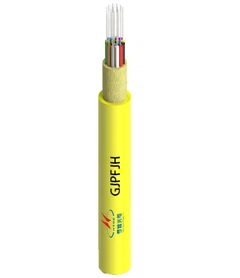
The Easy Branches Indoor Riser Cable is a popular choice for vertical wiring in buildings. It's designed to be easily branched, which makes it great for installations where you need to connect multiple devices.
For this type of cable, the minimum bending radius during installation is typically around 10 times the cable's outer diameter. Once the cable is installed, the minimum bending radius can be reduced to about 5 times the outer diameter. This is because the cable is less likely to be moved or disturbed after installation.
However, it's important to note that these are general guidelines, and the actual bending radius requirements may vary depending on the specific model and manufacturer. So, always check the product specifications before installing the cable.
Indoor Multi Core Tight - buffered Cable
The Indoor Multi Core Tight - buffered Cable is another common option for vertical wiring. It has multiple fiber cores that are tightly buffered, which provides extra protection for the fibers.
During installation, the minimum bending radius for this cable is usually around 15 times the cable's outer diameter. After installation, the minimum bending radius can be around 10 times the outer diameter. The tighter buffer around the fibers allows for a slightly smaller bending radius compared to some other cable types, but it still needs to be handled with care.
This cable is often used in areas where there may be a bit more movement or where the cable needs to be routed around corners. But again, make sure to follow the manufacturer's recommendations to avoid any signal issues.
Multi cores easily branched optical cable
The Multi cores easily branched optical cable combines the benefits of easy branching and multiple fiber cores. It's a versatile option for vertical wiring in buildings.
The minimum bending radius during installation for this cable is typically around 12 times the cable's outer diameter. After installation, it can be around 6 times the outer diameter. This cable is designed to be flexible and easy to work with, but like all optical cables, it has its limits when it comes to bending.
When installing any of these cables, there are a few things to keep in mind. First, use proper cable - pulling techniques. Avoid pulling the cable too hard or at an angle, as this can cause unnecessary stress on the cable and increase the risk of damage. Second, make sure to use cable supports and guides at regular intervals to keep the cable in place and prevent it from bending too sharply.
Also, it's a good idea to test the cable's performance after installation. You can use an optical time - domain reflectometer (OTDR) to check for any signal loss or other issues. If you notice any problems, it may be due to improper bending or other installation errors.
In addition to following the bending radius requirements, you should also consider the environmental conditions where the cable will be installed. For example, if the building has a lot of vibrations or if the cable will be exposed to high temperatures, you may need to take extra precautions to protect the cable.
If you're in the process of planning a vertical wiring project in a building, choosing the right optical cable and following the correct bending radius guidelines is essential. And that's where we come in. As a supplier of optical cables for vertical wiring in buildings, we offer a wide range of high - quality cables that meet all the necessary standards.
Our team of experts can help you select the best cable for your specific needs. Whether you need a cable with easy branching capabilities, multiple cores, or something else, we've got you covered. We also provide detailed installation instructions and support to ensure that your project goes smoothly.
If you're interested in learning more about our products or have any questions about bending radius requirements or vertical wiring in general, don't hesitate to reach out. We're here to help you make the right choices and ensure the success of your project.
In conclusion, understanding the bending radius requirements for different types of optical cables for vertical wiring in buildings is crucial for maintaining optimal performance and preventing damage. By following the guidelines and working with a reliable supplier, you can ensure that your vertical wiring project is a success.
References
- Manufacturer specifications for Easy Branches Indoor Riser Cable
- Manufacturer specifications for Indoor Multi Core Tight - buffered Cable
- Manufacturer specifications for Multi cores easily branched optical cable
- Industry standards for optical cable installation in buildings