

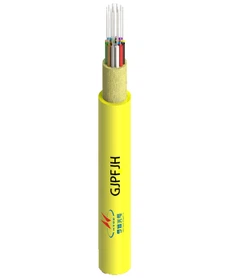


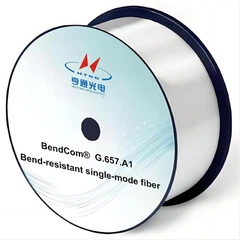
As a leading supplier of ribbon fibre optic cables, I've witnessed firsthand the critical role these cables play in modern communication networks. One of the most common challenges faced by users is signal attenuation, which can significantly degrade the performance of the network. In this blog post, I'll share some practical strategies to reduce the signal attenuation of ribbon fibre optic cables.
Understanding Signal Attenuation in Ribbon Fibre Optic Cables
Before delving into the solutions, it's essential to understand what signal attenuation is and what causes it. Signal attenuation refers to the loss of signal strength as it travels through the fibre optic cable. This loss can occur due to various factors, including absorption, scattering, bending, and connector losses.
Absorption is the process by which the fibre material absorbs some of the light energy, converting it into heat. Scattering occurs when the light is redirected in different directions due to imperfections in the fibre structure. Bending losses happen when the cable is bent beyond its minimum bend radius, causing the light to leak out of the fibre. Connector losses occur at the points where the cables are joined together, due to misalignment, dirt, or poor-quality connectors.


Choosing the Right Cable Type
The type of ribbon fibre optic cable you choose can have a significant impact on signal attenuation. Different cable designs are suitable for different applications, and selecting the right one can help minimize losses.
- Ribbon Slotted Core: This type of cable is designed for high-density applications, with multiple fibre ribbons placed in a slotted core. The slotted core provides protection for the fibres and helps reduce bending losses. Ribbon Slotted Core cables are ideal for use in data centers, where space is limited and high bandwidth is required.
- Multi Tube Double Jacket Double Armored Ribbon Cable: This cable is designed for outdoor and harsh environments. The double jacket and double armor provide excellent protection against physical damage, moisture, and rodents. Multi Tube Double Jacket Double Armored Ribbon Cable is suitable for long-haul and rural applications, where the cable may be exposed to extreme conditions.
- Uni-tube Single Jacket Ribbon Cable: This cable is a cost-effective option for indoor applications. The uni-tube design simplifies the installation process, and the single jacket provides sufficient protection for indoor use. Uni-tube Single Jacket Ribbon Cable is commonly used in buildings, campuses, and local area networks.
Proper Installation Techniques
Proper installation is crucial to minimizing signal attenuation in ribbon fibre optic cables. Here are some key installation techniques to follow:
- Avoid Sharp Bends: As mentioned earlier, bending the cable beyond its minimum bend radius can cause significant signal loss. Make sure to follow the manufacturer's guidelines for minimum bend radius during installation. Use cable trays, conduits, and other support structures to ensure the cable is properly routed and protected.
- Use High-Quality Connectors: The quality of the connectors used in the cable installation can have a significant impact on signal attenuation. Choose connectors that are compatible with the cable type and have low insertion loss and high return loss. Make sure to clean and inspect the connectors before installation to remove any dirt or debris.
- Proper Cable Termination: Proper cable termination is essential to ensure a reliable connection. Follow the manufacturer's instructions for cable termination, and use the appropriate tools and materials. Make sure the fibres are properly aligned and spliced, and that the connectors are securely attached.
- Avoid Excessive Tension: Excessive tension on the cable can cause microbends, which can lead to signal attenuation. Make sure to leave enough slack in the cable during installation to allow for movement and expansion. Use cable ties and other fastening devices to secure the cable without applying too much pressure.
Regular Maintenance and Testing
Regular maintenance and testing are essential to ensure the long-term performance of ribbon fibre optic cables. Here are some key maintenance and testing procedures to follow:
- Visual Inspection: Regularly inspect the cable for any signs of damage, such as cuts, abrasions, or kinks. Check the connectors for dirt, dust, or damage, and clean them if necessary.
- Optical Time Domain Reflectometer (OTDR) Testing: OTDR testing is a powerful tool for detecting and locating faults in fibre optic cables. Use an OTDR to measure the signal attenuation along the length of the cable and to identify any breaks or splices. Perform OTDR testing regularly to monitor the performance of the cable over time.
- Insertion Loss and Return Loss Testing: Insertion loss and return loss testing are used to measure the performance of connectors and splices. Use a light source and a power meter to measure the insertion loss and return loss of the connectors and splices. Make sure the insertion loss is within the acceptable range, and that the return loss is high.
- Environmental Monitoring: Monitor the environmental conditions around the cable, such as temperature, humidity, and vibration. Extreme environmental conditions can cause signal attenuation and damage to the cable. Make sure the cable is installed in a suitable environment, and take steps to protect it from environmental factors.
Conclusion
Reducing the signal attenuation of ribbon fibre optic cables is essential to ensuring the reliable performance of modern communication networks. By choosing the right cable type, following proper installation techniques, and performing regular maintenance and testing, you can minimize signal losses and maximize the performance of your network.
If you're interested in learning more about our ribbon fibre optic cables or have any questions about reducing signal attenuation, please don't hesitate to contact us. We'd be happy to discuss your specific needs and provide you with the best solutions for your network.
References
- ITU-T G.652: Characteristics of a single-mode optical fibre cable and cable.
- TIA/EIA-568-C: Commercial Building Telecommunications Cabling Standard.
- IEEE 802.3: Ethernet Standard.