



Hey there! I'm a supplier of FTTH drop cables, and I often get asked about the installation regulations for these cables in public areas. So, I thought I'd share some insights on this topic.
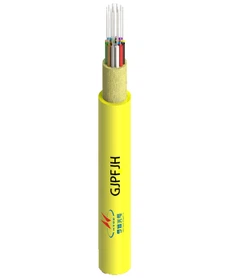
First off, let's understand what an FTTH drop cable is. It's a type of optical fiber cable used to connect the main optical network terminal (ONT) to the end - user's premises in a fiber - to - the - home (FTTH) network. There are different types of FTTH drop cables like the Duct Drop Butterfly Cable, Figure 8 Indoor Optical Cable, and Indoor Outdoor Round Drop Cable. Each type has its own features and is suitable for different installation scenarios.
Safety First
Safety is the number one priority when it comes to installing FTTH drop cables in public areas. The cables should be installed in a way that they don't pose any tripping hazards. For example, if the cable is installed on the ground, it should be either buried underground or properly secured and protected so that people don't accidentally stumble over it.
When working at heights, installers need to follow all the necessary safety protocols. They should wear proper safety gear like harnesses and helmets. The installation equipment should also be in good working condition. For instance, ladders used for reaching high places should be stable and have proper support.
Cable Routing
Proper cable routing is crucial. The cable should be routed in a way that it avoids areas with high levels of electromagnetic interference (EMI). EMI can disrupt the signal transmission in the optical fiber cable. Areas near power lines, large electrical equipment, or radio transmitters are potential sources of EMI.
The cable should also be routed away from areas where it could be damaged. This includes avoiding sharp edges, moving machinery, and areas prone to flooding. If the cable has to cross a road or a pathway, it should be protected by conduits or sleeves. Conduits provide a physical barrier that shields the cable from damage caused by vehicles, people, or environmental factors.
Installation in Ducts
If the cable is being installed in ducts, the ducts should be clean and free of any debris before the cable is pulled through. Debris in the ducts can damage the cable during installation. The diameter of the duct should be appropriate for the size of the cable. A general rule of thumb is that the duct diameter should be at least three times the outer diameter of the cable to allow for easy pulling and to prevent the cable from getting stuck.
When pulling the cable through the duct, a pulling tension limit should be followed. Excessive pulling tension can cause the optical fibers inside the cable to break or be damaged, which will affect the signal quality. The pulling tension limit is usually specified by the cable manufacturer and can vary depending on the type of cable.
Cable Support
The FTTH drop cable needs to be properly supported along its entire length. In indoor public areas, the cable can be supported by clips or brackets attached to the walls or ceilings. The spacing between the supports should be appropriate to prevent the cable from sagging. For example, for a lightweight cable, the support spacing can be around 1 - 1.5 meters.
In outdoor public areas, poles or cable trays can be used for support. The poles should be firmly installed in the ground to withstand wind and other environmental forces. Cable trays should be designed to hold the cable securely and should be corrosion - resistant if they are installed in areas with high humidity or near the sea.


Protection from the Elements
Since the cable is installed in public areas, it needs to be protected from the elements. In areas with extreme temperatures, the cable should have proper insulation to prevent damage due to thermal expansion and contraction. Some cables are designed to operate in a wide temperature range, and it's important to choose the right one for the specific installation location.
In rainy or snowy areas, the cable should be waterproof. Outdoor cables usually have a waterproof jacket that protects the optical fibers from moisture. If the cable has joints, the joints should also be properly sealed to prevent water ingress.
Marking and Identification
All the cables and their associated equipment should be clearly marked and identified. This is important for maintenance and troubleshooting purposes. Each cable should have a label indicating its destination, the type of service it provides (e.g., internet, TV), and the date of installation. Junction boxes and splice points should also be marked so that technicians can easily locate them when needed.
Complying with Local Regulations
Different regions may have their own local regulations regarding the installation of FTTH drop cables in public areas. These regulations can cover aspects such as cable installation height, the distance from other utilities, and the type of permits required. It's essential to be aware of and comply with these local regulations to avoid any legal issues.
Documentation
Proper documentation is an often - overlooked but important part of the installation process. A detailed record should be kept of the cable installation, including the routing path, the type of cable used, the location of supports and splice points, and any issues encountered during the installation. This documentation can be very useful for future maintenance and upgrades.
Quality Assurance
After the installation is completed, a quality assurance check should be done. This includes testing the signal strength and quality of the cable. Optical time - domain reflectometers (OTDRs) can be used to measure the attenuation of the optical signal along the cable length. Any issues detected during the testing should be addressed immediately to ensure that the cable is functioning properly.
Why Choose Our FTTH Drop Cables?
As a supplier, we offer high - quality FTTH drop cables that are designed to meet all the installation regulations. Our cables are made from the best materials, which ensure durability and reliable performance. We have a wide range of cable types to choose from, so you can find the perfect one for your specific installation needs.
If you're in the market for FTTH drop cables and need help with installation or have any questions about the regulations, don't hesitate to reach out. We're here to assist you every step of the way. Whether you're a small - scale installer or a large - scale telecommunications company, we can provide you with the right products and support.
Conclusion
Installing FTTH drop cables in public areas requires careful planning and adherence to various regulations. Safety, proper routing, support, protection from the elements, and compliance with local laws are all essential aspects of the installation process. By following these guidelines and using high - quality cables, you can ensure a successful and long - lasting installation.
If you're interested in purchasing our FTTH drop cables or need more information, feel free to contact us. We're always happy to have a chat about your requirements and help you make the best choice for your project.
References
- Telecommunications Industry Association (TIA) standards on optical fiber cable installation.
- Local building and telecommunications codes for public area installations.