

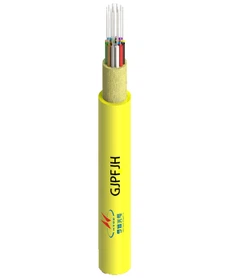


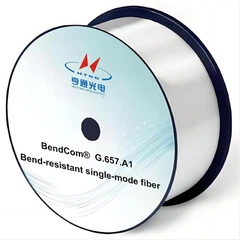
As a supplier of FTTA (Fiber to the Antenna) cables, I've witnessed firsthand the dynamic evolution of materials used in these crucial components. The choice of materials in FTTA cables is not just a matter of construction; it significantly impacts the cable's performance, reliability, and overall suitability for diverse applications. In this blog, I'll explore how new materials are reshaping the performance of FTTA cables.
Understanding FTTA Cables
Before delving into the influence of new materials, it's essential to understand the role of FTTA cables. These cables are designed to connect the base station equipment to the remote radio units (RRUs) mounted on the antenna towers. They play a vital role in the transmission of high - speed data and signals, enabling seamless communication in modern wireless networks. The performance requirements for FTTA cables are stringent, including low attenuation, high bandwidth, and resistance to environmental factors.
Traditional Materials and Their Limitations
Historically, FTTA cables have been constructed using traditional materials such as standard optical fibers and conventional polymer jackets. Standard optical fibers, while effective for basic transmission, have limitations in terms of their ability to handle high - density data traffic. They may suffer from higher attenuation over longer distances, which can lead to signal degradation and reduced performance.
Conventional polymer jackets, on the other hand, offer some level of protection but may not be sufficient in harsh environmental conditions. They can be vulnerable to UV radiation, moisture, and mechanical stress, which can compromise the integrity of the cable over time.
Impact of New Optical Fiber Materials
One of the most significant advancements in FTTA cable technology is the use of new optical fiber materials. For example, bend - insensitive fibers have revolutionized the industry. These fibers are designed to maintain low attenuation even when bent at tight radii. This is particularly important in FTTA applications, where cables often need to be routed around antenna structures and through confined spaces.
Bend - insensitive fibers allow for more flexible installation, reducing the risk of signal loss due to bending. They also enable the use of smaller cable management systems, which can save space and reduce installation costs. Additionally, some new optical fibers are engineered to have lower attenuation over longer distances, improving the overall transmission performance of the FTTA cable.
Another emerging material is the use of multi - core optical fibers. These fibers contain multiple cores within a single cladding, allowing for increased data transmission capacity. In a wireless network, where the demand for high - speed data is constantly growing, multi - core optical fibers can provide a solution to meet the increasing bandwidth requirements. They can transmit multiple signals simultaneously, effectively multiplying the data - carrying capacity of the cable without the need for additional physical cables.
New Jacket Materials for Enhanced Protection
The jacket of an FTTA cable is its first line of defense against environmental factors. New jacket materials have been developed to provide better protection and durability. For instance, some manufacturers are using UV - resistant polymers for the cable jackets. These materials can withstand prolonged exposure to sunlight without degrading, ensuring the long - term performance of the cable in outdoor applications.
Moisture - resistant materials are also becoming more common. They prevent water ingress into the cable, which can cause corrosion of the optical fibers and other internal components. By keeping the cable dry, these materials help maintain the integrity of the signal transmission and extend the lifespan of the cable.
In addition, some new jacket materials offer enhanced mechanical protection. Armored Fiber Optic Cable, which uses a layer of metal armor beneath the outer jacket, provides excellent resistance to physical damage. This type of cable is ideal for applications where the cable may be exposed to rough handling, such as during installation or in areas with high foot traffic. You can learn more about Armored Fiber Optic Cable.
Impact on Installation and Maintenance
The use of new materials in FTTA cables also has implications for installation and maintenance. As mentioned earlier, bend - insensitive fibers make installation easier and more flexible. They reduce the need for precise cable routing and minimize the risk of signal loss during installation. This can save time and labor costs, as installers can work more efficiently.
New jacket materials also contribute to easier maintenance. Cables with UV - resistant and moisture - resistant jackets require less frequent inspection and replacement. They are more reliable in the long run, reducing the overall maintenance costs for the network operator.
Compatibility with Existing Infrastructure
When introducing new materials into FTTA cables, compatibility with existing infrastructure is a crucial consideration. Most new materials are designed to be backward - compatible with the existing network components. For example, new optical fibers can be easily connected to existing optical transceivers and connectors, ensuring a smooth transition to the new technology.
However, in some cases, minor adjustments may be required. Network operators need to ensure that their equipment can support the increased bandwidth and performance capabilities of the new cables. This may involve upgrading some of the network devices, such as the base station equipment or the RRUs.
Cost - Benefit Analysis
While new materials offer many advantages in terms of performance and reliability, they also come with a cost. The development and production of new optical fibers and jacket materials often involve advanced manufacturing processes, which can increase the cost of the cable.


However, it's important to consider the long - term cost - benefit analysis. The improved performance and durability of the cables can lead to lower maintenance costs, reduced downtime, and increased network efficiency. In the long run, the investment in new materials can pay off, especially for large - scale wireless networks where the reliability and performance of the FTTA cables are critical.
The Future of FTTA Cable Materials
Looking ahead, we can expect to see continued innovation in FTTA cable materials. Research is ongoing to develop even more advanced optical fibers with higher data - carrying capacity and lower attenuation. Nanotechnology may also play a role in the future, enabling the development of ultra - thin and high - performance optical fibers.
In terms of jacket materials, we may see the emergence of self - healing materials that can repair minor damage on their own, further enhancing the durability of the cables. Additionally, more environmentally friendly materials may be developed to meet the growing demand for sustainable solutions in the telecommunications industry.
Conclusion
As a supplier of FTTA cables, I'm excited about the impact of new materials on the performance of our products. The use of new optical fibers and jacket materials has significantly improved the performance, reliability, and flexibility of FTTA cables. They have enabled us to meet the increasing demands of modern wireless networks, providing high - speed data transmission and seamless communication.
If you're in the market for high - quality FTTA cables, I encourage you to explore our range of products. We are committed to using the latest materials and technologies to provide the best solutions for your network needs. Whether you need Remote Radio Unit RRU Optical Fiber Cable or other types of FTTA cables, we can offer you products that meet the highest standards of performance and reliability. Contact us to start a procurement discussion and find the right cable solution for your project.
References
- "Fiber Optic Communication Systems" by Govind P. Agrawal
- Industry reports on fiber optic cable technology and market trends.