

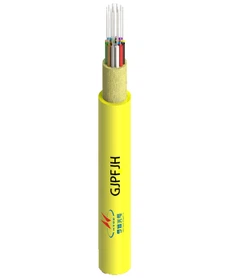


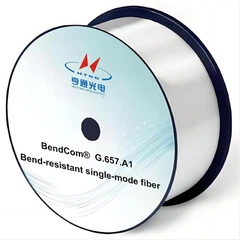
Hey there! I'm an air-blown micro cable supplier, and today I wanna talk about a hot topic: how to deal with air-blown micro cable waste. It's a problem that's been bugging the industry for a while, and I think it's high time we found some solutions.


First off, let's understand what air-blown micro cables are. These cables are super cool. They're small in diameter and can be installed using compressed air, which makes the installation process a lot quicker and less hassle compared to traditional cables. We've got different types, like the Center Tube Micro Air Blown Cable, Enhanced Performance Fibre Units, and Stranded Loose Tube Micro Air Blown Cable. They're widely used in telecommunications, data centers, and other places where high - speed data transmission is needed.
But here's the deal. As technology advances and networks get upgraded, we end up with a fair amount of air - blown micro cable waste. So, what can we do about it?
Recycling
Recycling is a no - brainer. It's the most eco - friendly way to deal with cable waste. When air - blown micro cables reach the end of their life cycle, they can be recycled to extract valuable materials. The optical fibers in these cables are made of glass, which can be melted down and reused. The outer sheaths are usually made of plastic, and with the right recycling processes, they can also be turned into new plastic products.
There are specialized recycling facilities that are equipped to handle cable waste. These facilities use advanced techniques to separate different components of the cables. For example, they can use mechanical processes to break down the cables and then use chemical methods to purify the extracted materials. By recycling, we not only reduce the amount of waste going to landfills but also conserve natural resources.
However, there are some challenges with recycling air - blown micro cables. The recycling process can be quite complex and expensive. The small size of these cables makes them a bit tricky to handle, and the different materials in them need to be separated carefully. Also, there's a lack of awareness among some users about the importance of recycling cable waste. We need to do a better job of educating people about the benefits of recycling and making it more accessible.
Reusing
Another option is reusing the cables. In some cases, air - blown micro cables that are removed during network upgrades may still be in good working condition. These cables can be reused in less demanding applications. For example, they can be used in local area networks within a small office or a residential building.
Reusing cables has several advantages. It saves money because you don't have to buy new cables. It also reduces waste. But there are limitations. We need to make sure that the reused cables meet the necessary performance standards. A proper inspection and testing process should be in place before reusing the cables. Also, not all cables can be reused. Some may be damaged during the removal process or may have reached the end of their useful life due to factors like environmental exposure.
Proper Disposal
If recycling or reusing isn't an option, then proper disposal is crucial. When disposing of air - blown micro cable waste, we need to follow local environmental regulations. Dumping cable waste in landfills without proper treatment can have a negative impact on the environment. The plastic sheaths may release harmful chemicals over time, and the glass fibers can pose a physical hazard.
We should work with waste management companies that are experienced in handling cable waste. These companies know how to dispose of the waste in an environmentally friendly way. They may use methods like incineration in a controlled environment, where the energy generated from burning the cables can be harnessed.
Collaboration with Stakeholders
To effectively deal with air - blown micro cable waste, collaboration is key. As a supplier, I believe we should work closely with our customers, waste management companies, and recycling facilities.
We can provide our customers with information about proper cable disposal and recycling options. We can also offer take - back programs, where we collect the used cables from our customers and ensure they are recycled or disposed of properly. This not only helps the environment but also builds trust with our customers.
Waste management companies and recycling facilities can share their expertise with us. They can help us understand the best practices for handling cable waste and suggest ways to improve the recycling and disposal processes. By working together, we can create a more sustainable supply chain for air - blown micro cables.
Future Outlook
Looking ahead, I think we'll see more innovative solutions for dealing with air - blown micro cable waste. Technology will play a big role. For example, new recycling technologies may be developed that are more efficient and cost - effective. There may also be new materials used in cable manufacturing that are easier to recycle or reuse.
We also need to keep pushing for more sustainable practices in the industry. This includes designing cables with recycling and reuse in mind. Manufacturers should consider using materials that are more environmentally friendly and easier to separate during the recycling process.
In conclusion, dealing with air - blown micro cable waste is a challenge, but it's also an opportunity. By recycling, reusing, and disposing of the waste properly, and by collaborating with stakeholders, we can make the industry more sustainable.
If you're interested in learning more about our air - blown micro cables or have any questions about cable waste management, feel free to reach out. We're always happy to talk about how we can work together to build a more sustainable future.
References
- Industry reports on cable waste management
- Studies on recycling technologies for optical cables
- Environmental regulations related to cable waste disposal