

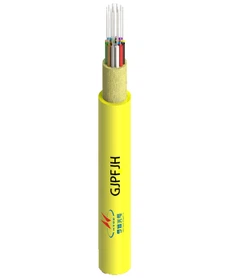


Hey there! I'm an FTTA cable supplier, and today I wanna chat about a topic that's been on my mind a lot lately: Will the storage time affect the performance of FTTA cable?
First off, let's quickly go over what FTTA cable is. FTTA stands for Fiber to the Antenna. It's a crucial part of modern wireless communication systems, connecting the base station to the antenna. These cables are designed to carry high - speed data and signals, making them super important for smooth network operations.
So, back to the main question: Does storage time have an impact on the performance of FTTA cable? Well, it's a bit of a mixed bag.
Impact on Mechanical Properties
One of the first things to consider is the mechanical properties of the cable. Over time, the materials in the cable can start to degrade. For example, the outer jacket of the cable, which is usually made of plastic or rubber - like materials, can become brittle. This is especially true if the cable is stored in an environment with high temperatures or high humidity.


When the outer jacket becomes brittle, it's more likely to crack or break. This can expose the inner fiber optic strands to dust, moisture, and other contaminants. Once the fiber optic strands are compromised, the signal transmission quality can drop significantly. You might start to see issues like signal loss, interference, or even complete signal failure.
Let's say you've got an Armored Fiber Optic Cable sitting in storage for a long time. The armor is there to protect the inner fibers, but if the outer jacket around the armor degrades, the armor itself can start to rust or corrode, further weakening the cable's overall structure.
Impact on Optical Properties
The optical properties of the fiber optic strands inside the FTTA cable are also at risk during long - term storage. Over time, the glass or plastic fibers can develop micro - cracks or bends. These microscopic defects can cause light signals traveling through the fibers to scatter or absorb, leading to signal attenuation.
Even a small amount of signal attenuation can be a big problem in a high - speed communication network. For example, in a Remote Radio Unit RRU Optical Fiber Cable, where precise signal transmission is crucial, any loss of signal strength can result in poor call quality, slow data transfer rates, or dropped connections.
Temperature and humidity fluctuations during storage can also play a role in affecting the optical properties. High humidity can cause moisture to seep into the fiber optic strands, which can change the refractive index of the fiber material. This change in refractive index can disrupt the way light travels through the fiber, leading to signal distortion.
Environmental Factors and Storage Conditions
The storage environment has a huge influence on how storage time affects the cable performance. If you store the cables in a cool, dry place, the degradation process will be much slower compared to storing them in a hot, humid warehouse.
Exposure to sunlight can also be a problem. Ultraviolet (UV) rays can break down the polymers in the cable's outer jacket, causing it to become brittle and lose its protective properties.
Another environmental factor to consider is the presence of chemicals or pollutants in the storage area. For example, if the storage facility is near a chemical plant or a factory, the cables could be exposed to corrosive gases or fumes. These chemicals can react with the materials in the cable, accelerating the degradation process.
How to Minimize the Impact of Storage Time
As an FTTA cable supplier, I know how important it is to keep our products in top - notch condition. Here are some tips on how to minimize the impact of storage time on cable performance:
- Proper Storage Conditions: Store the cables in a climate - controlled environment. Keep the temperature between 10°C and 30°C and the relative humidity below 60%. This will help prevent the materials in the cable from degrading too quickly.
- Regular Inspections: Periodically check the cables for any signs of damage or degradation. Look for cracks in the outer jacket, signs of rust on the armor, or any other visible defects.
- Correct Packaging: Make sure the cables are properly packaged before storage. Use protective wrappers or containers to shield them from dust, moisture, and physical damage.
Conclusion
In conclusion, yes, storage time can definitely affect the performance of FTTA cable. The mechanical and optical properties of the cable can degrade over time, especially if the storage conditions are not ideal. But with proper storage and regular inspections, you can minimize these risks and ensure that your cables are in good working condition when you need them.
If you're in the market for high - quality FTTA cables, whether it's an Armored Fiber Optic Cable or a Remote Radio Unit RRU Optical Fiber Cable, I'd love to have a chat with you. We've got a wide range of products that are designed to meet your specific needs. Just reach out to us, and we can start discussing your requirements and how we can help you get the best cables for your network.
References
- "Fiber Optic Cabling Installation and Troubleshooting" by Jeff Janson
- "Handbook of Fiber Optic Data Communication" by Kumar B. Misra