

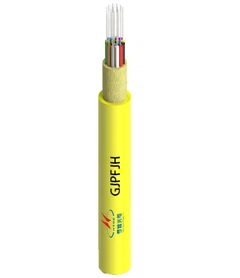


As a supplier of fiber optic cable assemblies, I often encounter inquiries regarding the power consumption of these crucial components in modern communication networks. In this blog post, I will delve into the factors influencing the power consumption of fiber optic cable assemblies, explore the power requirements of different types of assemblies, and discuss the importance of energy - efficient solutions in the industry.
Understanding the Basics of Fiber Optic Cable Assemblies
Fiber optic cable assemblies are essential for transmitting data at high speeds over long distances. They consist of optical fibers, connectors, and sometimes additional components such as splices and adapters. Unlike traditional copper cables, fiber optic cables use light signals to carry information, which offers numerous advantages including higher bandwidth, lower signal loss, and immunity to electromagnetic interference.
Factors Affecting Power Consumption
The power consumption of fiber optic cable assemblies is primarily influenced by the following factors:
1. Transmission Equipment
The transceivers and optical network units (ONUs) connected to the fiber optic cable assemblies consume power. These devices are responsible for converting electrical signals to optical signals and vice versa. High - speed transceivers, such as those used in data centers for 100Gbps or 400Gbps connections, typically require more power than lower - speed ones. For example, a 100Gbps QSFP28 transceiver may consume around 3 - 6 watts, while a 1Gbps SFP transceiver may consume less than 1 watt.


2. Signal Amplification
In long - distance fiber optic networks, signal amplification is often necessary to compensate for signal loss. Optical amplifiers, such as erbium - doped fiber amplifiers (EDFAs), are used to boost the optical signals. These amplifiers consume power, and the amount of power depends on the gain required and the operating conditions. An EDFA may consume anywhere from a few watts to tens of watts, depending on its design and performance specifications.
3. Connector Loss
Connector loss can also indirectly affect power consumption. When there is a high loss at the connectors of a fiber optic cable assembly, the transmission equipment may need to increase the signal power to maintain a reliable connection. This results in higher power consumption by the transceivers. High - quality connectors with low insertion loss, such as those in our [Pre - Connectorized Drop Cable](/fiber - optic - patch - cord/fiber - optic - cable - assemblies/pre - connectorized - drop - cable.html), can help reduce this additional power requirement.
Power Consumption of Different Types of Fiber Optic Cable Assemblies
1. Pre - Connectorized Drop Cable
Pre - connectorized drop cables are commonly used in fiber - to - the - home (FTTH) networks. These cables are pre - terminated with connectors at the factory, which simplifies the installation process. The power consumption associated with pre - connectorized drop cables is mainly related to the ONU at the customer's premises. The ONU typically consumes a relatively low amount of power, usually in the range of 2 - 5 watts, depending on its functionality and features. Our [Pre - Connectorized Drop Cable](/fiber - optic - patch - cord/fiber - optic - cable - assemblies/pre - connectorized - drop - cable.html) is designed to minimize signal loss, which helps keep the power consumption of the ONU in check.
2. LC To LC Duplex Cable Assembly
LC to LC duplex cable assemblies are widely used in data centers and local area networks (LANs). These assemblies are used to connect network devices such as switches, routers, and servers. The power consumption is mainly determined by the transceivers connected to the cable assembly. For example, if you are using 10Gbps LC transceivers, each transceiver may consume around 1 - 2 watts. Our [LC To LC Duplex Cable Assembly](/fiber - optic - patch - cord/fiber - optic - cable - assemblies/lc - to - lc - duplex - cable - assembly.html) is engineered to provide low - loss connections, which can help optimize the power consumption of the overall network.
3. SC to SC Duplex Fiber Optic Jumper Cable
SC to SC duplex fiber optic jumper cables are also popular in network applications. They are often used in telecommunications central offices and enterprise networks. Similar to LC to LC assemblies, the power consumption is mainly related to the connected transceivers. Our [SC to SC Duplex Fiber Optic Jumper Cable](/fiber - optic - patch - cord/fiber - optic - cable - assemblies/sc - to - sc - duplex - cable - assembly.html) is designed with high - quality materials and precision manufacturing techniques to ensure low insertion loss and reliable performance, thereby reducing the power requirements of the associated transmission equipment.
The Importance of Energy - Efficient Fiber Optic Cable Assemblies
In today's world, energy efficiency is a critical consideration for businesses and organizations. As the demand for high - speed data transmission continues to grow, the power consumption of network infrastructure is also increasing. Energy - efficient fiber optic cable assemblies can help reduce the overall energy consumption of a network, which has several benefits:
1. Cost Savings
Lower power consumption means lower electricity bills. By using energy - efficient fiber optic cable assemblies, businesses can significantly reduce their operational costs over time.
2. Environmental Impact
Reducing energy consumption also has a positive environmental impact. It helps to lower carbon emissions and conserve natural resources, contributing to a more sustainable future.
3. Network Reliability
Energy - efficient components are often designed with better thermal management, which can improve the reliability and lifespan of the network equipment. This reduces the risk of downtime and maintenance costs.
Our Commitment to Energy - Efficient Solutions
As a supplier of fiber optic cable assemblies, we are committed to providing energy - efficient solutions to our customers. We invest in research and development to improve the performance of our products and reduce their power consumption. Our manufacturing processes are optimized to ensure high - quality and low - loss fiber optic cable assemblies.
We understand that every customer's needs are unique, and we work closely with them to provide customized solutions that meet their specific requirements. Whether you are building a small LAN or a large - scale data center, our team of experts can help you select the most energy - efficient fiber optic cable assemblies for your project.
Contact Us for Procurement and Consultation
If you are interested in learning more about the power consumption of our fiber optic cable assemblies or would like to discuss your procurement needs, we encourage you to reach out to us. Our experienced sales team is ready to assist you with product selection, technical support, and pricing information. By choosing our fiber optic cable assemblies, you can not only ensure reliable data transmission but also contribute to a more energy - efficient network infrastructure.
References
- "Fiber Optic Communication Systems" by Govind P. Agrawal.
- Industry reports on fiber optic technology and power consumption trends.