



What is the maximum transmission distance of fiber optic jumpers?
In the realm of modern communication, fiber optic jumpers play a pivotal role in establishing high - speed, reliable data connections. As a seasoned fiber optic jumper supplier, I often encounter inquiries regarding the maximum transmission distance of these essential components. In this blog, we'll delve into the factors that influence the transmission distance of fiber optic jumpers and explore the typical maximum distances achievable.
Understanding Fiber Optic Jumpers
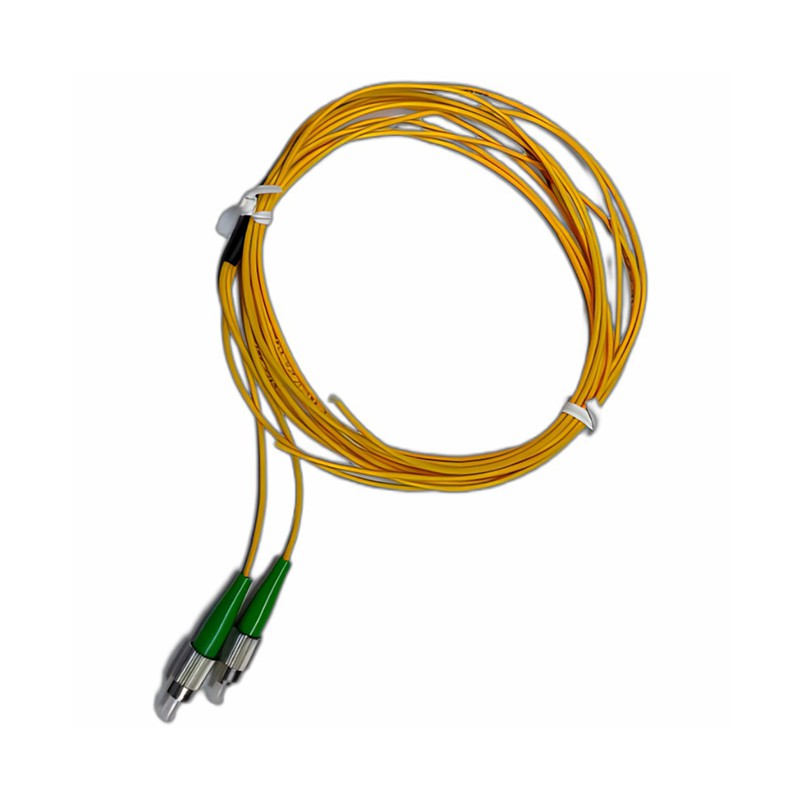
Fiber optic jumpers are short lengths of fiber optic cable with connectors at both ends. They are used to connect various network devices such as switches, routers, servers, and patch panels. These jumpers come in different types, including single - mode and multi - mode, each with distinct characteristics that affect their transmission capabilities.
Factors Affecting Transmission Distance
-
Fiber Type
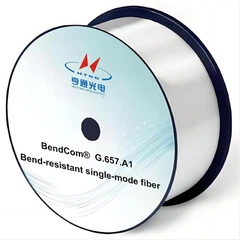
- Single - mode Fiber (SMF): Single - mode fiber has a very small core diameter (usually around 9 microns). It allows light to travel in a single path, which significantly reduces signal dispersion. As a result, single - mode fiber can support much longer transmission distances compared to multi - mode fiber.
- Multi - mode Fiber (MMF): Multi - mode fiber has a larger core diameter (commonly 50 or 62.5 microns). It enables light to travel in multiple paths, or modes. However, this leads to modal dispersion, where different modes of light arrive at the destination at different times, limiting the transmission distance.
-
Wavelength of Light
- Different wavelengths of light have different attenuation rates in fiber optic cables. For single - mode fiber, the most common wavelengths are 1310 nm and 1550 nm. The 1550 nm wavelength has lower attenuation, allowing for longer transmission distances. In multi - mode fiber, the typical wavelengths are 850 nm and 1300 nm.
-
Connector Loss
- The connectors at the ends of fiber optic jumpers introduce some signal loss. High - quality connectors with low insertion loss are crucial for achieving longer transmission distances. The quality of the connector polish, alignment, and the type of connector (e.g., FC, SC, LC) can all impact the overall loss.
-
Transmitter and Receiver Power
- The power of the optical transmitter and the sensitivity of the optical receiver are important factors. A more powerful transmitter can send a stronger signal, which can travel further before it degrades to an unacceptable level. Similarly, a more sensitive receiver can detect weaker signals, extending the effective transmission distance.
Typical Maximum Transmission Distances
-
Single - mode Fiber Jumpers
- For single - mode fiber jumpers operating at a wavelength of 1310 nm, the maximum transmission distance can typically reach up to 10 - 20 kilometers, depending on the quality of the fiber, connectors, and the system components.
- When using the 1550 nm wavelength, single - mode fiber jumpers can achieve even longer distances, often up to 40 - 120 kilometers or more. These long - distance capabilities make single - mode fiber ideal for applications such as long - haul telecommunications, backbone networks, and data center inter - connections.
- For example, in a high - speed data center network where long - distance connections between buildings or across large campuses are required, single - mode fiber jumpers are the preferred choice.
-
Multi - mode Fiber Jumpers
- Multi - mode fiber jumpers operating at 850 nm typically have a maximum transmission distance of around 220 - 550 meters, depending on the type of multi - mode fiber (OM1, OM2, OM3, OM4, or OM5).
- At the 1300 nm wavelength, the maximum distance can be slightly longer, up to around 1 - 2 kilometers. Multi - mode fiber is commonly used in local area networks (LANs), data center intra - rack connections, and short - distance communication within buildings.
Our Product Offerings
As a fiber optic jumper supplier, we offer a wide range of high - quality fiber optic jumpers to meet different application requirements. Our product portfolio includes FC To FC Fiber Optic Jumper, which is suitable for applications where stable and reliable connections are needed. The FC connectors provide a secure and precise connection, minimizing signal loss.
We also offer FC Duplex Pigtail and SC Duplex Pigtail. These pigtails are useful for terminating fiber optic cables and connecting them to other devices. They are designed with high - quality materials and precision manufacturing processes to ensure low insertion loss and high return loss.
How to Optimize Transmission Distance
- Choose the Right Fiber Type
- Based on your application requirements, select either single - mode or multi - mode fiber. If you need long - distance transmission, single - mode fiber is the obvious choice. For short - distance, high - density applications, multi - mode fiber may be more cost - effective.
- Use High - Quality Components
- Invest in high - quality fiber optic cables, connectors, transmitters, and receivers. Low - quality components can introduce significant signal loss and limit the transmission distance.
- Proper Installation and Maintenance
- Ensure that the fiber optic jumpers are installed correctly, with proper cable management to avoid bending or kinking. Regular maintenance, such as cleaning the connectors, can also help maintain optimal performance.
Conclusion
The maximum transmission distance of fiber optic jumpers is determined by a combination of factors, including fiber type, wavelength, connector loss, and transmitter/receiver power. By understanding these factors and choosing the right products, you can achieve the desired transmission distances for your specific applications.
If you are in the market for high - quality fiber optic jumpers or have any questions regarding transmission distances and application suitability, feel free to reach out to us. We are here to provide you with expert advice and top - notch products to meet your communication needs.

References
- "Fiber Optic Communication Systems" by Govind P. Agrawal.
- Industry standards and specifications from organizations such as the Telecommunications Industry Association (TIA) and the International Electrotechnical Commission (IEC).