

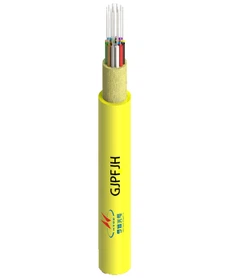


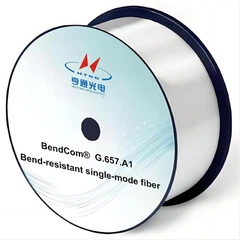
Fiber optic cable assemblies are crucial components in modern communication networks, providing high - speed, reliable data transmission. As a supplier of fiber optic cable assemblies, I often get asked about the lifespan of these products. In this blog, I'll explore the factors that influence the lifespan of fiber optic cable assemblies and provide some insights into how long you can expect them to last.
Factors Affecting the Lifespan of Fiber Optic Cable Assemblies
1. Quality of Materials
The quality of materials used in the manufacturing of fiber optic cable assemblies has a significant impact on their lifespan. High - grade optical fibers are more resistant to attenuation and damage. For example, single - mode fibers made from pure silica glass have excellent transmission properties and can maintain signal integrity over long distances. Similarly, the connectors used in the assemblies should be of high quality. A well - made connector, such as those with precision - polished ferrules, will ensure a good connection and reduce signal loss.
2. Installation Conditions
Proper installation is key to maximizing the lifespan of fiber optic cable assemblies. During installation, the cables should be handled carefully to avoid bending them beyond their minimum bend radius. Excessive bending can cause micro - cracks in the optical fibers, leading to increased signal loss and eventually failure. Additionally, the cables should be installed in a clean environment to prevent dust and debris from entering the connectors. If the installation area is prone to vibrations, proper cable management and support should be provided to prevent the cables from being damaged over time.
3. Environmental Factors
Environmental conditions play a major role in determining the lifespan of fiber optic cable assemblies. Extreme temperatures can cause the materials in the cables to expand or contract, which may lead to mechanical stress on the optical fibers. High humidity can also cause corrosion of the connectors and damage to the cable jackets. In outdoor applications, exposure to sunlight, rain, and wind can accelerate the aging process of the cables. Therefore, it is important to choose cable assemblies that are designed to withstand the specific environmental conditions of the installation site.
4. Usage Patterns
The way fiber optic cable assemblies are used also affects their lifespan. If the cables are constantly being moved, bent, or connected and disconnected, they are more likely to experience wear and tear. For example, in a data center where cables are frequently re - configured, the connectors may become loose or damaged over time. On the other hand, in a static installation where the cables are not disturbed, they are likely to have a longer lifespan.
Typical Lifespan Estimates
Under normal operating conditions, a well - installed and maintained fiber optic cable assembly can last anywhere from 15 to 25 years. However, this is just a general estimate, and the actual lifespan can vary depending on the factors mentioned above.
In a controlled indoor environment, such as an office building or a data center, where the temperature and humidity are regulated and the cables are not subject to excessive mechanical stress, the lifespan of fiber optic cable assemblies can be closer to the upper end of the range. For example, a Multi - Fiber SC To SC Cable Assembly installed in a data center with proper cable management and environmental controls can last up to 25 years.
In outdoor applications, such as in telecommunications networks or utility installations, the lifespan may be shorter due to the harsher environmental conditions. However, with the use of ruggedized cable assemblies that are designed for outdoor use, the lifespan can still be 15 years or more. For instance, a Pre - Connectorized Drop Cable installed in an outdoor utility pole can provide reliable service for 15 - 20 years if it is properly installed and maintained.
Extending the Lifespan of Fiber Optic Cable Assemblies
1. Regular Maintenance
Regular maintenance is essential for extending the lifespan of fiber optic cable assemblies. This includes cleaning the connectors periodically to remove dust and debris, inspecting the cables for signs of damage, and tightening any loose connectors. By performing these maintenance tasks, you can identify and address potential issues before they become major problems.
2. Upgrading and Replacement
As technology advances, it may be necessary to upgrade or replace fiber optic cable assemblies to meet the increasing demands of your network. For example, if you are experiencing slow data transfer speeds or frequent signal losses, it may be time to replace your old cable assemblies with newer, higher - performance models. Consider upgrading to a SC to SC Duplex Fiber Optic Jumper Cable if you need a more reliable and high - speed connection.


Conclusion
In conclusion, the lifespan of fiber optic cable assemblies is influenced by a variety of factors, including the quality of materials, installation conditions, environmental factors, and usage patterns. By choosing high - quality cable assemblies, installing them properly, and maintaining them regularly, you can ensure that they provide reliable service for many years.
If you are in the market for fiber optic cable assemblies, we are here to help. Our company offers a wide range of high - quality cable assemblies that are designed to meet the needs of various applications. Whether you need a multi - fiber cable for a large - scale data center or a single - mode cable for a telecommunications network, we have the right solution for you. Contact us today to discuss your requirements and start the procurement process. We look forward to partnering with you to build a reliable and high - performance communication network.
References
- "Fiber Optic Technology: Principles and Applications" by Prem Kumar and Ibrahim Elmanouni
- "Handbook of Fiber Optic Data Communication" by Charles A. Kulp
- Industry standards and guidelines from organizations such as the Telecommunications Industry Association (TIA) and the International Electrotechnical Commission (IEC)