



Hey there! As an indoor FTTx fiber optic cable supplier, I often get asked about the differences between indoor FTTx fiber optic cables and power cables. It's a topic that might seem a bit technical at first, but I'm gonna break it down for you in a way that's easy to understand.
Let's start with the basics. What are these cables for? Power cables, well, they're all about carrying electrical power. You've got them running through your walls to power up your lights, your TV, your fridge - basically, anything that needs electricity to work. On the other hand, indoor FTTx fiber optic cables are all about data transmission. They're the ones that let you stream your favorite shows, play online games, and video - chat with your friends across the globe.
Physical Structure
First off, let's talk about how they look and are built. Power cables are usually made up of conductive metal wires, like copper. These wires are insulated with materials such as PVC (polyvinyl chloride) to prevent electrical leakage and short - circuits. The insulation also protects people from getting electrocuted. The size of power cables can vary a lot depending on how much power they need to carry. Bigger appliances or systems that require more power will need thicker power cables.
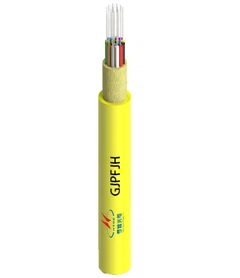
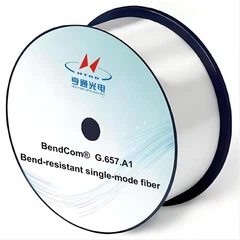
In contrast, indoor FTTx fiber optic cables are made of thin strands of glass or plastic, called optical fibers. These fibers are incredibly thin, about the thickness of a human hair. They're surrounded by a cladding material that helps keep the light signals inside the fiber. And then there's usually an outer jacket for protection. The jacket can be made of different materials, depending on where the cable will be used. For example, if it's going to be in a harsh indoor environment, it might have a more durable jacket.
We offer a variety of indoor FTTx fiber optic cables. For instance, the Simplex Round Indoor Cable is great for single - channel data transmission. It's simple and easy to install, making it a popular choice for small - scale indoor applications. The Round Duplex Optical Cable has two fibers, which allows for simultaneous two - way data transmission. This is super useful for applications where you need to send and receive data at the same time, like in a home network for multiple devices. And the Micro Double Jacket Cable is designed for tight spaces. Its double - jacket design provides extra protection while still being small enough to fit into narrow areas.
Transmission Medium
The way they transmit stuff is another big difference. Power cables transmit electrical energy in the form of an electric current. The current flows through the metal wires, and the amount of power is measured in watts. The voltage and current levels need to be carefully controlled to ensure the safe and efficient operation of the electrical devices connected to the power cable.
Fiber optic cables, however, transmit data in the form of light signals. These light signals are sent through the optical fibers using lasers or LEDs. The data is encoded into the light, and then it travels through the fiber at incredibly high speeds. Since light travels so fast, fiber optic cables can transmit large amounts of data over long distances in a very short time. This is why they're so popular for high - speed internet connections and other data - intensive applications.
Performance
When it comes to performance, power cables and fiber optic cables have different strengths and weaknesses. Power cables are designed to handle high - power loads, but they have limitations in terms of distance. The longer the power cable, the more resistance there is, which can lead to power loss in the form of heat. This means that for long - distance power transmission, you need to use thicker cables or boost the voltage, which can be expensive and complex.
Fiber optic cables, on the other hand, have very low signal loss over long distances. They can transmit data for miles without significant degradation of the signal. This makes them ideal for large - scale indoor networks, like in office buildings or data centers. Also, fiber optic cables are immune to electromagnetic interference (EMI). Electrical devices, motors, and even the power cables themselves can generate electromagnetic fields that can interfere with the signal in other cables. But since fiber optic cables use light instead of electricity, they're not affected by EMI.
Safety
Safety is a major concern for both types of cables. Power cables carry electricity, which can be extremely dangerous. If a power cable is damaged or not installed correctly, it can cause electrical shocks, fires, or short - circuits. That's why it's crucial to follow strict electrical codes and safety regulations when installing and using power cables.
Fiber optic cables are generally safer in terms of electrical hazards. Since they use light signals, there's no risk of electrical shock. However, the glass or plastic fibers in fiber optic cables can be sharp and break easily. If you accidentally get a fiber splinter in your skin, it can be painful and difficult to remove. Also, the light signals in fiber optic cables can be very intense, and looking directly into a live fiber can damage your eyes. So, proper handling and safety precautions are still necessary when working with fiber optic cables.
Cost
Cost is always a factor when choosing between different types of cables. Power cables are usually less expensive to manufacture, especially for smaller - scale applications. The materials used, like copper, are relatively cheap, and the manufacturing process is well - established. However, for large - scale power transmission projects, the cost can add up quickly due to the need for thicker cables and additional infrastructure.
Fiber optic cables can be more expensive upfront. The manufacturing process of optical fibers is more complex, and the equipment needed to install and terminate fiber optic cables is also more specialized. But when you consider the long - term benefits, like high - speed data transmission, low signal loss, and immunity to EMI, the cost can be justified, especially for applications that require high - performance data networks.


Installation
Installing power cables and fiber optic cables also has its differences. Power cable installation requires a good understanding of electrical systems. You need to make sure the cables are properly grounded, the connections are tight, and the circuit breakers are correctly sized. It's usually best to have a licensed electrician handle power cable installation to ensure safety and compliance with electrical codes.
Fiber optic cable installation requires a different set of skills. You need to be careful not to bend the fibers too much, as this can cause signal loss. Special tools are needed for cutting, splicing, and terminating the fibers. There are also specific techniques for testing the fiber optic cables to make sure they're working properly.
So, if you're in the market for indoor FTTx fiber optic cables, whether it's for a new home network, an office upgrade, or a data center expansion, we've got you covered. Our cables are high - quality, reliable, and designed to meet your specific needs. If you have any questions or are interested in purchasing our products, feel free to reach out. We'd be more than happy to discuss your requirements and help you find the right solution for your project.
References
- "Electrical Wiring Handbook" by Tom Henry
- "Fiber Optic Communications" by Gerd Keiser
- Industry standards and guidelines for power cables and fiber optic cables