



In the fast - evolving world of telecommunications, Fiber to the Antenna (FTTA) cables play a crucial role in ensuring high - speed, reliable data transmission between base stations and antennas. As a well - established FTTA cable supplier, I am excited to share with you the key steps in the production process of FTTA cables.
1. Raw Material Sourcing
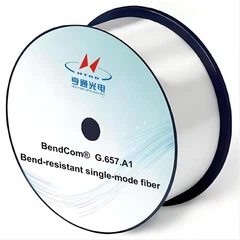
The first and most fundamental step in the production of FTTA cables is the sourcing of high - quality raw materials. The core of an FTTA cable is the optical fiber, which is responsible for carrying the light signals. We carefully select optical fibers from reputable manufacturers that offer excellent attenuation characteristics, bandwidth, and mechanical strength. These fibers are typically made of silica glass, which has low optical loss and can transmit data over long distances.
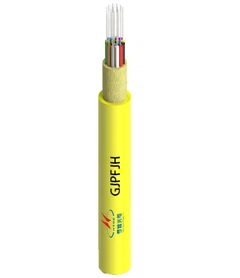
In addition to the optical fiber, other important raw materials include the cable jacket, buffer tubes, strength members, and fillers. The cable jacket provides protection against environmental factors such as moisture, UV radiation, and mechanical damage. We choose materials like polyethylene (PE) or polyvinyl chloride (PVC) for their durability and flexibility. Buffer tubes are used to protect the optical fibers from external forces and are usually made of materials like polybutylene terephthalate (PBT). Strength members, such as aramid yarns or steel wires, are added to enhance the tensile strength of the cable, allowing it to withstand pulling and bending forces during installation. Fillers are used to fill the gaps inside the cable, providing additional protection and stability.
2. Optical Fiber Preparation
Once the raw materials are sourced, the optical fibers need to be prepared for the cable manufacturing process. This involves several sub - steps. First, the optical fibers are inspected for any defects or damage. We use advanced optical inspection equipment to check the fiber's diameter, concentricity, and attenuation. Only fibers that meet our strict quality standards are used in the production of FTTA cables.


Next, the optical fibers are coated with a primary and secondary coating. The primary coating is a soft, low - modulus material that provides protection against micro - bending losses. The secondary coating is a harder material that provides additional mechanical protection. The coating process is carefully controlled to ensure uniform thickness and adhesion.
3. Cable Assembly
After the optical fibers are prepared, the cable assembly process begins. This is a complex process that involves several stages.
Buffer Tube Extrusion
The first stage of cable assembly is the extrusion of buffer tubes around the optical fibers. The PBT material is melted and extruded around the fibers using a specialized extrusion machine. The buffer tubes are sized to fit the number of optical fibers they will contain, and they provide a protective layer for the fibers. During the extrusion process, the temperature, pressure, and speed are carefully controlled to ensure the quality of the buffer tubes.
Strength Member Placement
Once the buffer tubes are extruded, strength members are placed around the buffer tubes. The aramid yarns or steel wires are carefully arranged to provide uniform tensile strength throughout the cable. The strength members are typically wound around the buffer tubes in a helical pattern to prevent kinking and ensure flexibility.
Filling and Bedding
After the strength members are placed, fillers are added to the cable to fill the gaps between the buffer tubes and strength members. The fillers are usually made of a gel or a dry powder material that provides additional protection against moisture and mechanical damage. A bedding layer is then applied over the fillers to hold them in place and provide a smooth surface for the cable jacket.
Cable Jacketing
The final stage of cable assembly is the application of the cable jacket. The PE or PVC material is melted and extruded around the cable core using an extrusion machine. The jacket provides the outermost layer of protection for the cable, protecting it from environmental factors and mechanical damage. The thickness and properties of the jacket are carefully controlled to meet the specific requirements of the application.
4. Quality Control
Quality control is an essential part of the FTTA cable production process. At every stage of production, we conduct rigorous quality checks to ensure that the cables meet our high - quality standards.
Optical Testing
Optical testing is performed on the finished cables to measure their optical performance. We use optical time - domain reflectometers (OTDRs) to measure the attenuation, length, and splice loss of the optical fibers. We also test the bandwidth and dispersion characteristics of the cables to ensure that they can transmit data at high speeds over long distances.
Mechanical Testing
Mechanical testing is also conducted to ensure the physical integrity of the cables. We perform tests such as tensile strength testing, bending testing, and impact testing to ensure that the cables can withstand the stresses and strains of installation and use.
Environmental Testing
Environmental testing is carried out to evaluate the performance of the cables under different environmental conditions. We test the cables for resistance to moisture, temperature, and UV radiation. This ensures that the cables can perform reliably in a variety of outdoor and indoor environments.
5. Packaging and Shipping
Once the cables pass all the quality control tests, they are ready for packaging and shipping. We use high - quality packaging materials to protect the cables during transportation. The cables are typically wound on reels and placed in protective boxes or crates. We also provide detailed product documentation, including technical specifications, test reports, and installation instructions, with each shipment.
When it comes to specific types of FTTA cables, we offer a wide range of products to meet different customer needs. For example, our Remote Radio Unit RRU Optical Fiber Cable is designed specifically for use with remote radio units, providing high - speed data transmission and reliable performance. Our Armored Fiber Optic Cable is suitable for applications where additional protection against mechanical damage is required.
If you are in the market for high - quality FTTA cables, we invite you to contact us for procurement and further discussion. Our team of experts is ready to assist you in selecting the right cables for your specific requirements and providing you with the best possible service.
References
- "Fiber Optic Cable Design and Manufacture" by John W. Bandler
- "Telecommunication Cabling Installation and Maintenance" by Andrew S. Tanenbaum