



Hey there! As a supplier of photoelectric composite cables, I often get asked about the electromagnetic compatibility (EMC) requirements for these cables. So, I thought I'd write a blog post to share some insights on this topic.
First off, let's understand what electromagnetic compatibility is. EMC refers to the ability of an electrical or electronic device or system to function properly in its electromagnetic environment without causing or suffering unacceptable electromagnetic interference (EMI). In the context of photoelectric composite cables, EMC is crucial because these cables combine both optical fibers and electrical conductors in a single structure. This combination can lead to potential electromagnetic issues if not properly managed.
One of the primary EMC requirements for photoelectric composite cables is to minimize electromagnetic interference. The electrical conductors in the cable can act as antennas, radiating electromagnetic energy and potentially interfering with other nearby electronic devices. To address this, the cables need to be designed with proper shielding.
Shielding materials play a vital role in reducing EMI. For example, Aluminum Tape Fiber Optic Cable uses aluminum tape as a shielding layer. Aluminum is a good conductor of electricity, and it can effectively block and redirect electromagnetic fields. By wrapping the electrical conductors with aluminum tape, we can prevent the leakage of electromagnetic energy from the cable.
Another important aspect is the grounding of the shielding. A proper grounding system ensures that any induced electrical charges on the shielding are safely dissipated to the ground. This helps in maintaining a stable electromagnetic environment around the cable and reduces the risk of EMI.
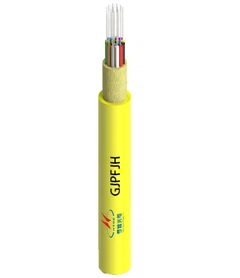
In addition to shielding, the layout and design of the cable also impact its EMC performance. The optical fibers and electrical conductors should be arranged in a way that minimizes the coupling between them. Coupling can occur when the electromagnetic fields from the electrical conductors interact with the optical fibers, potentially causing signal degradation. Our Composite Hybrid Fiber Optic Cable is designed with a specific layout to reduce such coupling. The optical fibers are usually separated from the electrical conductors by insulation layers, and the conductors are twisted together in a way that cancels out the magnetic fields.
There are also international standards and regulations that photoelectric composite cables need to comply with regarding EMC. For instance, the International Electrotechnical Commission (IEC) has set out a series of standards for electromagnetic compatibility. These standards define the limits of electromagnetic emissions and immunity levels for different types of electrical and electronic equipment, including cables. Our cables are tested rigorously to ensure they meet these standards.
When it comes to installation, proper installation practices are essential for maintaining good EMC. The cable should be installed away from sources of strong electromagnetic fields, such as high - voltage power lines or large electrical motors. Also, the cable should be installed in a way that it is not bent or damaged, as this can affect the integrity of the shielding and increase the risk of EMI.
Now, let's talk about how these EMC requirements translate into real - world benefits. For our customers, cables with good EMC performance mean more reliable data transmission. In applications like data centers, where large amounts of data are transferred between servers and storage devices, any electromagnetic interference can lead to data errors and system failures. By using our photoelectric composite cables with proper EMC features, customers can ensure smooth and uninterrupted operation of their systems.
In industrial settings, where there are many electrical and electronic devices operating in close proximity, EMC - compliant cables are crucial. They prevent interference between different devices, which can improve the overall efficiency and productivity of the industrial processes.
Moreover, in telecommunications, where high - speed data transfer is essential, cables with good EMC characteristics can support high - bandwidth applications without signal degradation. This is especially important as the demand for faster and more reliable communication networks continues to grow.
If you're in the market for photoelectric composite cables and are concerned about EMC requirements, we've got you covered. Our cables are designed and manufactured with the highest standards of electromagnetic compatibility in mind. We use the latest technologies and materials to ensure that our cables not only meet but often exceed the industry standards.
Whether you're a small business looking to upgrade your network infrastructure or a large corporation in need of high - performance cables for your industrial operations, our photoelectric composite cables are a great choice. We can provide you with customized solutions based on your specific requirements.


If you're interested in learning more about our products or have any questions regarding the EMC requirements of photoelectric composite cables, don't hesitate to reach out. We're here to help you make the right choice for your needs. Contact us for more information and let's start a conversation about how our cables can benefit your business.
References
- International Electrotechnical Commission (IEC) standards on electromagnetic compatibility
- Industry research reports on the performance and requirements of photoelectric composite cables